Burundians flee Kenya as 2026 crackdown on unregistered foreign traders hits Nairobi
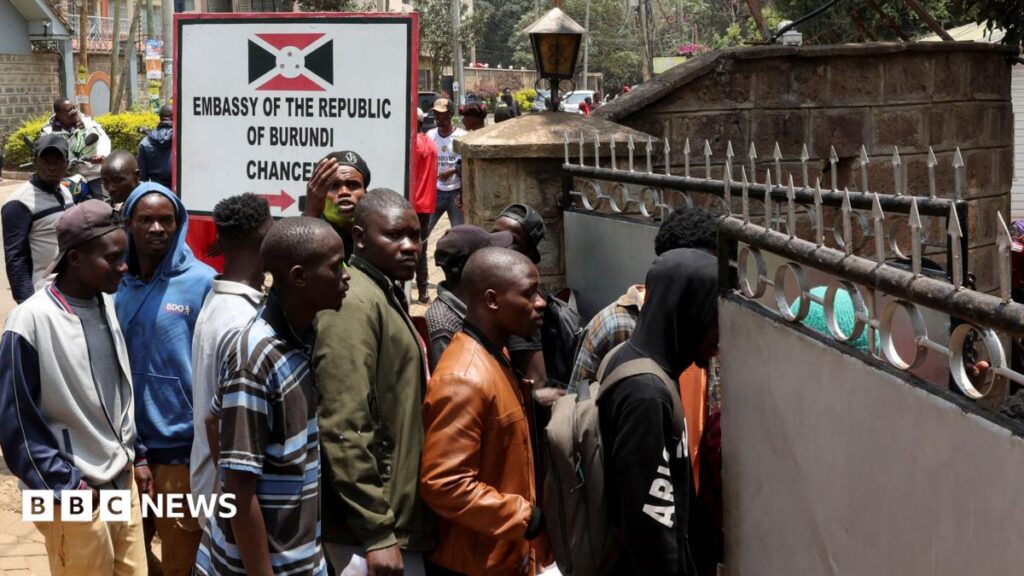
Background: a long‑standing informal cross‑border economy
For more than a decade, Kenya’s bustling markets have hosted a sizeable community of foreign‑origin traders, many of whom come from neighbouring Burundi. These merchants typically operate small stalls selling textiles, electronics, and foodstuffs without formal business licences, relying on the informal nature of the East African trade corridor that stretches from the coast to the Great Lakes.
The informal sector accounts for roughly 30 % of Kenya’s total employment, according to the Kenya National Bureau of Statistics. While the sector fuels livelihoods for thousands of migrants, it has also drawn criticism from local shop owners who claim that unregistered foreign traders undercut prices and evade taxes, creating a perception of unfair competition.
The new enforcement rules and their rollout
In March 2026, the Kenyan Ministry of Labour announced a set of amendments to the Foreigners Act that will require any non‑Kenyan operating a retail or service outlet to obtain a work permit and a trade licence within 30 days of the law’s enforcement date, slated for 1 October 2026. The government says the move is designed to protect Kenyan jobs and broaden the tax base.
Enforcement will be carried out by the Department of Immigration in partnership with county trade officers. Inspectors are instructed to issue “show‑cause” notices to unregistered stalls, followed by fines of up to KES 50,000 (about US$400) and possible closure if compliance is not achieved. The policy has been described by officials as “a necessary step toward formalising the economy” in a statement released by the ministry.
Immediate impact on Burundian traders
Within days of the announcement, market supervisors in Nairobi’s Eastleigh and Gikomba areas reported a surge of Burundian stall owners packing up their goods and heading for the border. Community leaders say roughly 2,000 Burundians—many of them recent arrivals fleeing political unrest at home—have begun the exodus, fearing loss of income and possible detention.
The sudden departure is already rippling through the supply chain. Vendors who relied on Burundian wholesalers for low‑cost fabrics now face higher prices, while customers who valued the affordability of street‑level goods are seeing fewer options. Some traders have turned to informal networks in Tanzania and Uganda, hoping to relocate their businesses to markets with looser regulatory environments.
Regional economic and social implications
Kenya’s crackdown arrives at a moment when the East African Community (EAC) is pushing for deeper integration, including a common market for goods and services. Critics argue that the new rule undermines the spirit of free movement enshrined in the EAC treaty, potentially prompting diplomatic friction with Burundi, which has already expressed concern over the treatment of its nationals.
Beyond politics, the policy could affect remittance flows that sustain many Burundian households. The World Bank estimates that remittances from Kenyan cities account for about 12 % of Burundi’s total foreign‑currency income. If displaced traders return home or move to less regulated economies, the volume of money sent back could shrink, tightening household budgets in rural Burundi.
What’s next: possible adjustments and alternatives
Legal experts warn that Kenya may face challenges in court if the enforcement is deemed to violate regional trade agreements. A petition filed by the East African Migrant Workers Union is expected to be heard by the High Court later this month, seeking a temporary suspension of the licence requirement for traders who can demonstrate a lack of viable alternatives.
Meanwhile, NGOs operating in Nairobi’s informal settlements are stepping in to provide short‑term assistance. According to a report by the Kenya Red Cross, emergency food parcels and cash vouchers have been distributed to 500 Burundian families affected by the crackdown. Long‑term solutions being discussed include a fast‑track licensing scheme for low‑capital traders and bilateral talks between Kenya and Burundi to create a “trusted trader” list that would ease movement while preserving regulatory oversight.
Quick Answers
What does Kenya’s 2026 rule require of foreign traders?
The rule mandates that any non‑Kenyan running a retail or service stall must obtain a work permit and a trade licence within 30 days of the enforcement date, or face fines and possible closure.
How many Burundian traders are leaving Kenya because of the crackdown?
Community leaders estimate that about 2,000 Burundian stall owners have begun leaving Nairobi’s markets since the policy was announced.
What alternatives are available for displaced Burundian traders?
Some are seeking to relocate to neighbouring Tanzania or Uganda, while NGOs are providing emergency food aid and cash vouchers, and legal groups are pursuing a court challenge to the licensing requirement.
Source: www.bbc.co.uk




💬 Comments 0