Caleb Mutfwang denies 60-40 cabinet sharing deal after PDP‑APC defection, Plateau State, 2026
Background: Plateau politics and Mutfwang’s rise
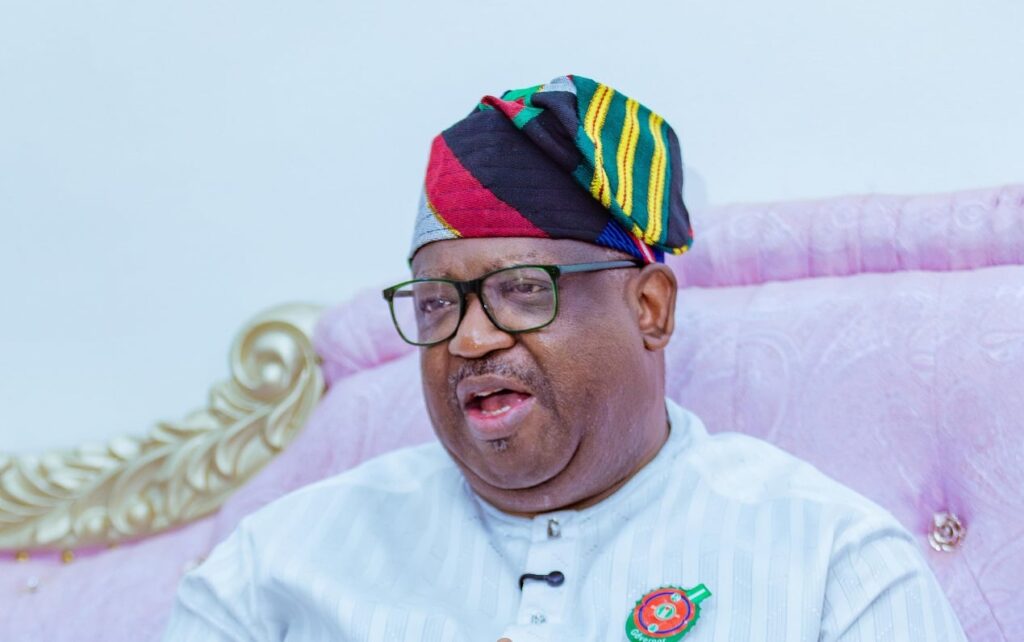
Caleb Mutfwang, a former civil servant turned politician, won the Plateau State governorship in March 2023 on the Peoples Democratic Party (PDP) ticket. His victory broke a decade‑long APC dominance in the north‑central state, raising expectations for a new development agenda focused on mining, tourism and inter‑ethnic peace.
Plateau’s political landscape is notoriously volatile, with frequent clashes between the Berom, Hausa‑Fulanis and other groups. Party loyalty often shifts along ethnic and religious lines, and defections have become a regular feature of the state’s power calculus. By late 2025, rumours of an impending mass exit from the PDP to the All Progressives Congress (APC) began circulating among party insiders.
The defection, when it finally happened in early 2026, was framed by the governor as a strategic move to secure federal support for Plateau’s stalled infrastructure projects. However, the timing coincided with the approach of the 2027 general elections, prompting analysts to wonder whether the switch was also a bid for political survival.
The alleged 60‑40 cabinet‑sharing formula
Soon after Mutfwang’s party change, a senior APC operative allegedly leaked a draft memorandum that outlined a “60‑40” power‑sharing arrangement: 60 % of key ministries would stay under the governor’s control, while the remaining 40 % would be allocated to APC loyalists as a condition for the party’s endorsement. The memo, never officially released, was said to be circulating on WhatsApp groups linked to the state’s political elite.
Critics argued that such a formula would institutionalise patronage, allowing the APC hierarchy to insert its own appointees into ministries like Finance, Education and Security without electoral legitimacy. They warned that this could erode the nascent reforms Mutfwang had promised during his campaign, especially the promised overhaul of the state’s mining contracts.
Mutfwang publicly rejected the claim in a televised interview, stating, “I didn’t sign any 60‑40 cabinet sharing deal with anyone.” He added that his administration would continue to select ministers on merit, not party quotas. The governor’s denial was echoed by his spokesperson, who called the leaked document “fabricated” and “politically motivated”.
Why the denial matters for governance and stability
If the alleged agreement were real, it would set a precedent for formalised power‑sharing deals that bypass constitutional norms. Nigerian governors already enjoy broad discretion in appointing ministers; a written pact that divides portfolios along party lines would deepen the perception that state institutions are extensions of party machinery rather than public service.
For Plateau, where inter‑communal tension often flares over perceived marginalisation, a cabinet split could fuel resentment among groups that feel excluded from the new APC‑aligned leadership. Civil society organisations have warned that any perception of partisan appointments could reignite protests, especially in Jos North, where previous election‑related clashes left dozens dead.
Economically, investors watch political stability closely. The state’s nascent mining sector, which attracted foreign interest in 2024, depends on a predictable regulatory environment. A contested cabinet could stall licensing processes, deter capital inflow and jeopardise the projected $1.2 billion revenue boost the governor touted in his 2025 State of the State address.
Ripple effects on the 2027 elections and regional politics
The controversy arrives at a critical juncture for the 2027 national elections. Plateau is a swing state with three electoral districts, and both the PDP and APC are courting its delegates. A clear-cut denial by Mutfwang may reassure APC national leaders that the governor remains a loyal ally, while the PDP can use the episode to argue that the APC is trying to co‑opt opposition governors through back‑room deals.
In the broader north‑central zone, similar defections have been reported in neighboring states such as Nasarawa and Benue. Political scientists note a pattern: governors who switch parties often negotiate informal understandings with the new party’s state chair to preserve their core ministries. The alleged 60‑40 formula, whether real or not, reflects this emerging bargaining culture.
Diaspora Nigerians, especially those investing in real estate and agribusiness in Plateau, are watching the saga closely. A stable, non‑partisan administration is viewed as essential for protecting property rights and ensuring the smooth operation of cross‑border trade with neighboring Cameroon, a sector that generated roughly $150 million in 2025 according to the Ministry of Trade.
Reactions from parties, civil society and what’s next
The PDP’s national chairman, Uche Nnaji, dismissed the governor’s denial as “political theatre”, insisting that the 60‑40 arrangement was a legitimate negotiation that the governor had backed under pressure from his own advisers. He called for an independent inquiry by the Independent National Electoral Commission (INEC) to verify any written agreements that might affect the upcoming elections.
APC state leaders, meanwhile, have remained largely silent, choosing to focus on their campaign narrative of “development over division”. A senior APC source told Premium Times that the party is “not interested in formal cabinet sharing; we trust Governor Mutfwang’s competence to run the state”. The source also hinted that the party may reward loyalty with future federal appointments rather than state‑level ministries.
Local NGOs, such as the Plateau Peace Initiative, have issued a joint statement urging all political actors to prioritize governance over partisan deals. They propose a transparent, citizen‑led monitoring committee to oversee ministerial appointments and recommend merit‑based criteria. The group’s proposal, if adopted, could become a model for other Nigerian states grappling with similar power‑sharing rumors.
Quick Answers
Did Governor Caleb Mutfwang sign a 60‑40 cabinet sharing agreement after leaving the PDP?
No. Governor Mutfwang publicly denied signing any such deal, calling the alleged document fabricated and politically motivated.
How could a cabinet‑sharing formula affect Plateau State’s development projects?
A partisan split of ministries could slow decision‑making, deter investors, and exacerbate ethnic tensions, jeopardising projects in mining, tourism and infrastructure.
What impact might the controversy have on the 2027 Nigerian elections?
The dispute highlights shifting party loyalties in a key swing state, prompting both the PDP and APC to vie for influence and possibly shaping voter perceptions of governance integrity.
Source: dailypost.ng


💬 Comments 0