Cargo ship fire kills 20 in eastern China, threatens global trade & African imports 2026
What happened on the Yangtze River
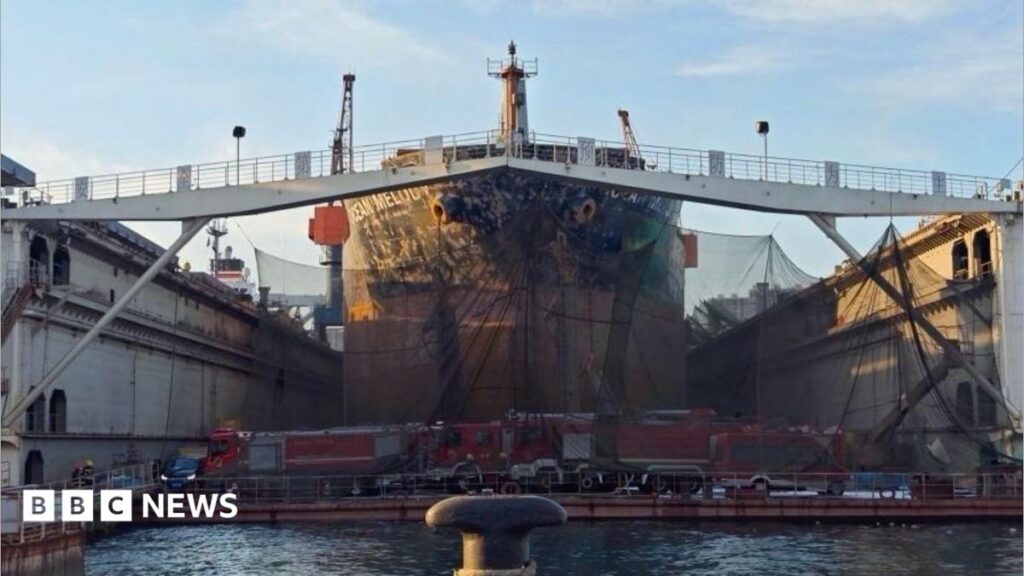
On September 9, 2026, a massive fire broke out aboard a Chinese cargo vessel carrying containers of mixed goods near the port of Shanghai. State media reported that the blaze engulfed the ship's engine room and spread quickly, trapping crew members inside. Emergency responders from the coast guard, local fire brigades and maritime rescue teams were dispatched within minutes, but the fire proved difficult to contain due to the ship's steel hull and the presence of hazardous cargo.
The official death toll rose to at least 20, with dozens more injured and many still missing, according to the Chinese Ministry of Transport. President Xi Jinping personally ordered an “urgent search and rescue operation” and demanded a thorough investigation into the cause of the fire. The vessel, identified as the MV Horizon Star, was en route from the port of Ningbo to the port of Busan, South Korea, when the incident occurred.
Why the incident matters beyond China
The fire is not just a domestic tragedy; it highlights vulnerabilities in the global shipping network that moves more than 80 percent of the world’s trade. A single vessel loss can ripple through supply chains that span continents, especially when the ship is part of a high‑frequency route linking East Asia with Europe and Africa. The cargo on board included electronics, steel coils, and a small consignment of automotive parts destined for several African markets.
Analysts note that the incident comes at a time when shipping lines are already strained by pandemic‑era capacity cuts, rising fuel costs, and stricter environmental regulations. Any disruption on one of the busiest corridors in the world can exacerbate container shortages, push freight rates higher and force importers in Africa to seek more expensive alternatives.
Impact on African trade and the Belt‑and‑Road
China’s Belt‑and‑Road Initiative (BRI) has made Chinese‑flagged vessels a backbone of freight traffic to African ports such as Mombasa, Lagos and Durban. The MV Horizon Star was scheduled to dock in Mombasa later in the week to unload construction steel for a Nairobi‑based infrastructure project. If the cargo is delayed or lost, the project could face a cost overrun of up to 15 percent, according to a source at the Kenyan Ministry of Transport.
Beyond a single project, the fire raises concerns for African importers of consumer electronics and automotive components that rely on just‑in‑time deliveries from Chinese factories. A slowdown in container availability could translate into longer lead times for retailers in Lagos or Accra, potentially inflating prices for end consumers. Small‑scale traders, who already operate on thin margins, may feel the squeeze most acutely.
Safety standards and regulatory scrutiny
The incident has reignited debate over maritime safety standards in China’s rapidly expanding commercial fleet. While the country has invested heavily in modernizing ports and shipbuilding, critics argue that rapid growth has outpaced enforcement of safety protocols, especially on older vessels retrofitted for larger cargo loads.
International bodies such as the International Maritime Organization (IMO) have called for transparent investigations and for China to share findings with global partners. If the fire is traced to faulty wiring or improper storage of hazardous materials, it could prompt a wave of inspections across fleets that operate on the same routes, including those owned by African shipping companies that lease Chinese‑built vessels.
What’s next for the rescue effort and the supply chain
Rescue teams are continuing to search for survivors and recover the ship’s black‑box data, which will help investigators determine the fire’s origin. President Xi’s directive includes a mandate for a “zero‑tolerance” policy on future maritime accidents, suggesting that the Chinese government may introduce stricter compliance checks in the coming months.
In the short term, logistics firms are already rerouting cargo through alternative ports such as Singapore and Hong Kong to keep the flow of goods moving. African importers are expected to diversify their shipping partners, with some turning to Mediterranean gateways like Rotterdam or Marseille as interim solutions. The episode underscores the need for African nations to develop more resilient maritime strategies, possibly by expanding regional hub capacities and negotiating longer‑term contracts with multiple carrier alliances.
Broader lessons for global trade resilience
The tragedy serves as a reminder that even the most robust supply chains are vulnerable to single‑point failures. Experts say that building redundancy—through diversified routes, multiple carrier options, and strategic stockpiles—will be essential for economies that depend heavily on imported goods.
For African policymakers, the incident may accelerate discussions around the African Continental Free Trade Area (AfCFTA) and the push for intra‑African logistics corridors. Reducing reliance on a single external hub could shield the continent from future disruptions, whether they stem from fires, geopolitical tensions, or climate‑related events.
Quick Answers
How many people died in the cargo ship fire in eastern China?
At least 20 crew members were confirmed dead, with several others injured or missing.
Will the fire affect shipments to Africa?
Yes, the vessel was carrying goods destined for African ports, and delays could raise costs and extend delivery times for imports.
What steps is China taking after the incident?
President Xi ordered an urgent rescue operation and a full safety investigation, with promises of stricter maritime regulations.
Source: www.bbc.co.uk




💬 Comments 0