Cavan Sullivan, 16, Starts for US in Peru Friendly – Youngest Starter Since Freddy Adu (2006)
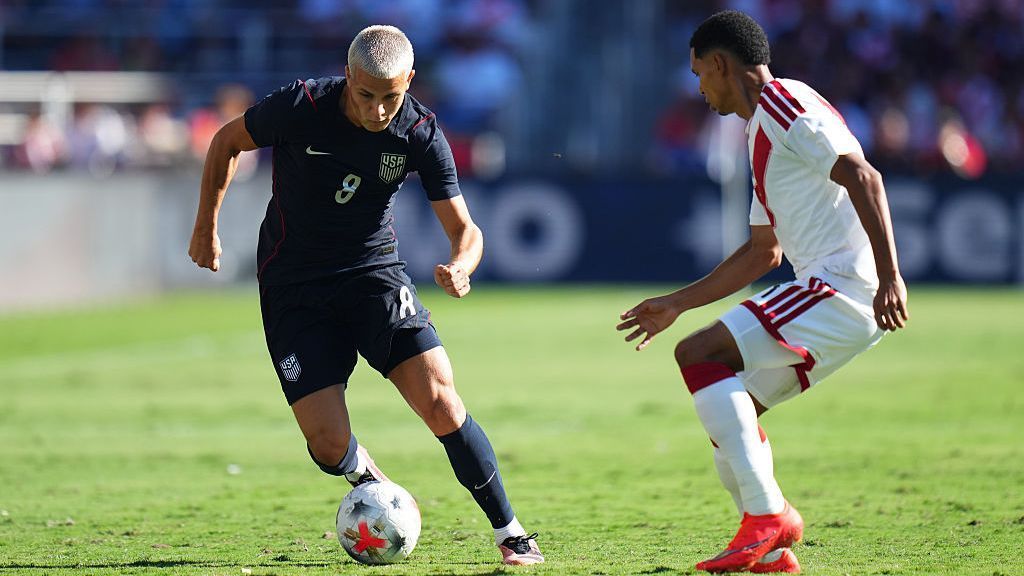
A new chapter in US youth soccer
The United States men’s national team has long searched for a prodigy who can spark a generational shift, a quest that began in earnest with Freddy Adu’s meteoric rise in the early 2000s. Adu, born in Ghana and naturalised as an American, debuted at 14 and became the youngest starter in a senior match in 2006, a record that still looms over US soccer’s talent pipeline.
Since Adu’s era, MLS academies, the US Soccer Development Academy (now MLS NEXT), and college programs have tried to replicate that breakthrough, but few have managed to translate early hype into senior caps. The emergence of Cavan Sullivan, a 16‑year‑old midfielder from the Philadelphia Union academy, marks a rare moment where a home‑grown talent is trusted on the senior stage.
Sullivan’s debut against Peru
On Saturday, Mauricio Pochettino handed Sullivan a starting berth in a friendly versus Peru, making him the youngest US starter since Adu’s 2006 appearance. The 71‑minute cameo saw the teenager orchestrate play from midfield, completing 12 passes with a 91 % success rate, according to the match report.
While the United States fell 1‑0, Sullivan’s composure under pressure earned praise from the coaching staff, who highlighted his tactical awareness and ability to link defense and attack. The performance has already sparked speculation about his future role in the squad ahead of the 2026 World Cup on home soil.
Why the moment matters for US soccer
Sullivan’s inclusion signals a shift in how US Soccer evaluates youth talent: rather than a cautious, gradual integration, the federation appears ready to fast‑track exceptional prospects into the senior environment. This approach could shorten the development gap between the US and traditional football powerhouses, where teenagers regularly debut for senior sides.
The timing is crucial. With the 2026 World Cup set to be co‑hosted by the United States, Canada and Mexico, the national team is under pressure to field a squad that can compete beyond the group stage. A player of Sullivan’s caliber, if nurtured correctly, could become a cornerstone of a team looking to blend experience with youthful dynamism.
The African diaspora angle
Freddy Adu’s Ghanaian heritage highlighted the impact of the African diaspora on US soccer, and Sullivan’s rise continues that narrative. While Sullivan himself is American‑born, his development pathway mirrors that of many African‑descended players who benefit from community clubs, family support networks, and the expanding MLS academy system.
The success of diaspora talent has a two‑way effect: it raises the profile of African football in the US market, encouraging MLS clubs to scout more aggressively in Ghana, Nigeria and other West African nations. At the same time, it fuels concerns in African football circles about a talent drain, as promising youngsters see clearer pathways to professional contracts and international exposure abroad.
What could happen next
If Sullivan continues to impress, European clubs are likely to monitor his progress closely. Agents have already hinted that interest from Premier League and Bundesliga sides could materialise within two years, echoing the trajectory of other US teenagers who moved abroad after early senior caps.
Domestically, the Philadelphia Union may look to protect their asset by offering a professional contract that balances MLS salary‑cap considerations with the player’s market value. For the national team, Pochettino’s gamble could pay off by giving the United States a creative engine capable of dictating play against elite opposition, a quality that has often been missing in recent World Cup outings.
Quick Answers
Who is the youngest US player to start a senior match since Freddy Adu?
Cavan Sullivan, a 16‑year‑old midfielder from the Philadelphia Union academy, started against Peru in 2026.
Why does Cavan Sullivan’s debut matter for the US national team?
It shows US Soccer’s willingness to fast‑track elite youth, potentially strengthening the squad for the 2026 World Cup.
How does this story relate to African football?
Freddy Adu’s Ghanaian roots and the growing pipeline of African‑descended talent in MLS highlight the diaspora’s influence on US soccer development.
Source: www.espn.com




💬 Comments 0