Champions League Power Rankings 2026 Matchday 3: Manchester City Top, African Stars Shine
Why Power Rankings Matter Ahead of Matchday 3
Power rankings are more than a brag‑sheet for pundits; they shape narratives, influence betting odds, and affect how clubs approach the next few weeks. As the Champions League moves into its third matchday, the latest ranking reflects six weeks of form, injuries, and tactical tweaks that could dictate which teams are viewed as genuine title contenders. For fans and analysts alike, the list acts as a barometer for momentum, highlighting who has capitalised on the early fixtures and who may be under‑performing relative to expectations.
Beyond the glamour, these rankings feed into commercial decisions. Broadcasters, sponsors, and even merchandise partners monitor shifts in a club’s standing to allocate resources and marketing spend. A rise in the rankings can trigger a surge in kit sales, while a drop may prompt clubs to launch promotional campaigns to re‑engage supporters. In short, the numbers on the table have real‑world financial repercussions that extend far beyond the pitch.
The Current Landscape: Top Contenders and Their Form
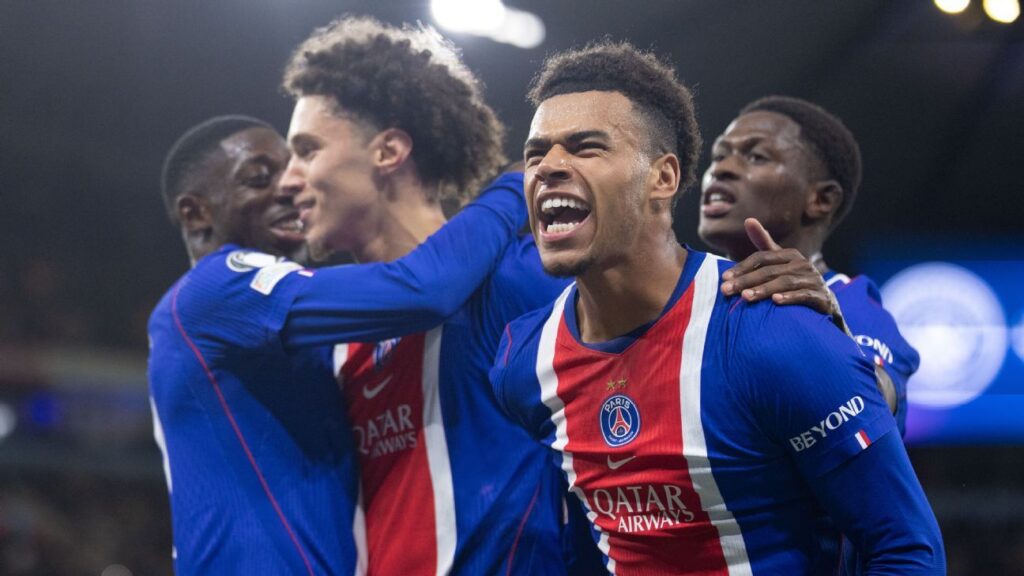
Manchester City sits comfortably at the summit, having secured two convincing wins that showcased Pep Guardiola’s fluid attacking patterns and depth across the squad. Close behind are Real Madrid and Bayern Munich, both of which displayed resilience after early setbacks and now sit on six points each. The rankings also give a nod to Paris Saint‑Germain, whose star‑studded line‑up has finally found consistency after a sluggish start.
Mid‑table clubs such as Atletico Madrid and Inter Milan are battling for a top‑four finish that guarantees a direct route to the knockout phase. Their rankings have risen thanks to disciplined defensive displays and a few key goal contributions from emerging talents. Meanwhile, clubs like Liverpool and AC Milan have slipped slightly, reflecting injury concerns and a lack of clinical finishing in the opening games.
African Players and Clubs in the Mix
While no African club competes in the UEFA Champions League, the competition’s narrative is increasingly shaped by African talent on European rosters. Mohamed Salah’s decisive goal for Liverpool against Napoli kept the Reds in the hunt, and his performance continues to lift the profile of Egyptian football across the continent. Similarly, Sadio Mané, now at Bayern Munich, has contributed two assists in the first two matchdays, reinforcing Senegal’s growing reputation as a producer of world‑class forwards.
The influence extends to the diaspora as well. Nigerian‑born forward Victor Osimhen, starring for Napoli, has become a focal point for African media coverage, with his goal‑scoring streak prompting discussions about the next generation of Nigerian stars in Europe. These individual exploits feed into a broader narrative that African players are not just participants but decisive factors in the competition’s outcome.
Financial and Market Implications for African Stakeholders
The performance of African players in the Champions League has a direct impact on market dynamics back home. When a star like Salah or Osimhen shines, merchandise sales in Nigeria, Ghana, and Egypt spike, and local broadcasters negotiate higher fees for rights to air the matches. According to a recent report by the African Sports Marketing Association, viewership of Champions League fixtures featuring African players grew by 18 % across Sub‑Saharan Africa during the first two matchdays of 2026.
Sponsorship deals also feel the ripple effect. Brands such as MTN and Safaricom have leveraged the visibility of African athletes to launch region‑specific campaigns, linking their products to the excitement of European football. This creates a feedback loop: strong performances boost brand exposure, which in turn funds grassroots programmes that nurture the next wave of talent.
What the Rankings Signal for the Rest of the Season
The current hierarchy suggests a tightening race at the top. Manchester City’s lead is modest, and a single slip‑up could see Real Madrid or Bayern Munich overtake them before the winter break. For clubs hovering around the fifth‑to‑seventh spots, the rankings highlight the importance of squad rotation and injury management, especially as domestic leagues intensify.
From a tactical perspective, the rankings underscore a trend toward high‑pressing, possession‑based football among the elite. Teams that struggle to adapt to this style risk falling behind in the points table, a reality that smaller clubs must reckon with if they hope to stay competitive in the group stage.
Looking Ahead: Potential Upsets and What to Watch
Matchday 4 promises several potential shockers. Atletico Madrid’s defensive solidity could neutralise Bayern’s attacking flair, while a rejuvenated Liverpool side, bolstered by Salah’s form, may finally break their winless streak. Observers should also keep an eye on emerging African talents like Ghana’s midfielder Thomas Partey, now at Arsenal, whose influence could tip the balance in tightly contested fixtures.
Beyond the on‑field drama, fans should monitor how the rankings affect commercial activity. A surprise victory by a lower‑ranked side could trigger a surge in betting volume across African markets, as bookmakers adjust odds in real time. Such shifts often translate into higher revenue for local betting firms, reinforcing the economic link between European football outcomes and African consumer behaviour.
Quick Answers
Who is currently leading the Champions League power rankings for 2026?
Manchester City holds the top spot after winning its first two group‑stage matches.
Which African players are influencing the Champions League this season?
Mohamed Salah (Liverpool), Sadio Mané (Bayern Munich) and Victor Osimhen (Napoli) are key African contributors.
How do Champions League performances affect African markets?
Strong showings by African players boost merchandise sales, viewership, and sponsorship deals across the continent.
Source: www.espn.com




💬 Comments 0