Women’s World Cup 2031 Returns to U.S.: What It Means for African Teams and Fans
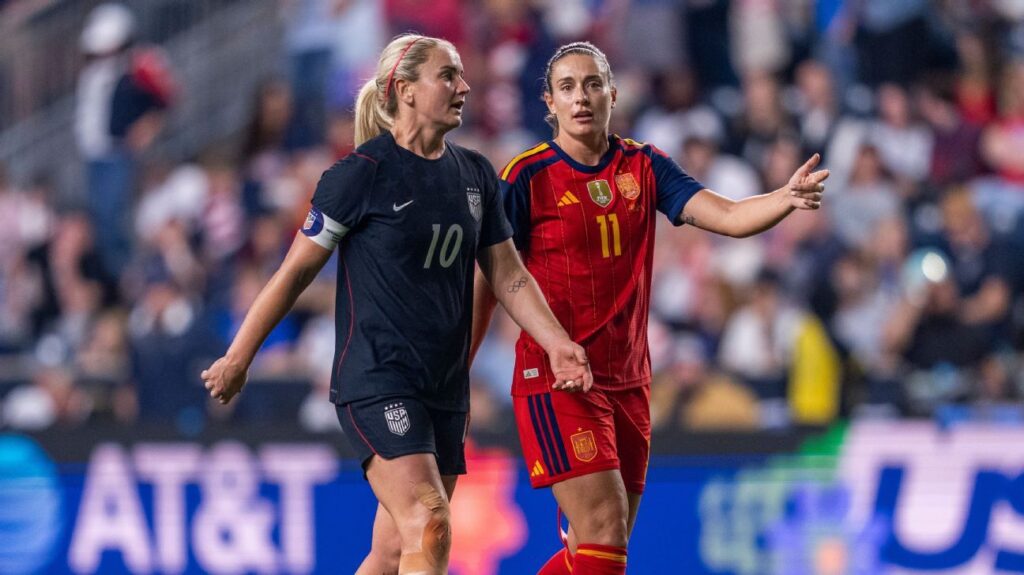
From 1999 to 2031: A dramatic evolution
When the United States staged the 1999 Women’s World Cup, the final at the Rose Bowl drew over 90,000 spectators and turned players like Mia Hamm into household names. The tournament proved that women’s football could capture mainstream attention, but it was still a niche product compared to the men’s game.
Three decades later, the 2031 edition will be staged across eight U.S. cities, featuring 32 teams and a projected global audience of more than 1.5 billion viewers. Technological advances—from immersive VR broadcasts to AI‑driven match analytics—promise a viewing experience that the 1999 organizers could never have imagined.
The growth is not just quantitative. Tactical sophistication, professional leagues in Europe, Asia and Africa, and a surge in youth participation have raised the overall quality of play. Analysts note that the average possession per team in the 2031 qualifiers is 55 percent, up from 48 percent in 1999, reflecting tighter coaching and better player development.
Commercial boom and media rights: Money follows the momentum
The 2031 tournament has already attracted a record US$1.2 billion in media rights deals, according to FIFA’s latest financial report. ESPN secured a multi‑year partnership that includes streaming on its flagship platform, while emerging players like Amazon Prime Video will broadcast matches in Sub‑Saharan Africa, opening new revenue streams for the continent.
Sponsorship interest has exploded. Brands ranging from sportswear giant Nike to fintech startup Flutterwave are lining up to be official partners, with the latter targeting African markets specifically. This reflects a shift in how global advertisers view women’s sport—not just as a social cause but as a viable commercial platform.
The financial uplift is expected to trickle down to national federations. FIFA’s revised prize‑money distribution model allocates 30 percent more to the lower‑ranked teams, a move that could help nations like Nigeria and Kenya invest in training facilities and coaching staff.
African nations and players: New doors opening
The expanded 32‑team format guarantees at least two slots for African teams, a policy championed by CAF after the 2027 African Women’s Cup of Nations demonstrated the continent’s rising competitiveness. Nigeria’s Super Falcons, South Africa’s Banyana Banyana, and a surprise qualifier—Kenya—will all be on the U.S. stage.
African players are already making waves in top European clubs, and the U.S. tournament offers a global showcase. Ghanaian forward Ophelia Mensah, who signed with Manchester City last season, said in a post‑match interview that performing in front of a U.S. audience could accelerate her move to the National Women’s Soccer League (NWSL), where several African stars already thrive.
Diaspora communities in cities like Houston and New York are expected to fill stadiums, creating a cultural bridge. According to a 2025 study by the African Development Bank, the African diaspora in the United States spends an average of US$2,800 per major sporting event, indicating significant economic impact for host cities.
Grassroots impact and the diaspora: Building the next generation
Beyond the headline matches, FIFA has pledged US$150 million for grassroots programmes in Africa tied to the 2031 World Cup. The funds will support school‑based leagues, coaching certifications, and safe‑play infrastructure, echoing the legacy projects that followed the 1999 tournament in the U.S.
In Lagos, a pilot program called “Goal for Girls” launched in early 2026 and already reports a 45 percent increase in female youth registrations, according to the Lagos State Football Association. The programme’s curriculum incorporates the same data‑analytics tools used by elite teams, giving young players a taste of high‑performance environments.
The diaspora’s role extends to media coverage. Nigerian‑American journalist Adaeze Okafor’s weekly podcast, “African Women’s Footy,” will produce a special series during the tournament, providing analysis that mainstream U.S. outlets often overlook. Such content not only educates fans but also creates advertising opportunities for African brands.
What lies ahead: Legacy, scheduling and future tournaments
The 2031 World Cup is positioned as a catalyst for a more equitable football calendar. FIFA’s proposed biennial Women’s World Cup, still under discussion, could reduce the long gaps that have historically hampered player development, especially in regions with limited professional leagues.
Legacy planning is already underway. Host cities have committed to converting temporary stadium upgrades into community sports hubs after the tournament, a model first trialed in 1999 but now scaled to meet African standards of accessibility and gender‑inclusive design.
Looking forward, the success of the 2031 edition will likely influence the bidding process for the 2035 tournament, where several African nations—including Ghana and Morocco—have expressed interest. If the United States can deliver on its promises of commercial growth and inclusive legacy, African federations may feel more confident in their own bids for future World Cups.
Quick Answers
When will the Women's World Cup 2031 take place?
The tournament is scheduled for June 15 to July 8, 2031.
Which U.S. cities are hosting matches for the 2031 Women's World Cup?
Eight cities—including New York, Los Angeles, Dallas, Chicago, Seattle, Atlanta, Miami and San Francisco—will host matches.
How will the 2031 Women's World Cup affect African women's soccer?
It guarantees at least two African slots, brings increased prize money, and includes FIFA‑funded grassroots programmes that aim to boost participation across the continent.
Source: www.espn.com




💬 Comments 0