Channel smuggling gangs turn to mega‑dinghies after 2026 crackdown limits small boats
Background: The Channel smuggling landscape
For more than a decade, the English Channel has been a perilous shortcut for migrants trying to reach the United Kingdom. Small, low‑profile boats—often called "dinghies"—have been the main vessels used by criminal networks to ferry people from French ports such as Calais and Dunkirk to the English coast. The UK Home Office estimates that over 40,000 people have attempted the crossing since 2015, with a significant share originating from African nations like Nigeria, Ghana, Sudan and Eritrea.
In response, British authorities have intensified patrols, deployed radar‑guided cutters, and introduced stricter legal penalties for people‑smuggling. The 2023‑2024 “Operation Fortify” campaign, for example, seized more than 200 small boats and led to the arrest of dozens of traffickers. These measures have squeezed the supply of cheap, easily concealed vessels, pushing smugglers to look for alternatives.
The rise of mega‑dinghies
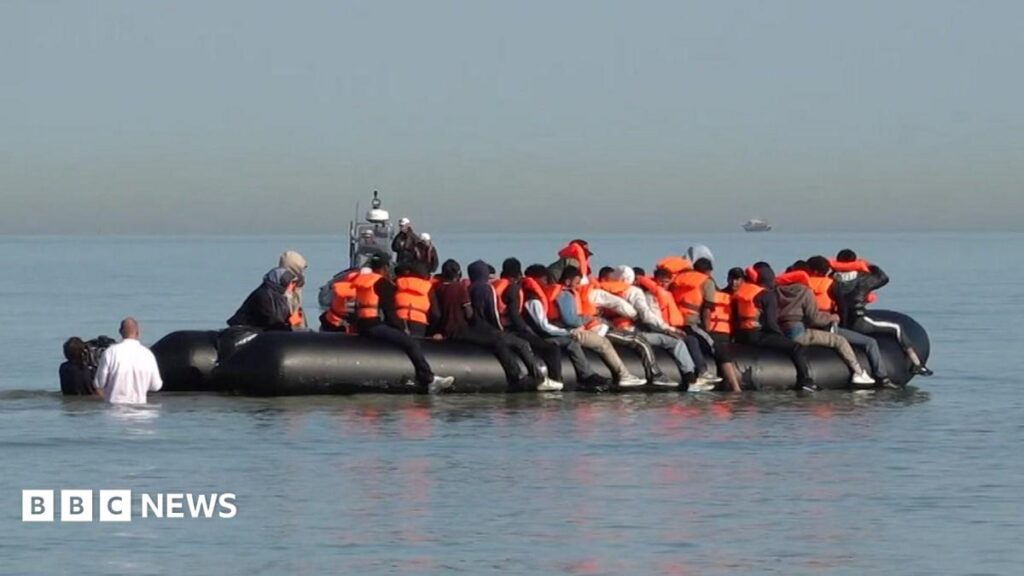
A recent BBC investigation revealed that smuggling gangs are now turning to what they call “mega‑dinghies”—larger, motor‑powered craft capable of carrying 30 to 50 passengers at a time. These vessels are typically repurposed fishing boats or inflatable rafts that have been reinforced with plywood and steel frames. Their size makes them harder for coastal patrols to spot in the busy shipping lanes of the Channel, but it also raises the risk of capsizing in the notoriously rough waters.
According to the investigation, the shift began in early 2025 after a coordinated crackdown removed a substantial portion of the small‑boat market. Smugglers reported that the cost of a standard 6‑metre dinghy rose from €2,000 to more than €7,000 within six months, prompting a search for higher‑capacity options that could amortise the expense over more passengers per crossing.
Why gangs are joining forces
Historically, rival smuggling groups have guarded their territories fiercely, often engaging in violent clashes over routes and client bases. The shortage of suitable vessels, however, has forced a pragmatic realignment. Sources close to the networks told the BBC that the cost and logistical complexity of acquiring and operating a mega‑dinghy are beyond the means of most single gangs, leading them to pool resources, share crews, and split profits.
This collaboration is evident in the emergence of joint branding on the boats—cryptic logos that combine symbols from previously competing outfits. Analysts say the new alliances could make the smuggling market more resilient, but they also create a unified front that may be harder for law‑enforcement to infiltrate, as fewer groups now control a larger share of the trade.
Implications for African migrants and UK policy
The shift to mega‑dinghies has a disproportionate impact on African migrants, who already face higher fees and longer waiting times than their Asian or European counterparts. Community organisations in London, such as the African Migrant Support Network, warn that the larger vessels mean higher per‑person costs—often exceeding €10,000—pushing desperate travelers into deeper debt with criminal financiers.
From a policy perspective, the UK government’s focus on interdiction may inadvertently raise the stakes for those attempting the crossing. Human‑rights groups argue that larger boats increase the likelihood of fatal accidents, a concern underscored by a 2026 incident in which a mega‑dinghy capsized near the Isle of Wight, killing eight passengers, most of whom were from Nigeria and Sudan. The tragedy has reignited calls for a more humane asylum system that addresses root causes in African departure countries, rather than solely tightening border controls.
What comes next: enforcement and humanitarian response
British authorities are already adapting. The Home Office announced in July 2026 that a new “Maritime Surveillance Taskforce” will employ drones and satellite‑linked AIS (Automatic Identification System) sensors to track larger vessels that do not file standard transponder data. Officials say the move aims to close the detection gap that mega‑dinghies exploit.
At the same time, NGOs are scaling up rescue operations in the Channel. Médecins Sans Frontières has deployed additional fast‑response boats equipped to handle mass‑rescue scenarios, while African diaspora groups in the UK are lobbying for safe‑and‑legal migration pathways. If successful, these initiatives could reduce the demand for dangerous smuggling trips, but they will require sustained political will and coordination between the UK, France, and African source‑state governments.
Quick Answers
What are mega‑dinghies used by Channel smuggling gangs?
Mega‑dinghies are larger, motor‑powered boats—often modified fishing vessels—that can carry 30‑50 migrants per crossing, making them harder to detect than traditional small dinghies.
Why are rival smuggling gangs now cooperating in the Channel?
The 2025‑2026 crackdown reduced the supply of cheap small boats, forcing gangs to pool money and expertise to acquire and operate costly mega‑dinghies.
How does the shift to mega‑dinghies affect African migrants trying to cross the Channel?
It raises travel costs, increases the risk of capsizing, and often leaves African migrants deeper in debt with traffickers, prompting calls for safer migration routes.
Source: www.bbc.co.uk




💬 Comments 0