South Africa dad finds daughter’s murder on Facebook, police silence fuels community safety surge 2026
A father's horror becomes a national flashpoint
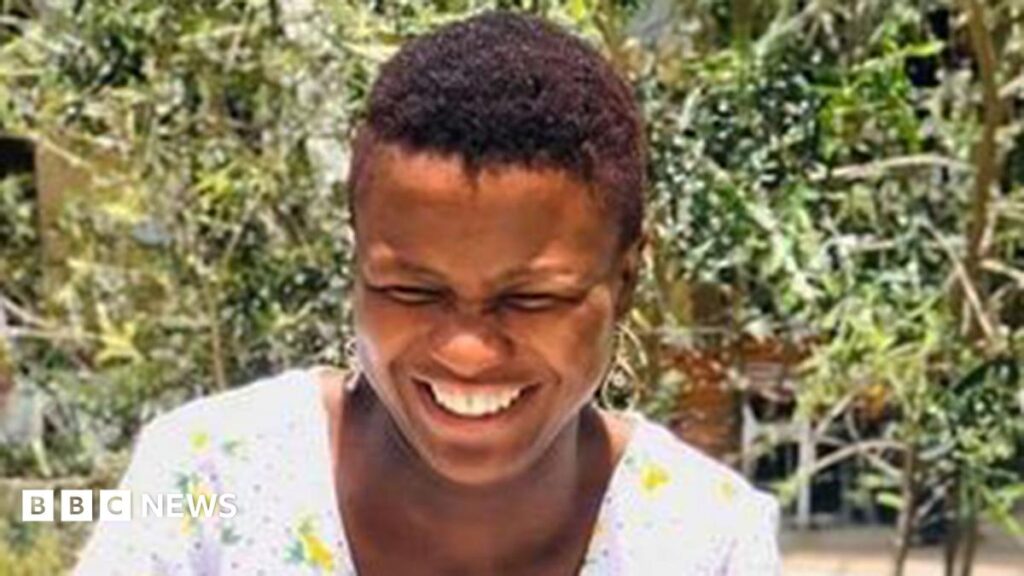
When Thabo Mokoena logged onto Facebook in early November 2026, he expected the usual stream of family photos and messages. Instead, a post from a neighbour announced the brutal killing of his 19‑year‑old daughter, Lindiwe, in a suburb of Johannesburg. The shock was compounded by the fact that the police had not yet contacted him, despite the crime occurring two days earlier.
Mokoena’s public plea to the South African Police Service (SAPS) on social media highlighted a pattern many South Africans have grown accustomed to: delayed or absent police communication after violent crimes against women. His post quickly went viral, drawing criticism from activists, journalists and ordinary citizens who see it as another example of institutional indifference.
The tragedy unfolded against a backdrop of an alarming surge in femicide. According to the South African Police Service’s own data, 2025 saw a 12% rise in murders of women compared with the previous year, with many cases remaining unsolved for months. Mokoena’s experience, therefore, resonated far beyond his family, symbolising a collective frustration that has been simmering across the nation.
Why the police response is under fire
South Africa’s policing apparatus has long struggled with resource constraints, high crime rates and a legacy of mistrust among black communities. In 2024, the Independent Police Investigative Directorate reported that only 38% of murder investigations led to an arrest within the first 30 days, a figure that drops even lower for cases involving female victims.
Experts say the problem is not merely logistical but cultural. A 2025 study by the University of Cape Town’s Centre for Criminology found that gender bias within law‑enforcement ranks often leads to a lower prioritisation of crimes against women, especially when the victims are from poorer townships. This bias translates into slower response times, fewer forensic resources and, ultimately, a higher likelihood of cases going cold.
For families like the Mokoenas, the lack of a timely police call is more than an administrative lapse; it feels like an erasure of their grief. As Mokoena wrote on Facebook, “When the state does not reach out, it tells us our lives do not matter.” His words echo a sentiment echoed by the #WomenAgainstViolence movement, which has organised nationwide protests demanding accountability from SAPS.
Grassroots safety networks take the lead
In response to the police vacuum, neighbourhoods across Gauteng, KwaZulu‑Natal and the Western Cape have begun to organise their own safety structures. One notable initiative is the “Safe Streets” app, launched in July 2026 by a coalition of tech‑savvy volunteers and local NGOs. The platform allows residents to report suspicious activity in real time, share safe‑route maps and receive alerts when a crime occurs nearby.
Physical patrols have also re‑emerged, this time led by women’s self‑defence groups that train community members in basic protection techniques. In Soweto, the “Sisters of the Sun” collective runs weekly workshops that combine martial‑arts training with legal literacy, teaching participants how to document evidence and file complaints effectively.
These community‑driven measures are not just reactive; they aim to rebuild trust that has eroded between citizens and the state. According to a 2026 survey by the South African Institute of Race Relations, 63% of respondents in areas with active neighbourhood watches felt “more secure” than those relying solely on police protection.
Gender‑based violence: a regional crisis with global reverberations
South Africa’s femicide epidemic is part of a wider pattern of gender‑based violence (GBV) that spans the continent. The African Union’s 2025 report on GBV noted a 9% increase in reported cases across sub‑Saharan Africa between 2022 and 2024, attributing the rise to economic stressors, patriarchal norms and insufficient legal frameworks.
For the African diaspora, especially those living in the United Kingdom, Canada and the United States, these developments spark concerns about safety when traveling back home and about the broader perception of African societies. Diaspora organisations such as the African Women’s Network in Europe have begun lobbying foreign governments to pressure South African authorities into adopting stricter enforcement of existing gender‑based violence laws.
Economically, the violence has a measurable impact. The World Bank estimated in 2025 that GBV costs South Africa roughly 2.5% of its GDP each year, factoring in lost productivity, healthcare expenses and the long‑term psychological toll on families. Investors, particularly in the tourism sector, are watching these figures closely, as a reputation for insecurity can deter visitors and affect foreign direct investment.
What could turn the tide? Policy, accountability and international attention
The South African government announced in August 2026 a new “National Women’s Safety Strategy” that pledges to increase the number of female detectives by 30% and to create a dedicated rapid‑response unit for GBV cases. While the plan has been welcomed by advocacy groups, critics warn that without clear funding streams and measurable targets, the strategy risks becoming another bureaucratic document.
International bodies are beginning to weigh in. The United Nations Office on Drugs and Crime (UNODC) is slated to conduct a joint audit with SAPS later this year, focusing on case‑handling efficiency for murders of women. The audit could unlock technical assistance and conditional aid, providing an external lever for reform.
For activists on the ground, the next step is to translate community momentum into legislative change. The proposed “Femicide Prevention Bill,” currently under debate in Parliament, would mandate mandatory police briefings for families within 24 hours of a homicide and impose stricter penalties for officers who fail to comply. If passed, the law could address the very grievance voiced by Thabo Mokoena and many others who feel abandoned by the state.
Quick Answers
What is South Africa's current femicide rate?
In 2025, South Africa recorded roughly 2,800 murders of women, representing a 12% increase from the previous year.
How are South African communities responding to gender‑based violence?
Neighbourhoods have launched safety apps, women‑led patrols and self‑defence workshops, with surveys showing a 63% rise in perceived security where such initiatives exist.
What steps is the South African government taking to improve police response to murders of women?
The government unveiled a National Women’s Safety Strategy in August 2026, promising more female detectives, a rapid‑response GBV unit, and a pending Femicide Prevention Bill that would require police to contact families within 24 hours.
Source: www.bbc.co.uk



💬 Comments 0