Chicago synthetic drug surge 2026: impact on Nigerian community, supply chains and policy response
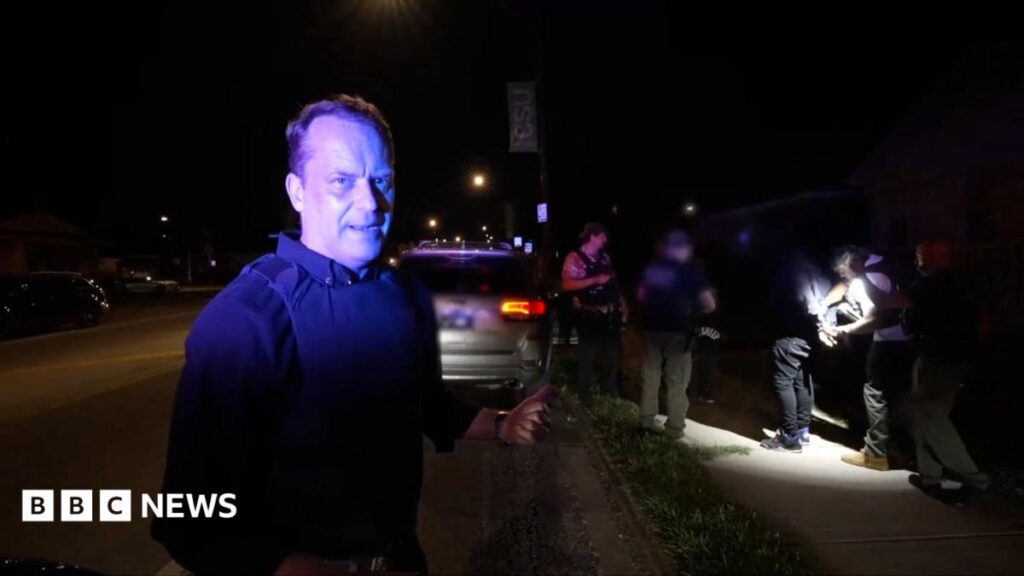
A new wave of synthetics hits Chicago streets
In early 2026 Chicago recorded a 38% rise in overdose calls linked to synthetic opioids and designer stimulants, according to the Cook County Medical Examiner’s Office. The spike follows a nationwide trend where street dealers replace heroin and cocaine with cheaper, more potent lab‑made substances such as fentanyl analogues and synthetic cathinones, often called "bath salts".
Police data released last month show that seizures of powdered white crystals – a hallmark of illicit fentanyl – have more than doubled compared with the same period in 2024. The substances are frequently mixed into counterfeit pills that mimic prescription drugs, making them harder for users to detect and for law‑enforcement to trace.
Health officials warn that the rapid turnover of new chemical formulations outpaces the ability of emergency responders to administer the correct antidotes. “Every week we see a new compound that our toxicology labs have never encountered before,” said Dr. Lena Morales of the Chicago Department of Public Health.
Global supply chains: where the precursors come from
While the United States remains the primary market, the raw chemicals that power the synthetic drug boom travel through a complex web of international routes. Analysts at the United Nations Office on Drugs and Crime note that a significant share of fentanyl precursors now originates from Southeast Asia, but recent customs data reveal a growing flow of key intermediates through West African ports such as Lagos and Abidjan.
According to a 2026 investigative report by the International Consortium of Investigative Journalists, criminal networks exploit lax export controls in several West African nations to ship chemicals hidden among legitimate cargo like textiles and agricultural products. These shipments are then transshipped to Mexican cartels, who finish the synthesis and push the final product northward.
The involvement of West African corridors does not mean that the drugs are produced on the continent, but the financial gains from the trade are increasingly funneled back to local actors. This has sparked concerns among African policymakers that the illicit economy could undermine legitimate trade and fuel corruption.
The Nigerian diaspora feels the shockwaves
Chicago is home to one of the largest Nigerian immigrant populations in the United States, with estimates of 150,000 residents according to the 2025 American Community Survey. Community leaders say the synthetic drug surge is already reshaping everyday life in neighborhoods like Little Ethiopia and the West Side, where many Nigerian families live.
Faith‑based groups such as the Nigerian Christian Fellowship of Chicago report a rise in youth outreach requests, noting that synthetic drugs are often marketed to college‑age Nigerians through social media platforms that mimic popular Afrobeat trends. “We see teenagers posting videos of ‘party pills’ that look like the colorful capsules they see in music videos,” said Pastor Chukwudi Okeke.
Economic pressures also play a role. Some recent immigrants, facing underemployment, have been drawn into low‑level distribution networks that promise quick cash. A 2026 study by the University of Illinois at Chicago found that 12% of surveyed Nigerians in the city had family members or close friends involved in the street drug trade, a figure higher than the citywide average.
Local responses: policing, health, and community action
Mayor Brandon Johnson announced a $15 million “Synthetic Crisis Task Force” in July 2026, pairing the Chicago Police Department with the Department of Public Health and local NGOs. The task force aims to improve real‑time data sharing, expand access to naloxone kits, and launch a public awareness campaign that features bilingual messaging in English and Yoruba.
Non‑profits serving the African diaspora have joined the effort. The Nigerian Diaspora Health Alliance launched a mobile clinic that offers free rapid testing for fentanyl exposure and distributes culturally tailored educational pamphlets. The initiative, funded partly by the African Development Bank’s diaspora engagement program, hopes to bridge the trust gap that often deters immigrant communities from seeking help.
Legal scholars warn that aggressive policing could repeat the mistakes of the 1990s crack epidemic, disproportionately targeting Black and immigrant neighborhoods. “We need a balanced approach that couples enforcement with harm‑reduction, not a punitive sweep that drives users underground,” said Professor Aisha Bello of Northwestern Law School.
What’s next? Forecasts and policy crossroads
If the current trajectory continues, experts predict that synthetic drug overdoses could surpass 1,200 deaths annually in Chicago by 2028, according to a projection by the Center for Substance Abuse Research. The key variables will be the speed of legislative action on precursor controls and the effectiveness of community‑based prevention programs.
On the federal level, the Biden administration is expected to propose tighter export restrictions on precursor chemicals in its 2027 budget, a move that could choke the supply chain feeding West African transshipment routes. However, enforcement will hinge on cooperation from African customs agencies, many of which are still building capacity to detect hidden shipments.
For the Nigerian diaspora, the coming months will test the resilience of grassroots networks. Successful models—like the mobile clinics and culturally specific outreach already in place—could be replicated in other U.S. cities with sizable African immigrant populations, turning a local crisis into a catalyst for broader diaspora health empowerment.
Quick Answers
How are synthetic drugs affecting Chicago's Nigerian community?
The surge has led to higher overdose rates, increased youth exposure through social media, and some economic pull into low‑level distribution, prompting targeted health and outreach programs.
Where do the chemical precursors for Chicago's synthetic drugs come from?
Most precursors are sourced from Southeast Asia, but a growing share passes through West African ports like Lagos, where they are hidden in legitimate cargo before reaching Mexican cartels.
What actions is Chicago taking to combat the synthetic drug crisis?
The city launched a $15 million task force that combines police, health services, and NGOs, expands naloxone distribution, and runs bilingual education campaigns aimed at high‑risk communities.
Source: www.bbc.co.uk




💬 Comments 0