María Elvira Salazar’s anti‑Trump ad sparks GOP Latino‑voter anxiety ahead of 2026 midterms
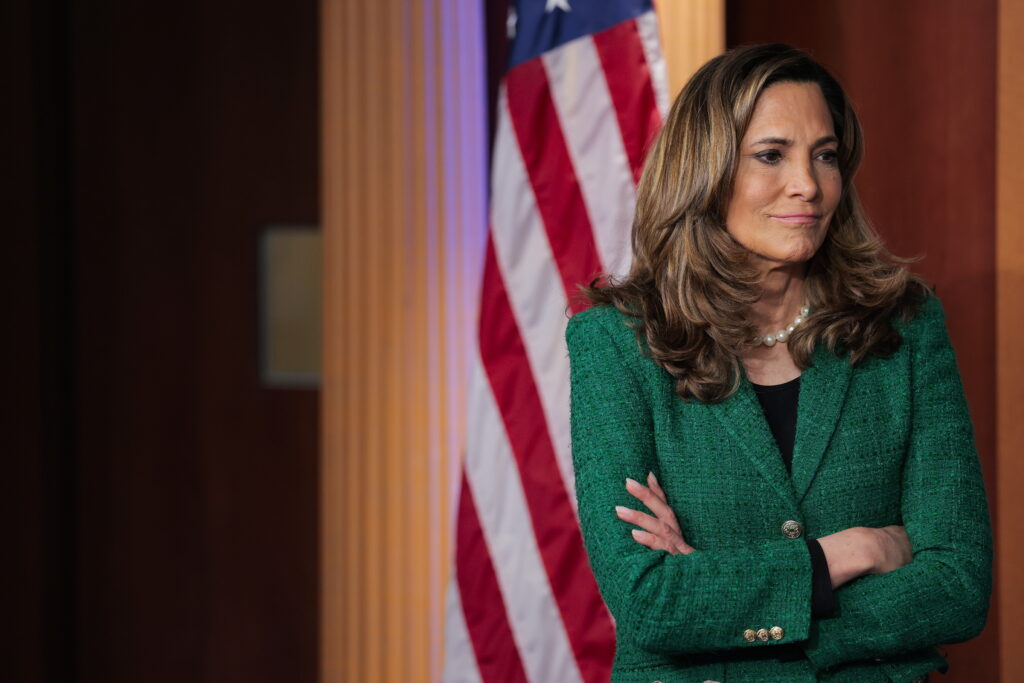
Background: The GOP’s Latino outreach gamble
Since the 2020 election, the Republican Party has been trying to rewrite the narrative that it is a party for only white voters. Florida’s 27th district, home to a large Cuban‑American community, became a testing ground when María Elvira Salazar, a former journalist, won the seat in 2020 and was re‑elected in 2022. Her victory was hailed as proof that a moderate Republican could appeal to Latino voters who traditionally leaned Democratic. At the same time, former President Donald Trump’s hard‑line immigration rhetoric – especially his calls for a “border wall” and “deportation of illegal immigrants” – created a fissure within the party, pitting Trump‑ loyalists against more centrist GOP lawmakers who feared alienating a growing electorate that now makes up roughly 30 % of the national voting‑age population.
The demographic shift is not just a U.S. story. Latino voters include a sizable number of African‑descended individuals, such as Afro‑Dominicans and Afro‑Puerto Ricans, whose voting patterns can influence elections in swing states like Florida, Nevada and Arizona. For the African diaspora in the United States, the outcome of this intra‑party debate matters because it determines whether Republican policy proposals will address issues like immigration reform, criminal‑justice equity and economic opportunities that directly affect Afro‑Latino communities.
The ad: Salazar’s warning to Trump
In early October 2026, Salazar released a 30‑second television spot that showed her standing in front of a backdrop of families waiting at a border crossing. She told the camera, “President Trump, you’ve gone too far on immigration. Your policies are hurting families, hurting our community, and could cost us the Latino vote.” The ad was aired in Miami‑Dade County and targeted at swing voters who watch local news channels. It was funded by a political action committee that supports moderate Republicans, and it marked one of the few times a sitting GOP member has publicly challenged Trump on immigration while still identifying as a Republican.
The timing of the ad is significant. It comes just weeks before the 2026 midterm primaries, when Republican candidates in several key districts are positioning themselves as either staunch Trump allies or as pragmatic conservatives. Salazar’s message, while measured, signals a growing unease among GOP lawmakers that the party’s hard‑right immigration stance could erode the modest gains it made with Latino voters in 2022. According to a poll cited by the Miami Herald, 48 % of Latino voters in Florida said they would consider voting for a Republican who adopts a more compassionate immigration platform, compared with only 22 % who said the same for a candidate who mirrors Trump’s rhetoric.
Why it matters: Internal GOP tension and electoral stakes
The ad highlights a strategic dilemma for the Republican Party: how to retain the loyalty of its base while expanding its appeal to demographic groups that could decide the outcome of close races. If the party continues to double down on anti‑immigrant messaging, it risks losing the Latino swing votes that helped flip districts like Florida’s 27th in 2020. This could have a cascading effect on the Senate map, where a handful of seats are expected to be decided by margins of less than 5 %. Analysts at the Brookings Institution warn that the GOP’s failure to adapt could lead to a “demographic cliff” that pushes the party further into minority‑voter irrelevance by 2032.
For African‑descended voters within the Latino community, the stakes are personal. Many Afro‑Latinos work in industries that depend on immigration policy, such as agriculture, construction and hospitality. A harsher stance could mean reduced labor protections and increased family separations, issues that have historically mobilized Black voters in the United States. If Republican candidates begin to temper their rhetoric, they may open a pathway for coalition‑building that includes both Latino and Black voters – a scenario that could reshape the political calculus in states with large Afro‑Latino populations like Texas and California.
A broader pattern: The GOP’s evolving Latino strategy
Salazar’s ad is part of a larger trend that began after the 2016 election, when Republicans realized that a narrow focus on cultural issues was no longer sufficient. In 2021, the party launched the “Latino Outreach Initiative,” which funded bilingual campaign staff and highlighted economic‑growth messaging. However, the initiative was repeatedly undermined by Trump’s 2018‑2020 rhetoric that framed immigrants as a security threat. The result was a mixed record: while the GOP made modest gains among Cuban‑American voters in Florida, it lost ground with Mexican‑origin voters in the Southwest. The 2026 ad suggests that the party is now at a crossroads, deciding whether to double‑down on the Trump brand or to recalibrate toward the “compassionate conservatism” that Salazar advocates.
The tension mirrors challenges faced by other parties worldwide that are trying to broaden their base without alienating core supporters. In South Africa, for instance, the Democratic Alliance has struggled to attract Black voters while keeping its traditional white‑middle‑class constituency. Similarly, the GOP’s internal debate may influence how political parties in Africa approach ethnic and linguistic minorities, especially as younger, more mobile populations demand inclusive policies. Observers note that the outcome of the U.S. Latino‑voter debate could serve as a case study for African parties seeking to balance identity politics with broad‑based electoral appeal.
What’s next: Possible scenarios for the 2026 midterms and beyond
If Salazar’s warning resonates with voters, we could see a shift in Republican campaign messaging in the weeks leading up to the November elections. Candidates in swing districts might adopt softer language on immigration, emphasizing pathways to legal status and family reunification. This could force Trump‑aligned candidates to either pivot publicly or risk being sidelined by party leadership that wants to protect the Latino vote. Early indications from the Republican National Committee’s 2026 media plan show an increased allocation of ad dollars toward “economic opportunity” themes rather than “border security” slogans in states with high Latino populations.
Conversely, if Trump’s camp dismisses the ad as a betrayal and doubles down on the border‑wall narrative, the party could experience a short‑term surge among its base but suffer long‑term losses in voter registration and turnout among Latino and Afro‑Latino communities. Political scientists at the University of Chicago warn that such a path could accelerate the polarization that already sees Latino voters split almost evenly between the two parties. For African‑descended voters in the diaspora, the decision will likely influence how future immigration reforms are crafted, affecting everything from DACA renewals to family‑sponsorship quotas. The coming months will therefore be a litmus test for whether the GOP can reinvent its outreach strategy or remain tethered to a hard‑line stance that may cost it critical electoral ground.
Quick Answers
Who is Rep. María Elvira Salazar?
María Elvira Salazar is a Republican congresswoman from Florida’s 27th district, first elected in 2020, known for her background as a television journalist and her moderate stance on immigration.
What does Salazar’s anti‑Trump ad say?
The ad warns President Trump that his hard‑line immigration policies are “going too far,” harming families and risking the GOP’s support among Latino voters.
Why are Republicans worried about losing Latino voters?
Latinos now represent about 30 % of U.S. voters; losing their support could cost the GOP key swing‑district seats and hinder its chances in future national elections.
Source: www.npr.org




💬 Comments 0