China’s 2026 Plenum: Xi Tightens Discipline, Impact on Africa’s Belt‑Road
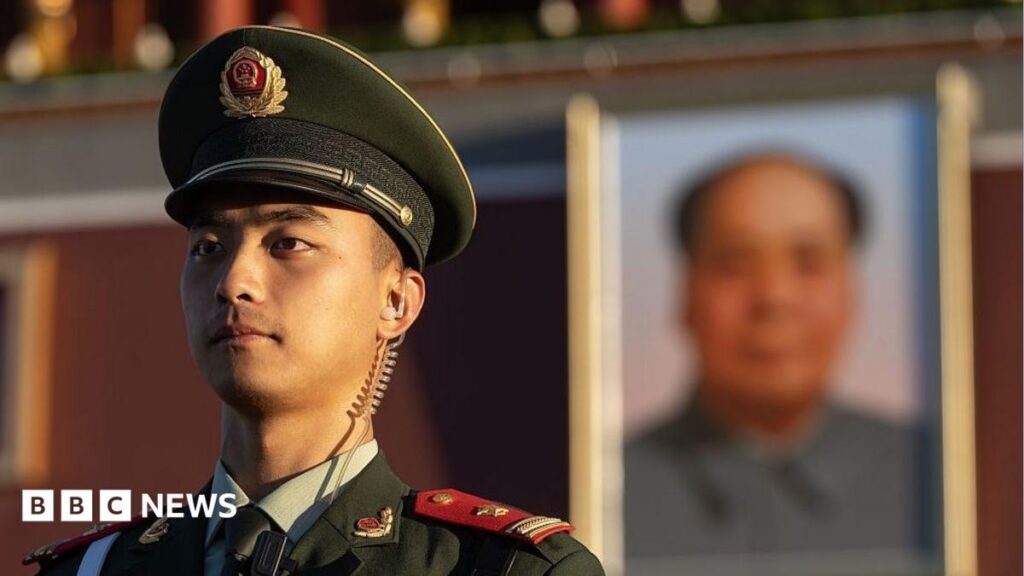
Background: The Party Plenum and Its Power
Every five years the Chinese Communist Party convenes a Central Committee Plenum, a four‑day gathering that sets the tone for policy until the next National Congress. While the meetings are shrouded in secrecy, the outcomes are closely watched by diplomats, investors and scholars because the decisions are binding on all state organs and major enterprises.
The 2026 Plenum follows the 20th Party Congress that re‑elected Xi Jinping for a third term, a rarity in modern Chinese politics. Analysts note that a third term gives Xi unprecedented leverage to reshape the party’s internal rules, especially around discipline and anti‑corruption, which have been hallmark campaigns of his leadership.
Historically, plenum resolutions have triggered sweeping reforms – from the 1992 market‑oriented turn under Deng Xiaoping to the 2001 accession to the World Trade Organization. The current agenda, however, appears to focus less on economic liberalisation and more on tightening party control over both officials and state‑linked firms.
What the Agenda Signals: Discipline and Anti‑Corruption
State media outlets have hinted that the meeting will adopt a new "strict governance" charter, expanding the scope of disciplinary inspections to cover senior executives of state‑owned enterprises (SOEs). Sources close to the Politburo say the draft will also require party cells within private firms to report directly to central authorities, a move that could blur the line between market and party oversight.
The anti‑corruption drive, launched in 2012, has already seen more than 1.5 million officials investigated, according to the Central Commission for Discipline Inspection. This time, officials are expected to face stricter personal‑asset disclosures and harsher penalties for collusion with foreign entities, a clause that could affect companies with overseas joint ventures.
Critics argue that the tightened discipline may stifle entrepreneurial risk‑taking, especially among tech start‑ups that have thrived on a relatively liberal regulatory environment. Yet supporters, including senior party theorists, claim that greater oversight will restore public trust and prevent the “political decay” that could undermine China’s long‑term stability.
Why It Matters Globally: Shifts in China’s Foreign Policy
A more disciplined party apparatus often translates into a more predictable foreign policy, but it can also mean a firmer stance on geopolitical interests. Observers at the Council on Foreign Relations note that the new charter could empower the Ministry of Foreign Affairs to demand stricter compliance from Chinese firms operating abroad, especially in strategic sectors like telecommunications and mining.
The timing coincides with escalating tensions in the Indo‑Pacific and renewed scrutiny of China’s Belt and Road Initiative (BRI). If the party clamps down on “deviation” from official policy, partner countries may see less flexibility in loan renegotiations and project timelines, potentially reshaping the debt‑relief calculus that many developing nations have relied on.
Moreover, tighter internal controls may affect the global supply chain for critical minerals. Analysts at Bloomberg report that Chinese miners are being instructed to prioritize state‑directed extraction projects, which could tighten the flow of rare earths to Europe and the United States, raising prices and prompting policy responses in those regions.
Implications for Africa: Funding, Infrastructure, and Political Leverage
Africa remains one of the biggest beneficiaries of the BRI, with over $150 billion in Chinese loans and projects across the continent, according to the African Development Bank. The new disciplinary rules could mean that Chinese state banks and SOEs will be under tighter scrutiny when extending credit, potentially slowing the approval of new infrastructure deals.
At the same time, African governments that have built political capital by aligning with Beijing may find themselves under increased pressure to meet stricter governance standards. The Africa‑China Business Council warned that “any perception of mismanagement or corruption in joint ventures will now be flagged more aggressively by Chinese supervisors,” which could jeopardise projects in Kenya, Ethiopia and Zambia that are already facing cost overruns.
For the African diaspora, especially entrepreneurs in the tech and renewable‑energy sectors, the shift could be a double‑edged sword. While tighter oversight may reduce the risk of sudden policy reversals, it could also limit the flexibility that many start‑ups have enjoyed when partnering with Chinese investors. Diaspora‑led venture funds may need to reassess risk models and consider alternative financing sources, such as European Development Finance Institutions that are gaining a foothold in the region.
What Comes Next: Scenarios for Investors and Governments
In the short term, markets are likely to react to the first set of plenum communiqués, with Chinese equities linked to overseas projects experiencing modest volatility. Investors are advised to monitor the implementation guidelines that will follow the meeting, as they will detail the exact compliance mechanisms for SOEs and foreign‑partner firms.
Governments in Africa and elsewhere should prepare diplomatic briefings that address the new disciplinary framework, emphasizing transparency in joint‑venture contracts and aligning project milestones with the revised Chinese expectations. Some analysts suggest that countries could negotiate “discipline clauses” that protect local partners from abrupt enforcement actions.
Long‑term, the tightened party discipline could either reinforce China’s role as a stable development partner—if the reforms lead to cleaner governance—or it could push African nations toward a more diversified financing mix. The next few months will reveal whether the plenum’s rhetoric translates into concrete policy shifts that reshape the continent’s infrastructure landscape.
Quick Answers
What is the main focus of China's 2026 Plenum?
The meeting is expected to adopt a stricter party‑discipline charter and extend anti‑corruption rules to senior officials and state‑owned enterprises.
How could the Plenum decisions affect African Belt‑Road projects?
Tighter oversight of Chinese lenders may slow loan approvals and increase compliance checks on joint ventures, potentially delaying infrastructure projects across Africa.
Will the new discipline rules impact foreign investors in China?
Yes, foreign firms linked to Chinese partners will face more rigorous reporting requirements and could be subject to party‑level inspections.
Source: www.bbc.co.uk




💬 Comments 0