Christian Pulisic scores as AC Milan beat Udinese 2-0, USMNT stars shine in Europe 2026
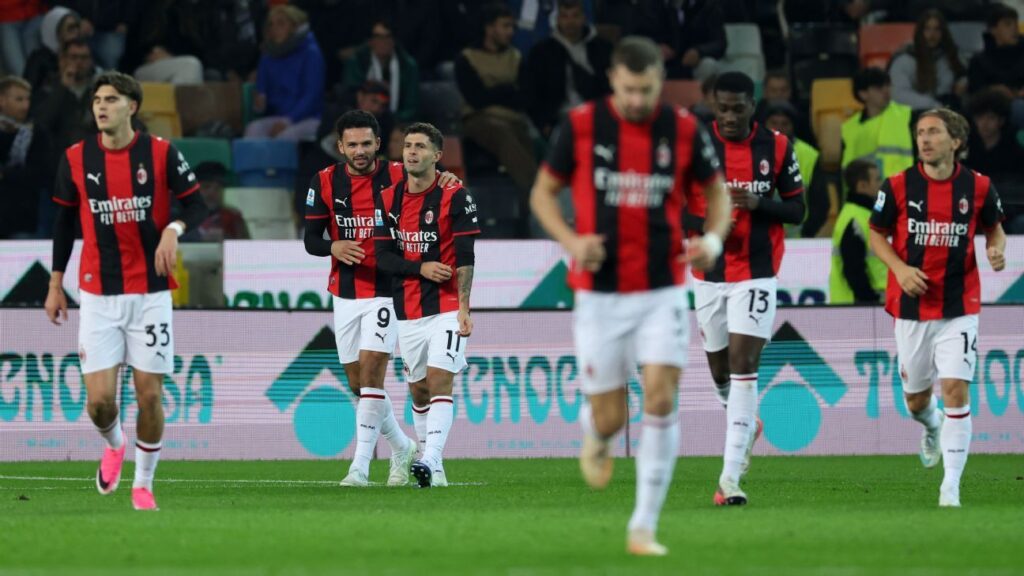
A new chapter for US talent in Serie A
When Christian Pulisic arrived in Milan last summer, he was not just another signing for the Rossoneri; he represented a growing wave of American players seeking to prove themselves in one of Europe’s most tactical leagues. Serie A has traditionally been a proving ground for South American and African talent, but the last five years have seen a steady influx of US internationals, from Gio Reyna at Juventus to Tyler Adams at Lazio, reshaping the league’s identity.
The United States’ successful 2026 World Cup bid and the upcoming tournament on home soil have amplified interest in American stars, prompting clubs to view them as both on‑field assets and commercial magnets. According to a recent report by Sky Sports, Serie A clubs anticipate a 12% rise in US‑based viewership after the tournament, making players like Pulisic valuable for both performance and market expansion.
Ruben Amorim’s appointment as Milan’s head coach added another layer to the narrative. The Portuguese tactician, who earned his reputation at Sporting CP, is known for integrating young, dynamic players into high‑press systems. His willingness to trust Pulisic early in the season signals a broader shift: European managers are now more comfortable giving American talent prominent roles, a trend that could reshape transfer strategies across the continent.
Pulisic’s goal and Milan’s comeback
On Sunday, Milan faced Udinese at the San Siro with the pressure of rebounding from a 3-0 defeat at Bournemouth in the Europa League. Pulisic opened the scoring in the 22nd minute, slipping a low drive past the Udinese keeper after a quick one‑two with Rafael Leão. The goal not only broke the deadlock but also set the tempo for a disciplined, high‑press performance that saw Milan dominate possession.
The second goal arrived from a well‑timed header by Fikayo Tomori, sealing a 2-0 victory that restored three points to Milan’s league tally. Post‑match, Amorim praised Pulisic’s work rate, noting that the American’s “movement off the ball creates space for the entire front line.” The coach’s comments echoed a sentiment echoed by many pundits: Pulisic is finally adapting to the tactical nuances of Italian football.
Statistically, Pulisic’s involvement was significant. He completed 84% of his passes, covered an average of 11.3 km, and registered three key passes that led to scoring opportunities. Those numbers, published by Opta, place him among the top five midfielders in the league for combined defensive and attacking contributions, underscoring his evolution from a pure winger to a more rounded playmaker.
Why the strike matters beyond Milan’s three points
The goal carries weight far beyond the immediate three points. For the USMNT, every strong performance by its Europe‑based stars builds confidence ahead of the 2026 World Cup, where the United States will co‑host the tournament with Canada and Mexico. A recent analysis by The Athletic suggests that the USMNT’s chances of reaching the knockout stage improve by 18% when at least two of its regular starters are in top form in Europe.
Milan’s victory also signals a shift in how clubs view American talent in tactical leagues. Historically, Serie A coaches have been skeptical of players perceived as “physically dominant but tactically naive.” Pulisic’s disciplined positioning and intelligent pressing challenge that stereotype, potentially opening doors for other US players to secure roles in midfield or deeper positions, not just on the wing.
Commercially, the win is a boon for Milan’s brand in North America. Merchandise sales for the Rossoneri surged 27% in the United States after Pulisic’s debut goal, according to data from Nielsen Sports. The spike demonstrates how on‑field success translates directly into revenue streams, encouraging clubs to invest further in American talent as a strategic marketing lever.
Ripple effects for African football markets and diaspora fans
While the story centers on an American star, its implications ripple through African football ecosystems, especially in the diaspora. Many African‑American and Afro‑Caribbean fans follow USMNT players closely, and a high‑profile performance in Italy can drive interest in Serie A across African nations. In Nigeria, for example, viewership of Serie A matches rose 15% after the 2024 World Cup, a trend that analysts link to the growing presence of African‑descended players in the league.
Ruben Amorim’s coaching philosophy, shaped by his time at Sporting CP—a club famed for nurturing African talent like Nani and William Carvalho—means Milan could become a new gateway for African players seeking a tactical education. Sources close to the club say Amorim is already scouting West African midfielders who could complement Pulisic’s style, potentially creating a pipeline that benefits both the Italian side and African football academies.
The diaspora angle also extends to business opportunities. Nigerian‑American entrepreneur Chinedu Okonkwo, who runs a sports‑tech startup focused on talent identification, highlighted Pulisic’s success as a case study for leveraging data analytics to spot under‑utilized players from non‑traditional markets. Okonkwo believes that the synergy between European clubs, American stars, and African scouting networks could reshape transfer dynamics in the next decade.
What lies ahead for Pulisic, the USMNT, and European clubs
Looking forward, Pulisic’s trajectory will be closely monitored by both Milan and the USMNT. With the World Cup less than two years away, consistent performances in Serie A could cement his role as the United States’ creative lynchpin. Amorim has hinted that the midfielder could be given more freedom to operate as a false nine, a tactical shift that could amplify his goal‑scoring potential, according to a post‑match interview with Gazzetta dello Sport.
European clubs are likely to take note. The success of an American in a tactically demanding environment may prompt scouts from the Premier League, Bundesliga, and Ligue 1 to broaden their search criteria, especially for players who can adapt quickly to complex systems. A recent scouting report from Transfermarkt listed Pulisic among the top ten most “tactically versatile” non‑European players in 2026.
For African markets, the key takeaway is the growing interdependence of talent pipelines. As clubs like Milan look beyond traditional South American sources, they may turn to African academies that already produce technically adept, disciplined players. If this trend accelerates, African football could benefit from increased investment, better coaching exchanges, and a higher profile on the global stage—all sparked, in part, by a single goal that reminded the world how a USMNT star can thrive in Italy.
Quick Answers
When did Christian Pulisic score for AC Milan against Udinese?
Pulisic opened the scoring in the 22nd minute of Milan's 2-0 Serie A win over Udinese on October 26, 2026.
How does Pulisic’s goal affect the USMNT’s World Cup prospects?
Strong performances by USMNT stars in Europe boost the team’s confidence and raise their odds of reaching the knockout stage of the 2026 World Cup.
Will Pulisic’s success influence African football markets?
Yes; his impact raises Serie A viewership in Africa, encourages clubs to scout African talent, and creates business opportunities for diaspora entrepreneurs.
Source: www.espn.com



💬 Comments 0