Cold‑Water Instant Noodles Go Viral in Japan – BBC Tries Trend, Impact on Africa’s Snack Market 2026
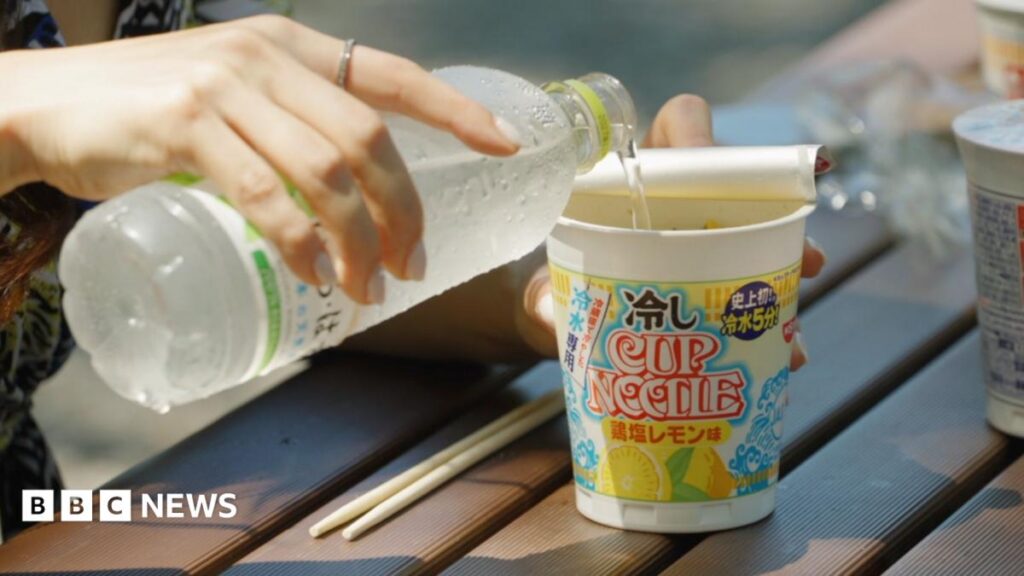
The cold‑water noodle craze in Japan
In the summer of 2026, a simple tweak to a pantry staple sparked a nationwide buzz: instant ramen prepared with ice‑cold tap water instead of the traditional boiling broth. The method, first shared on Japanese video platforms like TikTok and YouTube, promises a quick, refreshing snack that can be eaten straight from the cup, bypassing the need for a stove or kettle.
The idea originated from a handful of university students who posted a 30‑second video showing the noodles swelling in cold water within two minutes. Within weeks, the hashtag #ColdRamen trended, and major brands such as Nissin and Maruchan released limited‑edition “Cold‑Water Ready” packs, complete with flavor‑enhancing powders that dissolve without heat.
Industry analysts note that the trend reflects Japan’s long‑standing culture of convenience foods, but it also taps into a growing desire for low‑effort meals that can be enjoyed during sweltering heat waves, which have become more frequent across the archipelago.
BBC’s on‑the‑ground test: taste, texture, and TikTok buzz
BBC Tokyo correspondent Kurumi Mori filmed a short segment in early August, pouring ice‑cold water over a standard cup of chicken‑flavored noodles and waiting the advertised two‑minute swelling time. Mori described the texture as “chewy‑yet‑soft,” noting that the noodles retained a slight firmness that many fans of the hot‑soup version miss when the broth is overcooked.
The flavor, according to Mori, relied heavily on the seasoning packet, which in the cold‑water version is formulated with more salt and umami enhancers to compensate for the lack of hot broth. While some viewers complained that the taste felt “over‑seasoned,” others praised the snack’s immediacy, especially for office workers who lack kitchen access.
Mori’s segment quickly accumulated over 1.2 million views on the BBC’s YouTube channel, and the clip was shared widely on Japanese social media. The BBC noted that the experiment was part of a broader series exploring viral food hacks, and that the outlet’s audience showed a “high level of curiosity” about how quickly a staple could be adapted for a climate‑driven lifestyle.
Beyond novelty: health, convenience and climate considerations
Health experts caution that the cold‑water version does not magically make instant noodles a nutritious meal. The sodium content of the seasoning packets remains high, and the lack of hot broth eliminates the comforting steam that can help hydrate the body during hot weather. However, nutritionists point out that the method reduces the need for electricity or gas, which can be a modest environmental win in energy‑intensive summer months.
Convenience is the headline driver. In densely populated Japanese cities where micro‑apartments often lack cooking facilities, a snack that can be prepared with a bottle of water from the tap offers a practical solution. The method also aligns with a broader shift toward “no‑cook” meals that have surged across Asia since the pandemic, as consumers seek to minimize kitchen cleanup and exposure to shared appliances.
Climate change adds another layer of relevance. Japan’s summer temperatures have risen by an average of 1.2 °C over the past decade, according to the Japan Meteorological Agency. The cold‑water noodle trend can be seen as a grassroots response to heat stress, providing a portable, non‑hot snack that doesn’t raise indoor temperatures like a microwave or stove would.
What the trend means for Africa’s booming instant‑noodle market
Across Africa, instant noodles have become a staple for millions of households, with Nigeria, Kenya, Ghana and Tanzania ranking among the world’s top consumers per capita. According to market research firm Euromonitor, the continent’s noodle market grew 12 % year‑on‑year in 2025, driven by urbanisation and the need for affordable, shelf‑stable meals.
The cold‑water preparation method could resonate strongly in African markets where electricity access is still uneven. In Nigeria, for example, the World Bank estimates that roughly 45 % of households experience regular power outages. A snack that requires only tap water could become a popular alternative to the traditional hot‑water method that depends on reliable electricity or gas.
Local manufacturers are already watching the Japanese experiment. Nigerian brand Indomie’s parent company, Monde Nissin, announced in September that it is testing a “Cold‑Ready” line for select West African markets, citing “consumer demand for faster, no‑heat snack options.” The company plans to reformulate its seasoning to suit local taste profiles while keeping sodium levels in line with regional health guidelines.
Diaspora communities in Europe and North America are also part of the equation. African expatriates who grew up on instant noodles often look for familiar comfort foods that fit their busy, on‑the‑go lifestyles. The cold‑water version offers a novel twist that can be marketed as both nostalgic and modern, potentially opening a niche export market for African‑produced noodle brands.
Looking ahead: how viral food hacks could reshape snack culture
The rapid spread of the cold‑water noodle trend underscores the power of short‑form video platforms in shaping food consumption patterns. Brands that can quickly adapt to user‑generated ideas stand to gain market share, while those that ignore the conversation risk losing relevance among younger, digitally‑savvy consumers.
For African producers, the lesson is clear: agility matters. By monitoring trends on TikTok, Instagram Reels and local platforms like Kwai Africa, manufacturers can prototype low‑cost product variations that meet emerging needs—whether that’s heat‑free preparation, reduced packaging waste, or fortified seasoning blends.
In the longer term, the cold‑water noodle phenomenon may spur a wave of “no‑heat” innovations beyond noodles, such as ready‑to‑eat rice salads, instant porridge that swells in cold water, or dehydrated fruit snacks that rehydrate without heat. If African snack companies can co‑create these products with local influencers, they could capture both domestic demand and export opportunities, turning a viral Japanese hack into a continent‑wide growth engine.
Quick Answers
How are cold‑water instant noodles prepared?
You simply pour ice‑cold tap water over the noodle block, stir in the seasoning packet, and wait about two minutes for the noodles to swell and become edible.
Why might cold‑water noodles be popular in Africa?
The method requires no electricity or heating, making it ideal for areas with unreliable power and for consumers seeking quick, portable snacks.
Are cold‑water noodles healthier than the traditional hot version?
Not necessarily; the sodium content remains high, but the preparation avoids extra energy use and can be more convenient during hot weather.
Source: www.bbc.co.uk



💬 Comments 0