Colombia Earthquake Search Teams Dig Through Rubble a Week After 6.5‑Magnitude Quake, Aid Expands
Background: The 6.5‑magnitude shock that rattled Colombia
On August 10, 2026, a magnitude‑6.5 earthquake struck the central Andean region of Colombia, with its epicenter near the town of San Juan de Arama in the Meta department. The tremor lasted about 30 seconds but caused widespread structural damage, collapsing homes, schools and a regional hospital. Official reports confirmed at least 150 fatalities and over 800 injuries in the first 48 hours, while thousands more were displaced as aftershocks continued to reverberate through the mountainous terrain.
Colombia’s seismic history includes several devastating quakes, most notably the 1999 Armenia event that killed more than 1,000 people. The 2026 quake reignited concerns about building codes in rural municipalities, where informal construction often ignores modern engineering standards. The government declared a state of emergency in Meta, Cauca and neighboring departments, mobilising the National Police, the Military, and the Colombian Red Cross to coordinate rescue and relief operations.
Search and rescue: Teams comb the rubble a week on
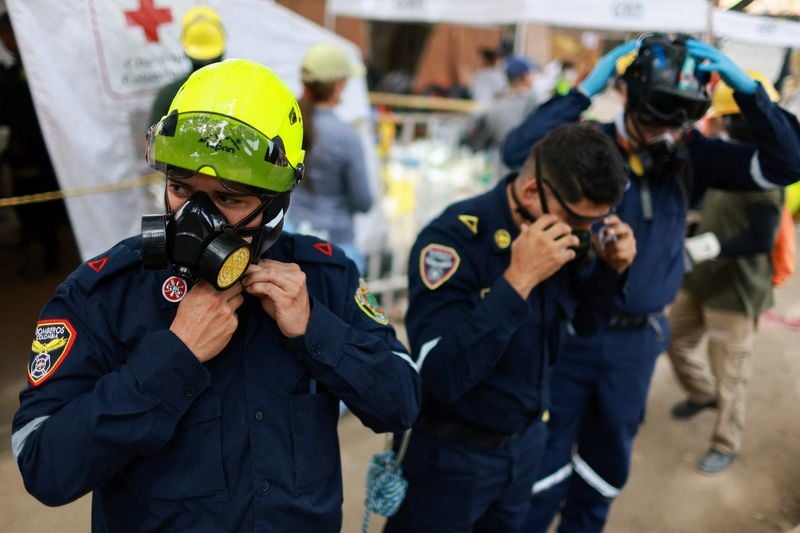
Nearly a week after the disaster, search‑and‑rescue units from the Colombian Army’s Special Forces, the National Police’s Disaster Unit, and international partners such as the United Nations Office for the Coordination of Humanitarian Affairs (OCHA) are still sifting through collapsed structures. According to a press release from the Ministry of Defense, more than 200 volunteers and 30 heavy‑equipment crews have been deployed, using sniffer dogs, thermal cameras and drones to locate survivors trapped under debris.
The aid effort has expanded beyond immediate rescue. The World Food Programme (WFP) set up temporary distribution centers in the towns of Villavicencio and La Dorada, delivering 25 metric tonnes of staple foods to families who lost their homes. Meanwhile, Médecins Sans Frontières (MSF) opened a field clinic that now treats over 1,200 patients daily, focusing on trauma care and the prevention of water‑borne diseases that often follow large‑scale displacement.
Local NGOs are playing a crucial role in bridging gaps left by larger agencies. The Colombian NGO “Manos Unidas” has mobilised community volunteers to clear roads, restore electricity in makeshift shelters, and provide psychosocial support to children who witnessed the collapse of their schools. Their on‑the‑ground knowledge has accelerated the delivery of aid to remote villages that are otherwise inaccessible by vehicle.
Why it matters: Regional spill‑over and the African connection
The quake’s impact stretches beyond Colombia’s borders. Neighboring Ecuador and Venezuela share the same tectonic plate, raising concerns about secondary shocks that could affect cross‑border trade routes. The disruption of coffee‑producing zones in Meta threatens Colombia’s export earnings, which in 2025 accounted for roughly US$3 billion—an amount that funds social programs across the nation. A dip in coffee output could ripple through global commodity markets, influencing prices that affect African coffee growers in Ethiopia and Uganda.
For the African diaspora in Latin America, the disaster has personal resonance. An estimated 150,000 people of African descent live in Colombia, many in the affected departments. Community leaders have organised fundraising drives in cities like Bogotá and Medellín, channeling money through diaspora networks to support reconstruction of culturally significant sites, such as the historic Afro‑Colombian church in San Juan de Arama. These efforts highlight how trans‑Atlantic ties can mobilise resources quickly, a model that African NGOs are watching closely for replication in earthquake‑prone regions like the Rift Valley.
The response also underscores a growing trend of South‑South humanitarian collaboration. Ghana’s National Disaster Management Organisation (NADMO) recently announced a technical assistance package, offering expertise in rapid‑housing construction using locally sourced bamboo—a material that has proved resilient in Ghana’s own flood‑prone zones. If adopted, such low‑cost, culturally appropriate building techniques could reshape how Colombian authorities rebuild informal settlements, aligning with broader African innovations in disaster‑resilient architecture.
What’s next: Reconstruction, policy reforms and long‑term aid
Colombia’s government has pledged US$200 million for reconstruction, with a portion earmarked for upgrading building codes in rural municipalities. The Ministry of Housing announced a pilot program that will train local masons in seismic‑resistant construction, a move that mirrors similar capacity‑building projects run by Kenya’s Ministry of Public Works after the 2024 Mw 6.2 earthquake in the Rift Valley.
International donors are expected to increase funding in the coming weeks. The European Union’s Civil Protection Mechanism has approved an additional €15 million for shelter kits, while the United States Agency for International Development (USAID) is preparing a “Resilient Livelihoods” grant aimed at restoring coffee farms and supporting small‑holder cooperatives. Analysts suggest that sustained financial flows will be critical to avoid a prolonged humanitarian crisis that could push displaced families into informal settlements with higher vulnerability to future shocks.
Finally, the quake has sparked a policy debate about early‑warning systems. Colombia’s Institute of Hydrology, Meteorology and Environmental Studies (IDEAM) is piloting a low‑cost seismic sensor network that could provide minutes‑early alerts to remote villages. If successful, the technology could be exported to other developing nations, including several African countries that sit on active fault lines, such as Tanzania and Mozambique. The cross‑continental knowledge exchange could become a lasting legacy of a tragedy that, while devastating, is prompting a rethink of disaster preparedness worldwide.
Quick Answers
How many people are still missing after the Colombia earthquake?
As of August 17, 2026, officials say about 120 people remain unaccounted for.
What international organisations are helping in the rescue effort?
The United Nations OCHA, World Food Programme, Médecins Sans Frontières, and several NGOs are actively involved.
Will the quake affect coffee exports from Colombia?
Yes, damage to coffee farms in Meta could lower output, potentially impacting global coffee prices.
Source: www.investing.com




💬 Comments 0