CONCACAF, UEFA eye joint Nations League for fall 2028 – impact on African football
Background: Nations League concepts and past collaborations
The Nations League model was introduced by UEFA in 2018 to replace friendlies with competitive fixtures, offering promotion‑relegation and a guaranteed number of matches for each member. CONCACAF followed suit in 2019, tailoring the format to its 41 members and using the tournament as a pathway to the Gold Cup and World Cup qualifiers. Both confederations have since leveraged the competition to generate broadcast revenue, engage fans in off‑season windows, and give smaller nations a chance to face stronger opponents in meaningful games.
Inter‑confederation cooperation is not new. In 2022 UEFA and the Asian Football Confederation (AFC) held a joint women's Champions League exhibition, and the FIFA Club World Cup expansion to 32 teams has already forced continental bodies to align calendars. These precedents show that the governing landscape is moving toward more cross‑regional projects, especially as markets in North America and Europe vie for global audiences and sponsorship dollars.
The proposed CONCACAF‑UEFA partnership
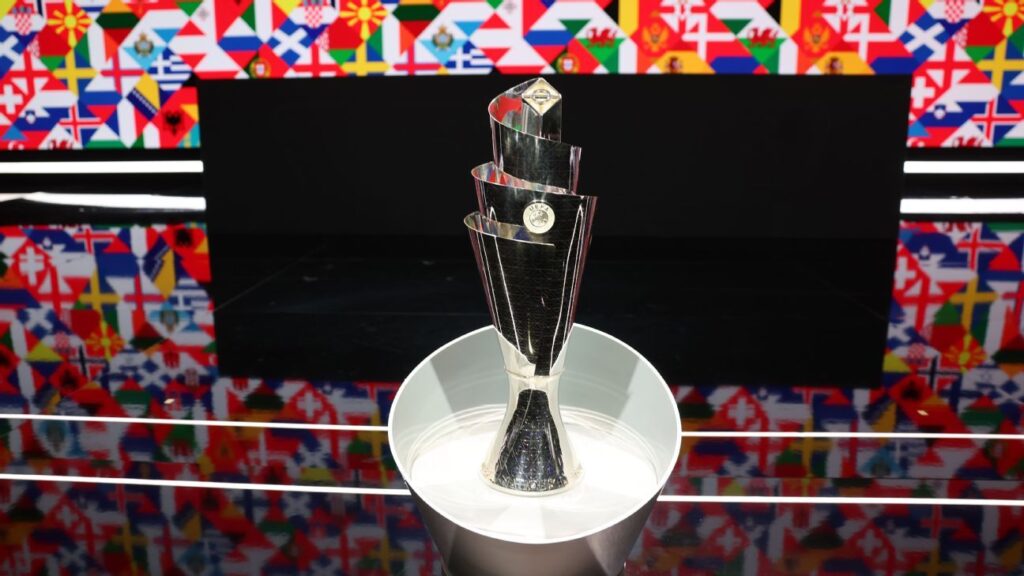
According to sources who spoke to ESPN, senior officials from CONCACAF and UEFA have begun formal talks about a combined Nations League that could launch as early as the fall of 2028. The idea is to merge the two existing tournaments into a single competition featuring 24‑32 teams, split into regional groups for the first phase before converging into a knockout stage that would be hosted alternately in North America and Europe.
While the details remain confidential, the proposals reportedly include revenue‑sharing mechanisms, joint marketing rights, and a synchronized calendar that would avoid clashes with the World Cup qualifiers and major club competitions. Both confederations are said to be consulting broadcasters, sponsors, and national associations to gauge appetite for the new format before any public announcement.
Why the joint league matters for global football
A combined CONCACAF‑UEFA Nations League would create a new tier of international football that sits between regional championships and the World Cup. For the sport’s commercial engine, it promises a larger, more attractive product for TV networks that have struggled to sell mid‑year friendlies in a crowded sports market. The tournament could also serve as a testing ground for future inter‑confederation events, such as a possible joint club competition or a global “Super Nations League” that includes Asian and African teams.
From a sporting perspective, the league would raise the competitive bar for smaller nations. Teams from Central America, the Caribbean, and the lower‑ranked European sides would regularly face higher‑profile opponents, accelerating development and providing more accurate FIFA ranking points. Moreover, the expanded fixture list could help national federations meet the minimum number of competitive games required for eligibility in future World Cup expansions.
Implications for African nations, players and markets
Although Africa’s own Confederation of African Football (CAF) is not part of the proposal, the ripple effects could be significant. African players already dominate many European leagues, and a joint CONCACAF‑UEFA competition would increase their visibility to North American clubs, especially MLS teams that are eager to sign proven talent. Scouts would have more opportunities to evaluate African prospects in high‑stakes matches, potentially accelerating transfers to both Europe and the growing North American market.
The tournament could also reshape the international calendar for African nations. CAF’s Nations League runs parallel to the European and North American versions, and a new inter‑confederation fixture list may force CAF to adjust its own schedule to avoid player fatigue and club‑vs‑country conflicts. Broadcasters in Africa have already expressed interest in securing rights to the joint league, seeing it as a way to attract advertisers eager to reach diaspora audiences in the United States and Canada.
What could happen next and timeline
If the talks progress, the two confederations are expected to present a formal proposal to FIFA’s Council by mid‑2027. FIFA would need to ratify any changes to the international match calendar, a step that historically takes 12‑18 months. Assuming approval, the inaugural edition could be staged in the fall of 2028, aligning with the post‑World Cup window that traditionally sees a dip in club football activity.
Stakeholders are already positioning themselves. National federations are likely to lobby for favorable group allocations, while broadcasters in Europe, the United States, and emerging African markets are preparing bids for exclusive rights. For African fans, the key takeaway is that the new competition could bring more high‑profile matches to their screens, but it may also intensify competition for limited player resources and force CAF to rethink its own tournament structures.
Quick Answers
When could the CONCACAF‑UEFA Nations League start?
The joint competition is being discussed for a launch in the fall of 2028, pending approval from FIFA and the confederations.
How might African players be affected by a CONCACAF‑UEFA Nations League?
The league would increase scouting exposure in North America, potentially boosting transfers, but could also add scheduling pressure on players who already juggle club and African national team duties.
Will CAF join the joint Nations League?
No official plans have been announced for CAF; the focus remains on its own Nations League, though the new format may spark future inter‑confederation talks.
Source: www.espn.com




💬 Comments 0