CONMEBOL backs Gianni Infantino’s 2027 FIFA reelection, eyes African football impact
Background: Infantino’s first term and CONMEBOL’s growing clout
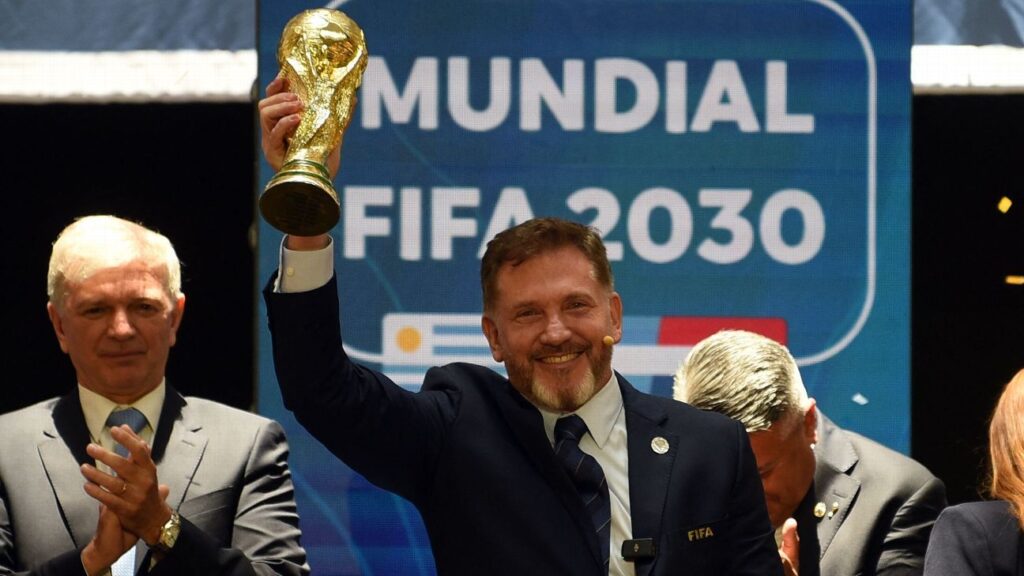
Gianni Infantino secured a second five‑year term as FIFA president in early 2023, promising a more inclusive calendar, expanded Club World Cup, and greater commercial revenue for all confederations. His tenure has been marked by a push to democratise decision‑making, yet critics argue that power still concentrates in Europe and South America. CONMEBOL, the South American governing body that controls football in ten nations, has historically been a kingmaker in FIFA elections, delivering a bloc of votes that can tip the balance in tightly contested ballots. The recent statement of unanimous support from its ten members signals not only loyalty to Infantino but also a strategic move to secure a seat at the table for its own agenda.
The South American confederation’s influence grew after the 2022 World Cup, when Brazil and Argentina’s commercial appeal helped lift FIFA’s global revenue to a record $7.5 billion. CONMEBOL’s backing now comes at a time when Infantino is preparing to roll out a revamped Club World Cup in 2025 and a new women's tournament schedule. By publicly endorsing the president, the federation signals that it expects a seat at the negotiating table for these projects, especially those that affect match calendars and broadcasting rights across the continent.
Why CONMEBOL’s endorsement matters for the upcoming election
FIFA’s electoral system allocates each confederation a single vote, but the internal dynamics of each body determine how that vote is cast. CONMEBOL’s ten‑nation consensus means a solid 10‑point block for Infantino, a margin that can be decisive when the Asian Football Confederation (AFC) and African Confederation of Football (CAF) split their support. According to a senior source at a European sports‑law firm, the African bloc traditionally holds eight votes, while AFC commands nine. If CAF were to back a challenger, Infantino would need the South American bloc to offset the loss, making CONMEBOL’s public affirmation a tactical safeguard.
Beyond the numbers, the endorsement also serves as a signal to other confederations that Infantino’s agenda enjoys broad geographic backing. In past elections, dissenting regions have used the lack of consensus to demand reforms on governance, transparency, and revenue sharing. By announcing unanimity, CONMEBOL is effectively reducing the leverage of dissenting voices, nudging CAF and AFC toward a pragmatic acceptance of the status quo rather than a confrontational stance.
Implications for African football and CAF’s bargaining power
For African stakeholders, the South American endorsement raises both opportunities and concerns. On the one hand, Infantino has pledged to allocate a larger share of World Cup revenue to CAF, a promise that could translate into higher prize money for the African Cup of Nations and more funding for grassroots programs. On the other hand, the consolidation of support from CONMEBOL may weaken CAF’s negotiating leverage, especially on issues like the expanded Club World Cup, which threatens to congest the African domestic calendar and strain club finances.
The timing is crucial because CAF is currently preparing bids for the 2027 Women’s World Cup and the 2030 men’s tournament. If Infantino’s administration proceeds with a joint bid strategy that favours South American venues, African nations could find themselves sidelined. Moreover, broadcasters in Nigeria, Kenya and South Africa have warned that a crowded global calendar could dilute viewership and advertising revenue, potentially eroding the market growth that African leagues have enjoyed over the past five years.
A broader pattern: Global football politics increasingly polarised around revenue streams
The Infantino‑CONMEBOL alliance reflects a wider trend where football’s biggest money‑makers – the World Cup, the Club World Cup and the newly announced Women’s Nations League – become bargaining chips in inter‑confederation negotiations. South America and Europe dominate the lucrative broadcasting rights market, while Africa, Asia and Oceania rely on equitable revenue distribution to develop their domestic leagues. Analysts at a London‑based consultancy note that the current power balance mirrors the early 2000s, when UEFA’s commercial dominance reshaped FIFA’s governance structures.
What distinguishes the present moment is the rise of digital streaming platforms that are courting African audiences with localized content. Companies such as SuperSport, StarTimes and the emerging African streaming service Kwesé are negotiating rights directly with FIFA, bypassing traditional broadcasters. If the revenue model shifts toward a more fragmented, platform‑centric approach, CAF’s ability to secure fair deals will hinge on its capacity to present a united front – something that could be compromised if South America’s bloc continues to steer the agenda.
What’s next: Election dynamics, African strategy and the road to 2027
The official FIFA presidential election is scheduled for early 2027, giving CAF a narrow window to calibrate its strategy. Sources close to CAF’s executive committee say the African body is already drafting a “joint‑interest” proposal that would tie its support for Infantino to concrete commitments on African tournament hosting rights and a minimum 15 percent increase in World Cup revenue sharing. The proposal aims to turn the South American endorsement from a simple vote into a leverage point for African demands.
Meanwhile, national associations across Africa are watching the developments closely. The Nigerian Football Federation, for example, has hinted that a stronger relationship with FIFA could unlock sponsorship deals for its women’s league, while the South African Premier Soccer League is lobbying for a guaranteed slot in the expanded Club World Cup. As the election draws near, the interplay between CONMEBOL’s backing and CAF’s response will likely shape the commercial landscape of African football for the next decade.
Quick Answers
Why does CONMEBOL’s support matter for Gianni Infantino’s FIFA reelection?
CONMEBOL’s unanimous vote adds a solid 10‑point block that can offset any loss of support from CAF or AFC, making Infantino’s reelection more secure.
How could Infantino’s continued presidency affect African football revenues?
Infantino has pledged higher World Cup revenue shares for CAF, which could boost prize money for the African Cup of Nations and fund grassroots projects.
What is CAF’s strategy ahead of the 2027 FIFA election?
CAF is preparing a joint‑interest proposal that links its support for Infantino to guarantees on hosting rights and a minimum 15 percent increase in World Cup revenue distribution.
Source: www.espn.com




💬 Comments 0