COP31 climate talks 2026 Lagos no deal: What the breakdown means for Africa
Why COP31 mattered more to Africa than any previous summit
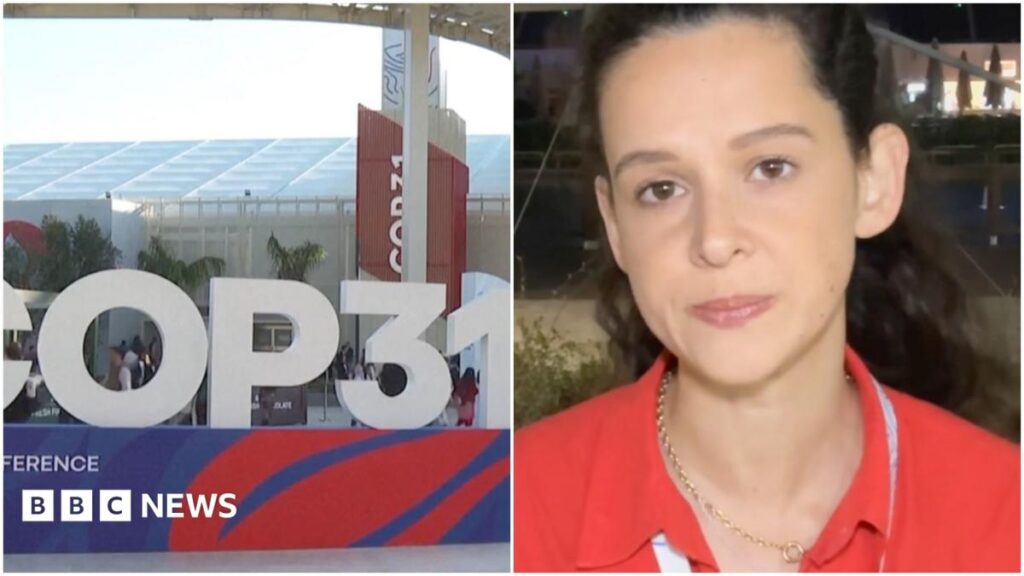
The 2026 United Nations Climate Conference, COP31, was the first UNFCCC summit hosted on the continent, with Lagos, Nigeria, serving as the venue. African delegations entered the talks with heightened expectations after the continent’s climate losses surged past US$30 billion last year, according to the African Climate Policy Centre. The host country promised a “climate‑justice” agenda that would prioritize loss‑and‑damage financing, technology transfer, and a binding adaptation pathway for vulnerable economies.
For many African nations, the stakes are existential. Rising temperatures are already shrinking harvest windows for staple crops such as millet and maize, while coastal cities like Lagos and Accra face accelerating sea‑level rise. The continent’s share of global emissions is under 5 percent, yet it bears roughly a third of climate‑related economic damage, a disparity that has driven calls for a “fair share” of the US$100 billion annual climate finance pledge first made at COP15 in 2009.
The political context also amplified the summit’s importance. The African Union’s Climate Change and Sustainable Development Agency had secured a historic consensus on a continent‑wide adaptation fund in early 2026, which required international backing at COP31 to become operational. In addition, the African diaspora in Europe and North America mobilised large‑scale advocacy campaigns, demanding that the negotiations translate into tangible cash flows for communities most at risk.
What went wrong: the key sticking points that stalled a deal
Negotiations collapsed two days before the scheduled deadline, leaving the summit without a final communiqué. The most contentious issue was the definition and financing of loss‑and‑damage. Developed‑country blocs insisted on a voluntary, “pilot‑project” approach, while African delegations demanded a legally binding fund with guaranteed contributions of at least US$20 billion per year, a figure cited by the African Development Bank as the minimum to cover current and projected losses.
A second flashpoint involved the pace of emissions reductions. The draft text proposed a 30 percent cut in global greenhouse‑gas output by 2030, a target many African negotiators argued was unattainable for low‑income economies still expanding their energy access. They pushed for a differentiated pathway that would allow a slower transition in exchange for accelerated finance and technology transfer, a compromise that the European Union refused to endorse without stricter mitigation language.
Finally, the issue of carbon‑credit accounting sparked a showdown. Several African countries, led by Kenya and South Africa, called for the removal of “double‑counting” loopholes that enable wealthy nations to claim credits from projects located on the continent while the host communities see little benefit. The United States, according to reports from the Climate Action Tracker, resisted a full overhaul, citing concerns over market stability.
Immediate fallout for African economies and the climate‑justice movement
The absence of a binding agreement threatens to widen the financing gap that already forces many African governments to divert funds from health and education to climate adaptation. The African Development Bank warned that without the promised US$20 billion annual loss‑and‑damage contribution, the continent could face an additional US$12 billion in unmitigated damages by 2030, a shortfall that would exacerbate debt vulnerabilities.
Civil‑society groups across the continent have taken to the streets, organising “Climate Justice Now” rallies in Nairobi, Accra, and Johannesburg. These protests underscore a growing frustration that African voices are being sidelined in global climate governance. The diaspora has amplified the message on social media, with hashtags like #NoDealNoJustice trending across Twitter and TikTok, pressuring Western governments to honour their pledges.
On the private‑sector front, investors are reassessing risk models that previously assumed a stable climate‑policy environment. A report from the African Private Equity and Venture Capital Association noted that several climate‑focused funds are pausing new commitments until clearer financing mechanisms emerge, potentially slowing the rollout of renewable‑energy projects that could have created up to 1.2 million jobs by 2035.
How African leaders are recalibrating their strategy post‑COP31
In the days following the summit, the African Union’s climate chief, Dr. Amina J. Kone, announced a “regional resilience pact” that will pool resources from member states to launch a continent‑wide early‑warning system for extreme weather. The pact, slated for signing at the upcoming African Climate Summit in Addis Ababa, aims to reduce reliance on external finance by leveraging intra‑African investment.
Nigeria’s Ministry of Environment, meanwhile, is pursuing bilateral agreements with China and the Gulf states to secure renewable‑energy infrastructure financing outside the UNFCCC framework. Sources say the government is in advanced talks to fund a 5‑gigawatt solar park in the northern Sahel, a project that could offset up to 12 million tonnes of CO₂ annually.
Youth movements such as the African Youth Climate Coalition have shifted tactics, focusing on legal avenues. They are preparing a petition to the International Court of Justice that argues the failure to provide loss‑and‑damage finance violates the principle of “common but differentiated responsibilities” enshrined in the UN Charter. Legal scholars note that while the case faces jurisdictional hurdles, it could set a precedent for future climate‑law battles.
What’s next: the road to COP32 and the search for alternative pathways
The next UN climate summit, COP32, is scheduled for 2027 in Nairobi, Kenya. Analysts predict that the lack of a COP31 outcome will intensify pressure on the host nation to deliver a breakthrough, especially on finance. The African climate bloc has already drafted a “Nairobi Blueprint” that outlines a concrete roadmap for loss‑and‑damage funding, including a tiered contribution schedule linked to each developed country’s GDP growth.
In parallel, multilateral development banks are piloting a “climate‑impact bond” that would allow private investors to fund adaptation projects in exchange for returns tied to measurable reductions in disaster‑related losses. Early pilots in Mozambique and Senegal have shown promising results, suggesting a viable complement to the stalled UN negotiations.
For the diaspora, the post‑COP31 landscape presents new opportunities to channel remittances into climate‑resilient ventures. Platforms such as AfriGreen Capital are launching tokenised investment products that let overseas Africans invest directly in community‑owned solar farms. If successful, these mechanisms could bypass the political gridlock at the UN and deliver on‑the‑ground benefits while keeping the climate‑justice narrative alive.
Quick Answers
Did any agreement get signed at COP31?
No formal climate‑finance or loss‑and‑damage agreement was adopted at COP31; negotiations ended without a final communiqué.
What were the main reasons the talks broke down?
Key disagreements over legally binding loss‑and‑damage funding, differentiated emissions‑reduction pathways, and carbon‑credit accounting prevented consensus.
How will the lack of a deal affect African countries?
Without the pledged finance, many African states face a widening funding gap for adaptation, higher debt risk, and slower deployment of renewable‑energy projects.
Source: www.bbc.co.uk




💬 Comments 0