COP31 deadlock over fossil fuel language stalls climate deal, Nigeria warns of energy crisis 2026
Background: Why COP31 was supposed to be different
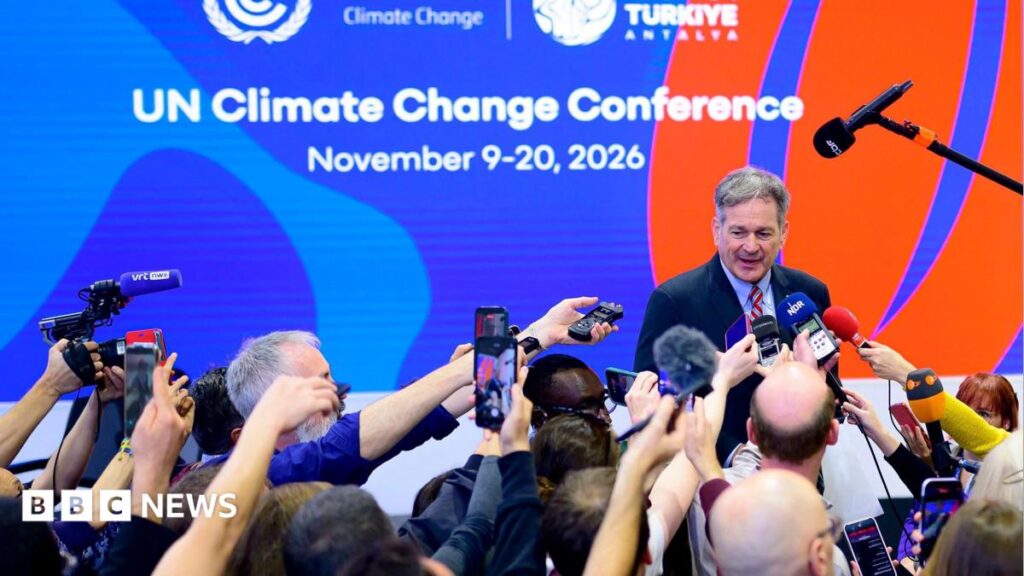
The 31st UN climate conference, hosted by the United Arab Emirates in Dubai, was billed as a make‑or‑break moment for the Paris Agreement’s ‘global stocktake’. Nearly 200 parties were expected to agree on a new, more ambitious mitigation pathway that would close the emissions gap for 2030 and set a trajectory for net‑zero by mid‑century.
Unlike previous COPs, Dubai’s agenda included a controversial clause on ‘phasing‑down’ unabated fossil fuel production, a demand championed by the African Group of Negotiators, the Caribbean, and many Small Island Developing States. The wording was meant to push major oil‑exporting countries to curb new hydrocarbon projects and to align finance with the 1.5°C target.
However, the same meeting also saw a strong push from the G77+China bloc and the European Union to keep the language vague, arguing that strict phrasing could jeopardise energy security in developing economies that still rely heavily on oil and gas revenues.
The deadlock: What the negotiations stalled on
The core of the impasse is a single paragraph that would obligate signatories to “phase‑down” unabated coal, oil and gas production. The EU and a handful of progressive states proposed the phrase “phasing‑down”, while the oil‑rich nations, led by Saudi Arabia and Nigeria, demanded the softer term “phasing‑out”. The difference may seem semantic, but it determines whether future funding can be tied to concrete production cuts.
During the final two days of the summit, negotiators could not bridge the gap, and the draft text was left in a “parliamentary‑style” deadlock. According to the UNFCCC, the document will be revisited at COP32 in 2027, but the lack of consensus now means no new legally binding commitments will be adopted this year.
The stalemate also exposed a broader power struggle: climate‑rich nations are pushing for a rapid transition, while fossil‑fuel‑dependent economies argue that abrupt cuts would destabilise their fiscal balances, increase unemployment, and trigger social unrest.
Why the deadlock matters for Africa and the Global South
Africa contributes roughly 3% of global emissions yet bears more than a third of climate‑related losses, according to the World Bank’s 2024 Climate Risk Index. The inability to secure a firm phase‑down clause means that climate finance flows tied to emission reductions remain uncertain, leaving many African countries without the promised $100 billion annual support.
Nigeria, Africa’s largest oil producer, has publicly warned that an unfavourable outcome could deepen its fiscal deficit. The Ministry of Finance estimates that oil revenues will account for about 30% of the national budget in 2026; any abrupt curtailment of production without a clear transition plan could force the country to tap emergency reserves or raise taxes, both politically volatile moves.
At the same time, renewable‑energy investors are watching the deadlock closely. A clear phase‑down signal would accelerate green‑bond issuance and attract private capital to solar and wind projects across the continent. The current ambiguity may delay projects that could otherwise create up to 4 million jobs by 2035, as projected by the African Development Bank.
Reactions from African leaders, NGOs and the private sector
President Cyril Ramaphosa, speaking on behalf of the African Union, called the stalemate “a missed opportunity to lock in a just transition for our continent”. He urged the UAE to convene a high‑level African‑led summit before COP32 to flesh out financing mechanisms that do not hinge solely on fossil‑fuel cuts.
Local climate NGOs, such as Climate Action Africa, argued that the deadlock reflects a “colonial‑style” climate negotiation where the voices of those most affected are sidelined. In a joint statement, they demanded a dedicated fund for energy‑transition pilots in sub‑Saharan nations, citing successful case studies in Kenya’s geothermal corridor and Morocco’s solar complex.
On the corporate side, African oil majors like TotalEnergies Nigeria and Sonatrach have announced internal “net‑zero by 2050” roadmaps, but they stress that any external pressure must be matched with technology transfer and capacity‑building support, echoing the “just transition” language that was diluted in the final text.
What could break the stalemate: Possible diplomatic pathways
One realistic avenue is a “bridge language” compromise that separates the phase‑down commitment from immediate production cuts, instead linking it to a transparent, time‑bound financing schedule. This approach was floated by the International Energy Agency, which suggested a “phased‑in” model that ties reductions to the availability of renewable‑energy infrastructure in each country.
Another lever is the growing influence of climate‑linked sovereign bonds. Several African states, including Kenya and Ghana, have already issued green bonds that tie repayment terms to emissions‑reduction milestones. If a consensus on a global phase‑down is reached, these instruments could be scaled up, creating a market‑driven incentive for governments to adopt stricter targets.
Finally, civil‑society pressure is mounting. In Lagos, Accra, and Johannesburg, coordinated protests have drawn attention to the human cost of climate inaction. Such mobilisation could push domestic parliaments to demand clearer commitments from their negotiators, thereby reshaping the internal calculus of oil‑dependent nations.
Looking ahead: Scenarios for COP32 and beyond
If the Dubai deadlock persists, the most likely scenario is a “soft‑landing” at COP32, where parties agree on a non‑binding statement that reaffirms the Paris goals but postpones concrete production limits. This would keep the climate finance pipeline tentative and could delay the deployment of critical adaptation projects in flood‑prone African river basins.
Conversely, a breakthrough could emerge from a coalition of vulnerable nations that leverages the upcoming UN Climate Adaptation Summit in Nairobi (2027) to demand a binding phase‑down clause as a pre‑condition for any new finance package. Such a move would force oil‑rich governments to confront the fiscal implications head‑on, potentially accelerating diversification strategies.
Regardless of the outcome, the deadlock underscores a structural tension that will shape climate diplomacy for the next decade: the need to balance rapid decarbonisation with the economic realities of countries still climbing out of poverty. For African policymakers, the challenge will be to turn this tension into leverage that secures both climate resilience and a sustainable energy future.
Quick Answers
What caused the deadlock at COP31?
Negotiators could not agree on wording for a clause that would ‘phase‑down’ unabated fossil‑fuel production, with oil‑rich countries pushing for softer language.
How does the COP31 stalemate affect Nigeria?
Nigeria warns that without clear phase‑down commitments and accompanying finance, its oil‑dependent budget could face deficits, hindering the country’s transition to renewable energy.
What are the chances of a new climate agreement at COP32?
Experts say a binding agreement is uncertain; a likely outcome is a non‑binding statement unless vulnerable nations force a compromise tied to finance and technology transfer.
Source: www.bbc.co.uk



💬 Comments 0