Copa del Rey matches postponed after Toledo train crash kills 9 – impact on clubs, African players and fans
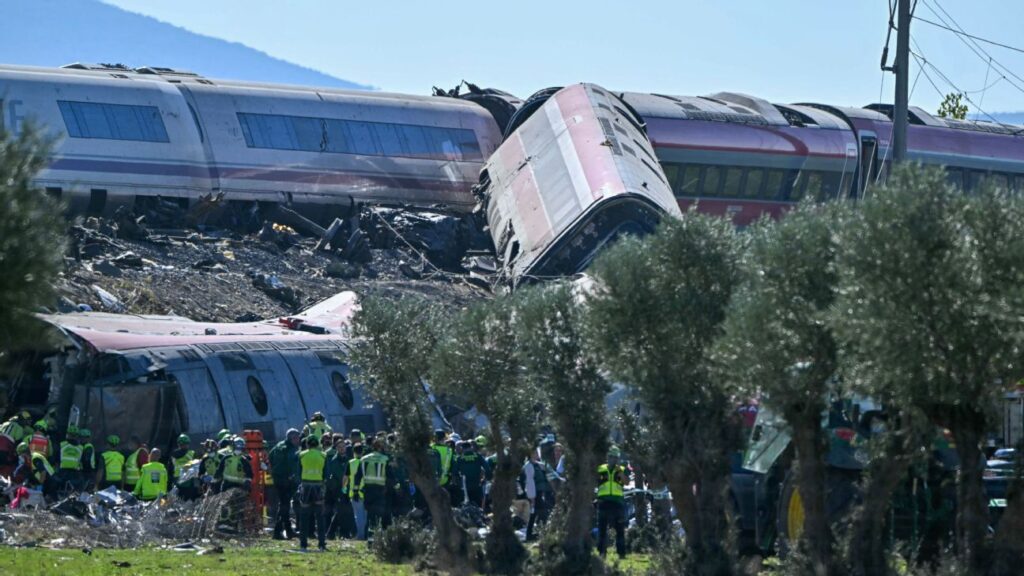
The tragedy that halted Spain’s football calendar
On October 27, 2026, a passenger train derailed near the historic city of Toledo, leaving nine dead and dozens injured. Emergency services rushed to the scene, and the nation entered a period of mourning as officials confirmed the severity of the accident. The incident struck at a time when the Copa del Rey first‑round fixtures were set to kick off across the country, prompting the Royal Spanish Football Federation (RFEF) to intervene.
In a statement released late on Saturday, the RFEF announced that 24 first‑round matches would be postponed as a "mark of respect" for the victims and their families. The decision mirrored previous actions taken after national tragedies, showing how sport can serve both as a unifying force and a platform for collective grief. The postponements affect clubs from La Liga’s giants to lower‑division sides that rely heavily on cup revenue.
The federation’s move also underscored the delicate balance between honoring public sentiment and maintaining the logistical flow of a packed football calendar. While some critics argued that the matches could have proceeded with moments of silence, the consensus among most clubs and fan groups was that a pause was the appropriate response.
Financial and logistical ripples for clubs and broadcasters
For many of the smaller clubs drawn against top‑flight opponents, the Copa del Rey represents a vital source of income. Ticket sales, hospitality packages, and the exposure that comes with a televised match can make the difference between profit and loss for a season. The sudden postponement threatens to erode those earnings, especially as rescheduling may push the games into less favourable time slots or conflict with league fixtures.
Broadcasters, too, face a scramble. Spain’s primary sports networks have already sold advertising slots linked to the original match dates. Moving the games will require renegotiating contracts, potentially reducing the value of the exposure they receive. According to a source at a leading broadcaster, the financial hit could run into the low‑millions of euros when factoring in lost ad revenue and production costs.
Logistically, clubs now have to re‑book stadium staff, security, and transport for players and fans. This adds an administrative burden that stretches already thin resources. Some clubs have indicated they will seek compensation from the federation, citing precedents set after the 2020 pandemic‑related disruptions.
African players and fans caught in the fallout
A notable proportion of the squads involved in the postponed fixtures feature African talent. Players such as Senegalese striker Sadio Mané (now with Real Betis) and Nigerian midfielder Wilfred Ndidi (on loan at Sevilla) were slated to showcase their abilities on a national stage that often attracts scouts from abroad. Missing the exposure could delay potential transfers or affect contract negotiations that hinge on cup performances.
The diaspora community in Spain, which includes sizable Nigerian, Ghanaian, and Moroccan populations, traditionally gathers in bars and community centres to watch Copa del Rey matches. The postponement disrupts these social rituals, especially in cities like Madrid and Barcelona where African-owned establishments rely on football evenings for a significant portion of their weekly turnover.
Furthermore, the tragedy has sparked conversations on social media among African fans about transport safety, a topic that resonates strongly with migrant workers who frequently use regional trains to commute between jobs and homes. The incident has therefore become a point of solidarity, linking football fandom with broader concerns about everyday mobility.
Transport safety and its broader social implications
Spain’s rail network is generally praised for its efficiency, yet the Toledo crash has reignited debates over maintenance standards and emergency response protocols. Critics, including a parliamentary committee cited by El País, argue that aging infrastructure in less‑urbanised provinces receives insufficient oversight, a gap that can have disproportionate effects on lower‑income communities who depend on affordable train travel.
African migrants, many of whom work in construction, agriculture, or service sectors across Castilla‑La Mancha, often travel by train to reach employment hubs. The accident thus raises concerns about the safety of a transport mode that is vital for their economic survival. NGOs working with migrant populations have called for a transparent investigation and stronger safety guarantees.
If the investigation uncovers systemic issues, it could trigger regulatory reforms that impact not only passenger services but also freight lines that move goods across the Iberian Peninsula. Such changes could reverberate through supply chains, influencing the cost of imported African products that are sold in Spanish supermarkets and online platforms.
What this says about sport’s response to national mourning
The decision to postpone the Copa del Rey matches aligns with a longstanding tradition in European sport: halting competition to honour victims of tragedy. Similar actions were taken after the 2016 Brussels bombings, when the Belgian Pro League paused, and after the 2023 plane crash that claimed the lives of several Turkish football officials. These precedents illustrate how governing bodies balance commercial pressures with societal expectations.
In Spain, the RFEF’s swift response was praised by the Spanish Footballers' Association, which noted that “football does not exist in a vacuum; it reflects the pulse of the nation.” The sentiment reflects a cultural understanding that sport can serve as a platform for collective mourning, providing a space for tributes and solidarity.
However, some analysts caution that repeated postponements could erode fan confidence if not managed transparently. A recent study by the University of Granada suggests that frequent schedule disruptions may lead to lower attendance in subsequent matches, especially among younger fans who value consistency.
Looking ahead: rescheduling and the road to recovery
The RFEF has indicated that the postponed fixtures will be replayed in early November, once the mourning period officially ends. This timing, however, creates a congested calendar, as clubs will also be preparing for La Liga fixtures, European competition qualifiers, and the upcoming international break. Coaches are expected to rotate squads heavily to avoid player fatigue, a challenge that could affect performance in both domestic and continental tournaments.
For broadcasters, the new dates may clash with other high‑profile events, potentially diluting viewership numbers. Some networks are already negotiating to shift the matches to secondary channels, a move that could affect advertising revenue but ensures the games are still televised for fans.
In the longer term, the incident may prompt the RFEF to formalise a contingency protocol for future emergencies, including clearer guidelines on compensation for affected clubs and a framework for communicating with diaspora communities. Such measures would aim to minimise financial disruption while preserving the sport’s role as a unifying cultural force.
Quick Answers
Why were Copa del Rey matches postponed after the Toledo train crash?
The Royal Spanish Football Federation postponed 24 first‑round games as a mark of respect for the victims and to allow a national mourning period.
How many Copa del Rey fixtures were affected by the postponement?
A total of 24 first‑round matches were delayed following the accident.
Which African players could be impacted by the Copa del Rey postponement?
Players such as Sadio Mané (Real Betis) and Wilfred Ndidi (on loan at Sevilla) were slated to feature in the postponed games, potentially missing a key showcase.
Source: www.espn.com



💬 Comments 0