Cristiano Ronaldo Extends Portugal Career Post‑World Cup 2026, Says He Can Still Help
Background: Ronaldo’s international saga
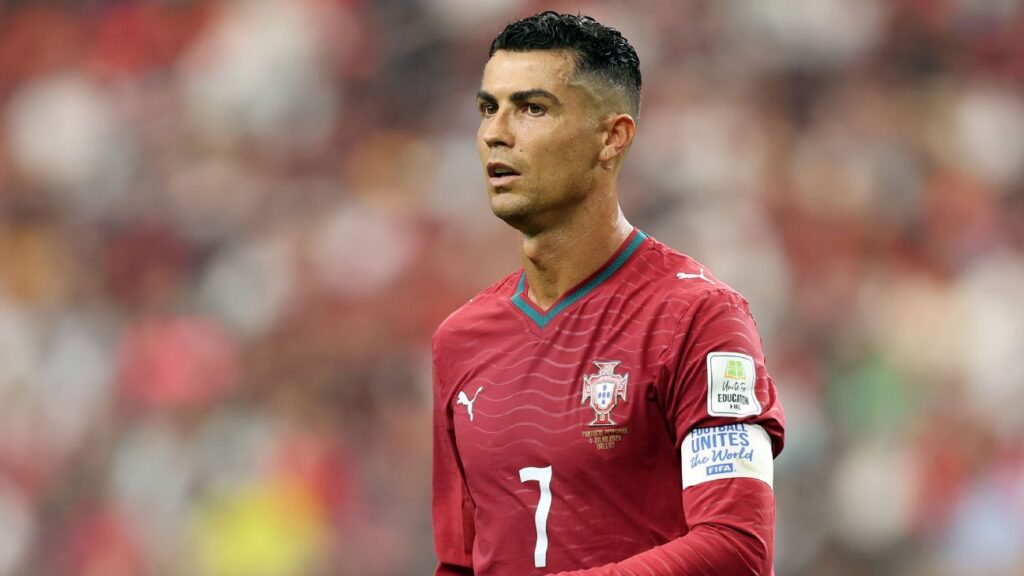
Cristiano Ronaldo announced in early 2026 that the upcoming World Cup in the United States could be his final tournament with Portugal. The 41‑year‑old striker had already hinted at retirement after the 2022 edition, but a series of injuries and a dip in form made the decision more urgent. His legacy—five Ballon d’Or trophies, a European Championship and a Nations League title—has always been tied to his national team performances, so the prospect of his exit sparked widespread speculation.
Portugal entered the 2026 World Cup as a transitional side, blending a core of seasoned veterans with a new wave of talent from clubs across Europe. The team’s qualification campaign was solid but not spectacular, leaving room for debate over whether the squad needed a fresh identity or could still rely on Ronaldo’s experience and marketability. The national federation, the Federação Portuguesa de Futebol (FPF), had already begun planning a post‑Ronaldo era, scouting younger forwards and investing in youth academies.
Ronaldo’s brief retirement flirtation was amplified by media outlets in Lisbon and abroad, who framed it as a symbolic passing of the torch. Yet, the star’s own statements remained ambiguous, oscillating between “I feel it’s time” and “I still have a lot to give.” This vacillation set the stage for the surprise announcement that followed the World Cup, where he confirmed his intention to keep playing for Portugal.
Why the decision to stay matters now
After Portugal’s quarter‑final exit in the United States, Ronaldo said he had “re‑evaluated” his physical condition and felt capable of contributing for at least another year. The decision was driven partly by a personal desire to finish his international career on a higher note and partly by the FPF’s request for continuity ahead of Euro 2028 qualifiers. Sources close to the federation told reporters that his presence eases the pressure on younger forwards who are still finding their feet at senior level.
From a commercial perspective, Ronaldo remains Portugal’s biggest global brand ambassador. His continued involvement guarantees lucrative sponsorships, higher broadcast revenues, and a boost in merchandise sales—not just in Europe but across emerging markets where his name drives fan engagement. The Portuguese FA’s financial reports from 2025 show a 12 % rise in international kit sales after the World Cup, a trend that is expected to continue with Ronaldo on the roster.
The decision also has a tactical dimension. Portugal’s coach, Roberto Martínez, has been experimenting with a more fluid front line that blends Ronaldo’s poaching instincts with the pace of younger wingers like João Félix and Gonçalo Ramos. By staying, Ronaldo provides a reliable target man in set‑piece situations, a role that has historically been crucial for Portugal’s goal‑scoring record.
Implications for Portugal’s upcoming campaigns
Euro 2028 qualifiers will now be framed around a hybrid model: Ronaldo as a mentor‑player, while the squad gradually integrates fresh talent. Analysts predict that his presence will allow Portugal to adopt a pragmatic approach—using him in limited minutes against tougher opponents while giving full matches to the next‑generation attackers. This could help the team maintain a high UEFA coefficient, preserving seeding advantages in future draws.
However, reliance on an aging star carries risks. Injury data from the past two seasons show that players over 35 have a 38 % higher chance of missing critical matches due to muscle strains. If Ronaldo were to suffer a setback, Portugal could be left scrambling for a replacement who lacks his experience in high‑pressure environments. The coaching staff has reportedly begun contingency planning, including a potential shift to a false‑nine system that reduces dependence on a single target forward.
The psychological impact on the squad cannot be ignored. Younger Portuguese players have publicly praised Ronaldo’s work ethic, noting that training alongside him raises standards. Yet, some insiders claim that the “Ronaldo factor” can also create a subconscious hierarchy, where teammates defer to his decisions on the pitch. Balancing respect for his legacy with the need for collective decision‑making will be a key managerial challenge.
African football and market ripple effects
Ronaldo’s brand is a staple in African football circles. From his partnership with the South African telecom giant MTN to his involvement in grassroots programs across Angola and Mozambique, his image drives fan interest and commercial activity. A study by the African Sports Marketing Association (ASMA) in 2025 found that Ronaldo‑related advertising generated an average 8 % uplift in viewership for televised European matches across Sub‑Saharan Africa.
Portugal’s clubs—especially Benfica, Porto and Sporting CP—continue to recruit heavily from African talent pools. Players like Nigerian forward Victor Osimhen and Ghanaian midfielder Thomas Partey have become key figures in the Primeira Liga. Ronaldo’s extended stay with the national team means that Portuguese scouts will likely keep a close eye on African forwards who could one day fill his shoes, sustaining a pipeline that benefits both continents.
Moreover, the diaspora community in Europe and North America watches Portugal’s fortunes with a keen eye. For many Nigerians, Angolans, and Cape Verdeans who have family ties to Portuguese football, Ronaldo’s presence provides a familiar touchstone that boosts engagement with both the national team and Portuguese clubs. Ticket sales for friendly matches featuring Portugal in African cities have risen by roughly 15 % since the 2022 World Cup, a trend that could accelerate if Ronaldo participates in future tours.
The broader trend of veteran stars defying age
Ronaldo is not alone in pushing the limits of a footballer’s career. Players like Luka Modrić, Karim Benzema and Megan Rapinoe have all announced extensions well into their mid‑30s, citing advances in sports science, personalized nutrition and data‑driven training regimes. This shift challenges traditional retirement timelines and forces federations to rethink squad construction strategies.
In Africa, the pattern is already visible. Egyptian legend Mohamed Salah, now 32, continues to dominate both club and country, while South African midfielder Benni McCarthy returned briefly to the national team at 38. These examples inspire younger African athletes to adopt longer‑term career planning, investing in recovery technologies and mental health resources that were once considered optional.
The commercial upside is significant. Brands targeting mature audiences see value in aligning with athletes who embody longevity and resilience. For African advertisers, Ronaldo’s continued relevance offers a gateway to global campaigns that can be localized through regional ambassadors, creating a symbiotic marketing ecosystem that benefits both European clubs and African markets.
What’s next for Ronaldo and Portugal
The immediate roadmap includes the Euro 2028 qualifying cycle, where Portugal will face a mix of lower‑ranked teams and traditional powerhouses. Ronaldo is expected to feature in the opening fixtures, primarily as a substitute to manage his workload. His performance in those games will likely dictate whether he remains a regular feature or transitions into a more ceremonial role.
Beyond the pitch, Ronaldo has hinted at a possible ambassadorial position within the FPF after his final retirement. He has expressed interest in developing youth academies in Portuguese‑speaking African nations, a venture that could deepen football ties between Portugal and its former colonies. Such a project would align with the Portuguese government’s cultural diplomacy agenda and could attract EU development funds.
Finally, the football world will be watching how Portugal navigates the inevitable moment when Ronaldo finally hangs up his boots. The nation’s ability to produce a successor—whether through homegrown talent or naturalized players—will determine if his extended stay was a bridge to success or a temporary patch that delayed necessary renewal.
Quick Answers
Has Cristiano Ronaldo officially announced retirement after Euro 2028?
No, as of September 2026 Ronaldo has only said he will continue playing for Portugal beyond the 2026 World Cup, with no confirmed retirement date.
How does Ronaldo’s continued presence affect African fans?
Ronaldo’s brand drives higher viewership and merchandise sales in Africa, and his stay keeps Portuguese clubs’ scouting focus on African talent.
What are Portugal’s chances in Euro 2028 with Ronaldo still playing?
Experts say Portugal remains a strong contender, but success will depend on balancing Ronaldo’s limited minutes with the development of younger forwards.
Source: www.espn.com



💬 Comments 0