Cyclospora Outbreak 2026 Triggers US Salad Chain Traffic Drop, Impacting African Produce Imports
Background: Cyclospora and the salad boom
Cyclospora cayetanensis is a microscopic parasite that spreads through contaminated fresh produce, especially leafy greens. Since early 2024, the United States has recorded more than 2,000 confirmed cases, with peaks in the summer months when salad consumption traditionally spikes.
The rise of fast‑casual salad chains over the past decade turned mixed greens into a staple for health‑conscious diners. According to the National Restaurant Association, salad‑centric concepts grew at an average annual rate of 7 percent before the recent outbreaks, fueling a $12 billion market segment.
Public health agencies have issued advisories urging consumers to wash produce thoroughly and, in some cases, to avoid pre‑packaged salads altogether. These warnings have begun to echo beyond the kitchen, influencing foot traffic at restaurants that rely heavily on ready‑to‑eat greens.
The current dip in US salad‑chain traffic
Data from location‑analytics firm Placer.ai shows a 23 percent decline in visits to the top five salad‑chain brands between June and August 2026, compared with the same period in 2025. The drop is most pronounced in states that reported the highest Cyclospora case counts, such as Florida, Texas, and California.
Chain operators confirm that average ticket sizes have also shrunk, with many customers substituting the salad bar for cooked entrees or opting for take‑away options that omit raw greens. A spokesperson for a major chain told Bloomberg that “consumer confidence in raw produce is at an all‑time low” following the latest CDC alert.
The revenue impact is already measurable. Industry analysts estimate that the sector could lose up to $850 million in 2026 if the outbreak persists, a figure that rivals the loss experienced during the 2015 E. coli spinach scare.
Why it matters: food safety perception and supply‑chain ripple effects
Food‑borne illness outbreaks do more than cause temporary discomfort; they reshape how people think about safety, traceability, and value. The Cyclopsora episode is prompting a wave of demand for third‑party testing, blockchain‑based provenance, and more stringent farm‑level sanitation protocols.
Growers and distributors are scrambling to meet the heightened scrutiny. In California’s Salinas Valley, where 40 percent of the nation’s lettuce originates, farms are investing in ultraviolet water treatment and real‑time microbial monitoring, adding an estimated $15 million in operational costs this year.
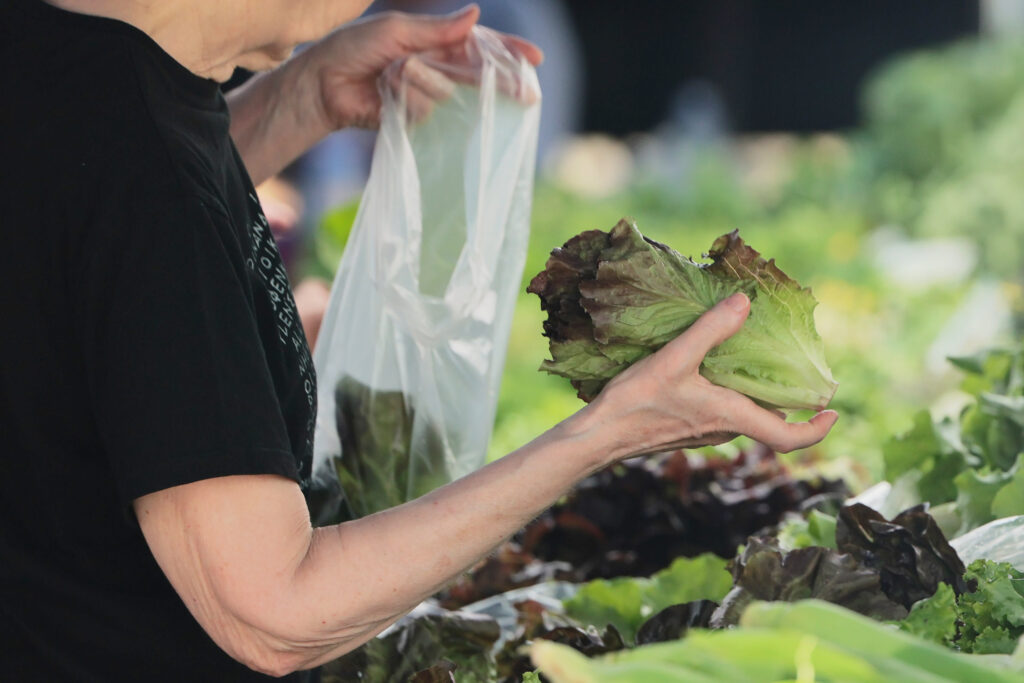
Retailers, too, are re‑evaluating shelf‑life strategies. Some supermarkets have begun pulling pre‑cut salad mixes from shelves in affected regions, replacing them with whole‑head lettuce that can be washed by shoppers at home, a move that could shift the balance of power toward bulk produce suppliers.
African angle: import dynamics, diaspora demand, and new market opportunities
The United States imports roughly 1.2 million metric tons of leafy greens annually, with a growing share coming from East African countries such as Kenya and Ethiopia, where export‑oriented farms have positioned themselves as “clean‑grown” alternatives to domestic produce.
Diaspora communities in New York, Chicago, and Houston have historically relied on imported African greens for traditional dishes. According to a 2025 survey by the African Business Council, 38 percent of African‑origin consumers in the U.S. purchase at least one African‑grown vegetable each week, a figure that is expected to rise as domestic salad confidence wanes.
Industry insiders say the Cyclospora scare could accelerate this shift. Kenyan exporter FreshLeaf Ltd. announced plans to double its shipments to the U.S. by the end of 2026, citing “increased demand for verified safe produce from trusted African partners.” If successful, this could open a new revenue stream for smallholder farmers and reinforce Africa’s role in the global fresh‑produce value chain.
Broader pattern: food‑borne scares and changing consumer habits
Cyclospora is not the first parasite to dent the salad market. The 2015 spinach E. coli outbreak, the 2018 romaine lettuce Listeria incident, and the 2022 hepatitis A cases linked to cilantro all triggered short‑term sales slumps followed by longer‑term shifts toward cooked or plant‑based alternatives.
A 2023 Nielsen report noted that after each major outbreak, consumers tend to increase purchases of frozen vegetables, canned beans, and plant‑based meat substitutes, while raw greens experience a prolonged recovery period of 12‑18 months.
These patterns suggest that the current dip may not be merely a seasonal blip. If confidence does not rebound, salad chains could see a permanent reallocation of menu focus, potentially reshaping the fast‑casual landscape toward more heat‑prepared or hybrid offerings.
What’s next: industry response, regulation, and innovation
The Food and Drug Administration has pledged to tighten testing requirements for imported leafy greens, aiming to reduce the time between sample collection and result reporting from 14 days to under five. This regulatory push is expected to benefit exporters who can demonstrate rapid compliance, such as those using rapid PCR kits on the farm floor.
Tech startups are seizing the moment. Nairobi‑based AgriTrace has rolled out a blockchain platform that logs every step of a lettuce’s journey—from seed to shelf—allowing U.S. retailers to verify origin with a QR code scan. Early pilots indicate a 30 percent increase in consumer willingness to purchase traced greens.
For consumers, the immediate takeaway is to practice rigorous home washing, consider whole‑head produce over pre‑cut mixes, and stay informed through official health alerts. For the industry, the lesson is clear: transparency and rapid response are no longer optional—they are the new baseline for maintaining market share in a world where a microscopic parasite can reshape dining habits overnight.
Quick Answers
Why have US salad chain visits dropped in 2026?
Visits fell about 23 percent after a Cyclospora outbreak prompted health warnings that discouraged customers from eating pre‑packaged raw greens.
How could the Cyclospora scare affect African lettuce exporters?
US demand for trusted foreign produce is rising, prompting exporters like Kenya’s FreshLeaf Ltd. to increase shipments and potentially open new markets for African smallholder farmers.
What steps are being taken to prevent future Cyclospora outbreaks?
The FDA is tightening import testing timelines, while growers are adopting advanced water treatment and blockchain traceability to improve safety and transparency.
Source: www.cnbc.com




💬 Comments 0