Dangote refinery cuts Nigeria fuel imports 30% in 2026 but monopoly raises price fears
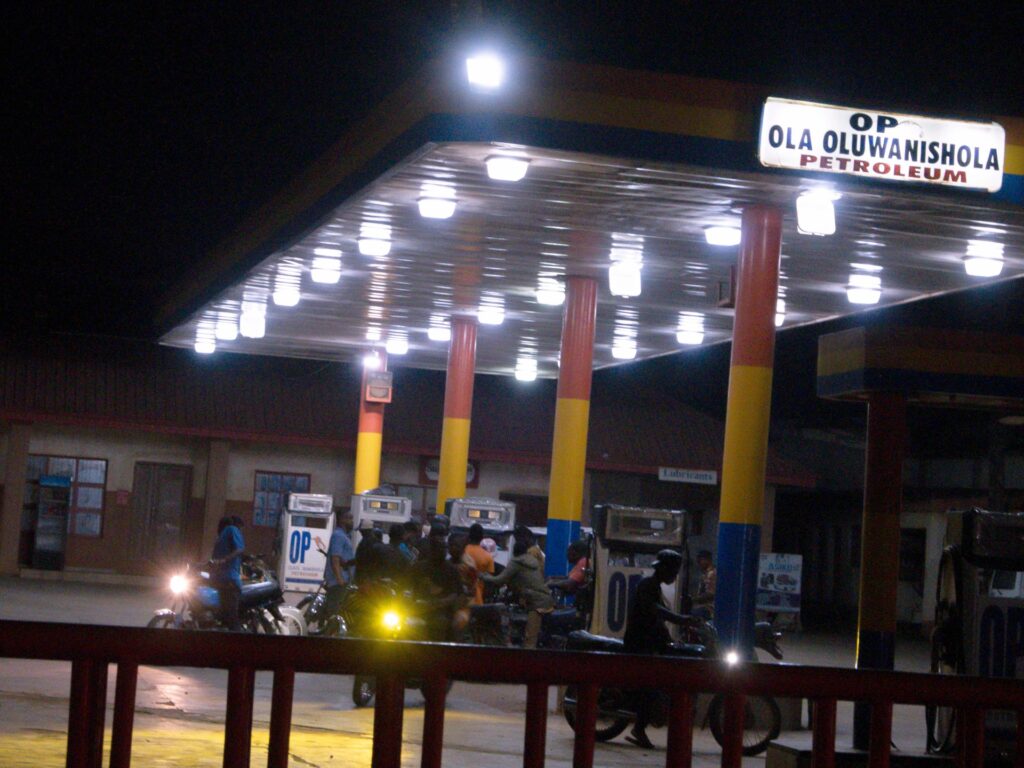
Background: Nigeria’s historic reliance on fuel imports
For decades, Nigeria has imported the bulk of its gasoline and diesel, despite being Africa’s largest oil producer. The country’s refining capacity was stuck at about 400,000 barrels per day (bpd) while demand surged past one million bpd, forcing the government to spend roughly $2 billion a year on foreign fuel. The mismatch created chronic shortages, long queues at petrol stations and a thriving black market that often sold fuel at double the official price. The National Petroleum Investment Office (NPIO) repeatedly warned that without a domestic refining breakthrough, the fiscal drain would worsen, especially as global oil prices remained volatile.
The turning point arrived in 2023 when Aliko Dangote, Africa’s richest businessman, inaugurated the 650,000‑bpd Dangote Refinery in Lagos. The plant promised to become the continent’s biggest single‑point refinery, capable of producing not only gasoline and diesel but also jet fuel, kerosene and petrochemical feedstocks. Its launch was hailed as a “refining revolution” that could finally turn Nigeria’s crude into home‑grown fuel, cut foreign exchange outflows and create a cascade of downstream jobs.
The Refining Revolution: What the Dangote plant has delivered so far
In its first full year of operation, the refinery is reported to have processed about 500,000 bpd of crude, translating into an estimated 30 % reduction in fuel imports for 2026, according to data released by the NNPC. The plant’s output has already supplied major metropolitan hubs such as Lagos, Abuja and Port Harcourt, and the surplus is being earmarked for export to neighboring West African markets under the ECOWAS trade protocol. The government’s budget documents show a modest decline in the monthly import bill, freeing up roughly $300 million in foreign exchange that can be redirected to infrastructure projects.
Beyond the macro‑economic numbers, the refinery has spurred a flurry of ancillary activity. Local logistics firms have secured contracts to transport refined products, while a new generation of small‑scale distributors has emerged, hoping to tap into a steadier supply chain. Moreover, the refinery’s petrochemical units are expected to feed a nascent plastics and fertilizers sector, which could lower the cost of everyday goods for ordinary Nigerians.
Monopoly Concerns: Why market concentration could undermine the gains
Despite the headline‑grabbing import cuts, many analysts warn that the sheer scale of Dangote’s operation creates a de‑facto monopoly in the downstream sector. The refinery controls roughly 70 % of the nation’s refined output, and the NNPC, which traditionally acted as the primary importer and distributor, now finds itself a minority player in a market dominated by a single private entity. Critics argue that such concentration gives Dangote the power to set wholesale prices, dictate terms to retailers and potentially marginalise smaller distributors who lack bargaining clout.
The regulatory framework for competition in Nigeria’s oil and gas sector remains weak. The Federal Competition and Consumer Protection Commission (FCCPC) has yet to publish clear guidelines on market dominance in the refining space, and the Ministry of Petroleum Resources has not introduced a price‑capping mechanism for refined products. As a result, consumer advocacy groups, such as the Consumer Advocacy Forum of Nigeria, have called for stricter oversight, warning that without it price hikes could quickly erode the benefits of lower import bills.
Implications for Everyday Nigerians: Prices, jobs and energy security
If the monopoly dynamics go unchecked, the most vulnerable Nigerians could feel the pinch. Fuel price inflation has already risen 8 % in the first quarter of 2026, a figure that some economists link to the limited competition in the wholesale market. Higher pump prices ripple through transport costs, food prices and even electricity tariffs for households that rely on diesel generators. On the other hand, the refinery has created over 12,000 direct jobs and an estimated 30,000 indirect positions, offering a tangible boost to local employment, especially in the Lagos‑Epe corridor.
Energy security is another double‑edged sword. While domestic production reduces exposure to global supply shocks, the concentration of supply in one facility makes the system vulnerable to operational hiccups. A single‑day shutdown for maintenance could temporarily shrink national fuel availability, forcing the government to revert to imports at short notice. This risk underscores the need for a diversified refining landscape that includes smaller, privately‑run plants and strategic reserves.
What’s Next: Policy options, regional export and the diaspora’s stake
The Nigerian government faces a critical policy crossroads. One option is to strengthen antitrust enforcement, requiring Dangote to share a portion of its output with licensed independent distributors at regulated prices. Another avenue is to fast‑track the licensing of additional refineries, such as the proposed Oando and Sahara Energy projects, to create a competitive pool. The Ministry of Finance has hinted at tax incentives for new entrants, aiming to dilute the current market concentration within the next three years.
Regionally, the surplus from Dangote’s refinery could turn Nigeria into a net exporter of refined fuel to West Africa, a development that would reshape trade balances and potentially lower fuel costs across the sub‑region. For the Nigerian diaspora, especially those investing in fintech and logistics startups, the expanding downstream ecosystem presents new opportunities for venture capital and cross‑border trade platforms. Monitoring how the monopoly issue evolves will be crucial for anyone with economic interests tied to West Africa’s energy future.
Quick Answers
How much has Dangote’s refinery reduced Nigeria’s fuel imports?
The refinery is credited with cutting imported gasoline and diesel by roughly 30 % in 2026.
What are the main concerns about a monopoly in Nigeria’s fuel market?
Critics warn that a single dominant player could set higher prices, limit supply to smaller distributors and curb competition.
Will Nigeria start exporting refined fuel after the refinery’s launch?
Yes, surplus production is earmarked for export to ECOWAS members, turning Nigeria into a potential regional fuel supplier.
Source: www.aljazeera.com




💬 Comments 0