Houthis seize strategic heights in Yemen as Trump aborts US strikes, 2026
Background: The Yemeni front and the Red Sea stakes
Since 2014, Yemen has been a battlefield between the Iran‑backed Houthi movement and a Saudi‑led coalition supporting the internationally recognised government. The war has morphed into a proxy contest that drags in the United States, the United Arab Emirates and, increasingly, global powers keen on securing Red Sea shipping lanes that funnel oil, gas and container traffic from Europe to Asia.
Control of high ground in the northern Saada governorate has long been a tactical prize for the Houthis. Elevation offers artillery advantage, better surveillance, and a staging point for attacks on the coalition’s supply routes that run close to the Bab al‑Mandab strait. In recent months, the Houthis have intensified their push to dominate these ridges, signalling a shift from guerrilla raids to conventional territorial gains.
The latest clash: Houthis capture key heights
On Sunday, Houthi forces launched a coordinated assault on the Al‑Hajri and Al‑Shamri hills, two positions that overlook the main road linking Saada to the coastal port of Al‑Hudaydah. Satellite imagery released by a humanitarian monitoring group showed the rebels entrenched on the summits within hours, while coalition air‑defence units scrambled to respond.
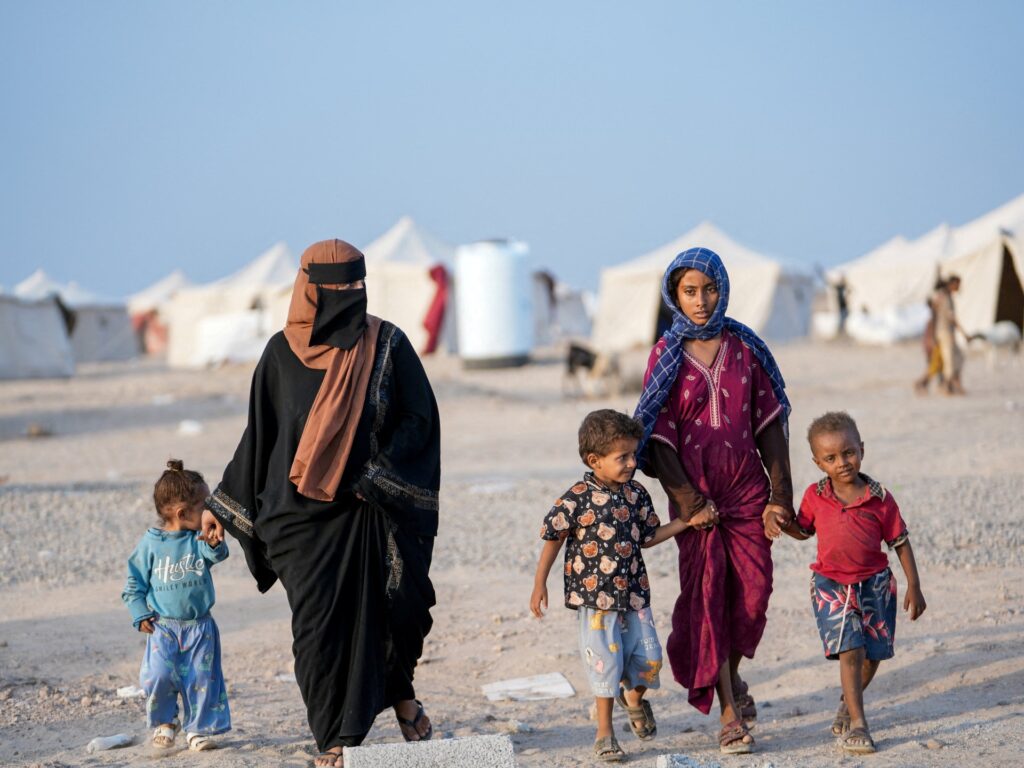
The fighting forced more than 4,000 civilians to flee their homes, joining an already massive displacement crisis that now exceeds 5 million people. Aid agencies warned that the newly captured terrain could block humanitarian convoys that rely on the same road, compounding shortages of food, medicine and clean water in already besieged communities.
Trump’s last‑minute call‑off: what it reveals about US policy
US media outlets reported that former President Donald Trump, speaking from a private residence in Florida, instructed the Pentagon to halt a planned strike package against Houthi positions just minutes before the operation was set to launch. The order, relayed through senior military officials, cancelled a wave of precision‑guided munitions that would have targeted the very hills now held by the rebels.
The abrupt cancellation underscores the volatility of US engagement in Yemen, where policy swings between aggressive strikes and diplomatic disengagement. Analysts note that Trump’s decision, though made after his 2024 term ended, reflects a lingering influence of former administrations on current defence contractors and the chain of command, creating uncertainty for coalition partners who depend on predictable US support.
Ripple effects for African trade and diaspora communities
The Red Sea is a lifeline for several African economies, most notably Kenya, Tanzania, Ethiopia and Djibouti, whose exports and imports flow through the Bab al‑Mandab corridor. Any escalation that threatens the security of that chokepoint can raise shipping insurance premiums, delay cargo, and ultimately increase the cost of goods ranging from coffee beans to construction steel across the continent.
For the Yemeni diaspora in East Africa—particularly in Nairobi’s Eastleigh district and Dar es Salaam’s Azania neighbourhood—the renewed fighting revives old trauma. Community leaders have warned that a surge in refugees could strain already overburdened host cities, while also prompting a wave of remittances that may temporarily buoy household incomes but also expose families to the volatility of conflict‑driven exchange rates.
What comes next: scenarios for Yemen and the region
If the Houthis consolidate their hold on the high ground, they could use the positions to launch longer‑range missile attacks on Saudi‑controlled ports, prompting a harsher coalition response that might include renewed US air strikes—provided Washington re‑engages. Such a spiral would likely deepen the humanitarian crisis and push more civilians toward the border with Saudi Arabia, where overcrowded camps are already teetering on collapse.
Conversely, diplomatic pressure from the United Nations and a coalition of African states—led by Kenya and Ethiopia, who have called for a ceasefire to protect maritime trade—could open a window for mediated talks. A negotiated pause, even if limited to the northern front, would allow humanitarian corridors to function and give aid agencies a chance to deliver life‑saving supplies to the millions still trapped in conflict zones.
Quick Answers
Why does the Houthi capture of high ground matter for global shipping?
Control of the hills lets the Houthis threaten the main road to Al‑Hudaydah, a key Red Sea port, potentially disrupting cargo flow through the Bab al‑Mandab strait.
How could Trump's last‑minute strike cancellation affect Yemen's war dynamics?
The cancellation removes immediate air pressure on the Houthis, allowing them to solidify gains and possibly emboldening further offensives.
What impact could the fighting have on African economies?
Increased insecurity in the Red Sea could raise shipping costs and delay goods for Kenya, Tanzania, Ethiopia and Djibouti, while refugee influxes may strain host cities in East Africa.
Source: www.aljazeera.com




💬 Comments 0