G7 foreign ministers demand Houthis stop Saudi strikes, warn Iran over arms supply, 2026
Background: The Red Sea conflict and the Houthis
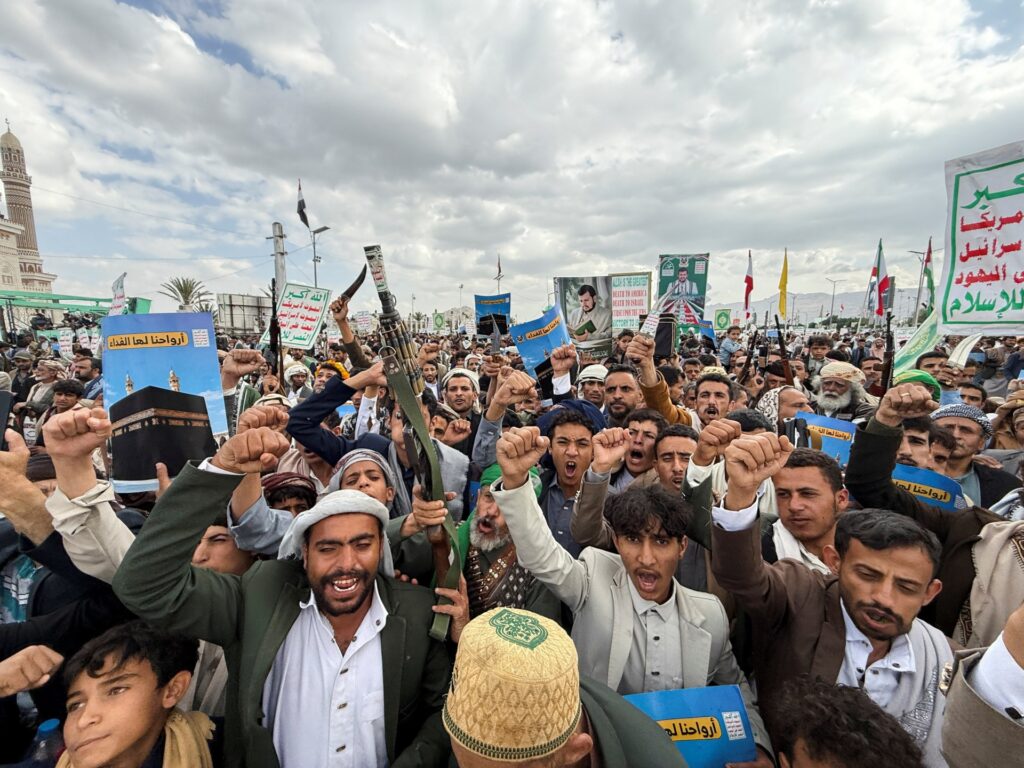
Since late 2023 the Yemeni Houthi movement has stepped up missile and drone attacks on Saudi Arabia and commercial vessels transiting the Red Sea. The campaign began as a protest against the Saudi‑UAE‑backed coalition that intervened in Yemen’s civil war, but it quickly morphed into a broader strategy to pressure Riyadh and disrupt global oil shipments. By mid‑2026, the Houthis claimed responsibility for more than 200 attacks on merchant ships, sinking several cargo carriers and prompting insurers to raise freight rates dramatically.
The Red Sea is a lifeline for more than 20 % of the world’s oil trade and a critical conduit for African exporters. Ports in Djibouti, Mombasa and Lagos rely on the narrow Bab al‑Mandeb strait to move crude, containers and agricultural goods to Europe and Asia. Any sustained disruption threatens not only global energy prices but also the revenue streams of African economies that depend on timely maritime access.
The G7 statement and its immediate demands
On 20 September 2026, foreign ministers from the United States, United Kingdom, France, Germany, Italy, Japan and Canada gathered in Brussels and issued a joint communique that condemned the Houthi attacks as “unlawful and destabilising”. The document called for an immediate cessation of all strikes on Saudi territory and a halt to attacks on commercial shipping, while urging Iran to end any military support it provides to the Yemeni group.
The G7 also announced a coordinated diplomatic push, including the prospect of targeted sanctions against individuals or entities linked to Iranian arms transfers. According to the German foreign ministry, the statement is meant to “reinforce the rules‑based international order and protect the free flow of trade through the Red Sea”. The communiqué did not specify concrete enforcement mechanisms, leaving analysts to wonder how the coalition will translate words into action.
Why the G7 warning matters for global trade and African economies
The most immediate impact of the G7’s demand is on freight insurance premiums. After the first wave of Houthi attacks in 2024, insurers raised the “War Risk” surcharge for Red Sea voyages by 30 %. A clear signal from the world’s leading economies could stabilize those costs, which directly affect the price of imported goods across Africa. Lower freight rates would help keep Kenyan tea, Nigerian cement and Ethiopian coffee competitive in European markets.
Beyond shipping costs, the conflict threatens the stability of oil supplies that many African oil‑producing nations rely on for foreign exchange. Nigeria, Angola and Sudan export a combined 2.5 million barrels per day through the Gulf of Aden. Any interruption forces these countries to reroute cargo around the Cape of Good Hope, adding up to 10 days to transit time and inflating logistics expenses. The G7’s stance, if it curtails attacks, could preserve a vital revenue stream for these economies.
The diaspora angle is also significant. African expatriates in the Gulf states and Europe watch the Red Sea developments closely because many of their families depend on remittances sent through Saudi‑based money‑transfer firms. A spike in shipping risk can ripple through the broader financial system, tightening liquidity and potentially slowing the flow of cash back home.
Regional dynamics: Iran's role and the broader proxy war
Iran’s alleged supply of missiles, drones and training to the Houthis is a long‑standing point of contention. Tehran denies direct involvement, but satellite imagery and intercepted communications, reported by the U.S. Central Command, suggest a steady flow of weapon components into Houthi‑controlled ports. The G7’s call for Tehran to stop arming the group is therefore both a diplomatic warning and a strategic attempt to cut the supply chain feeding the Red Sea attacks.
For African states bordering the Red Sea, especially Sudan and Eritrea, Iran’s involvement adds a layer of complexity. Both countries have fragile economies and are already navigating internal political transitions. An escalation that drags Iran deeper into the conflict could invite retaliatory strikes or broader sanctions that would further isolate these economies from international finance.
The pattern mirrors earlier proxy battles in Syria and Iraq, where external powers supplied militias to advance geopolitical goals. Analysts say the Red Sea is becoming the next theater for such indirect confrontations, with African nations caught in the crossfire not because they are primary actors, but because their trade arteries run through the contested waters.
What comes next: Possible scenarios and African stakes
If the G7 follows through with targeted sanctions on Iranian arms dealers, Tehran may retaliate by increasing support for the Houthis, potentially leading to a spike in attacks before any diplomatic de‑escalation takes hold. In that case, African shipping firms could be forced to adopt “risk‑avoidance corridors” that bypass the Bab al‑Mandeb, a move that would raise fuel consumption and carbon emissions – a concern for nations like Kenya that are pursuing greener trade routes.
Conversely, a coordinated diplomatic effort that includes regional actors such as the Arab League, the African Union and the Gulf Cooperation Council could produce a negotiated cease‑fire. Such an outcome would likely involve a humanitarian package for Yemen, something African NGOs have been lobbying for at the United Nations. A stable Red Sea would open the door for new infrastructure projects, like the proposed Djibouti‑Ethiopia railway extension to a deep‑water port, which could boost intra‑African trade by up to 15 % according to a 2025 African Development Bank study.
In the medium term, African governments are expected to monitor the situation closely and may consider diversifying export routes. Ethiopia’s recent push to develop a land corridor through Sudan to the Mediterranean, for example, could gain momentum if Red Sea volatility persists. The key takeaway for African policymakers is that the G7’s pronouncement, while framed as a security issue, is fundamentally an economic one that will shape trade logistics for years to come.
Quick Answers
Why are G7 foreign ministers focusing on the Houthis now?
The G7 is reacting to a surge in Houthi attacks that have raised shipping costs and threatened global oil flow through the Red Sea, a route vital for African trade.
How could the Red Sea conflict affect African exporters?
Disruptions raise freight rates, increase transit times, and could force rerouting around the Cape of Good Hope, cutting profit margins for African commodities.
What role does Iran play in the Houthi attacks?
Iran is accused of supplying missiles and drones to the Houthis, a claim backed by U.S. intelligence; the G7 urges Tehran to stop this support.
Source: www.aljazeera.com



💬 Comments 0