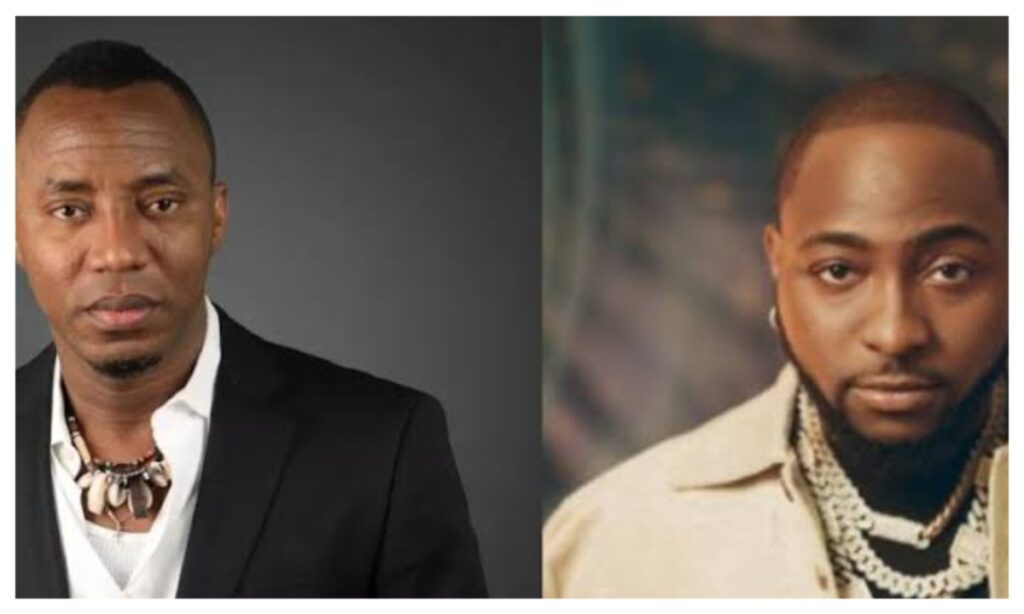
Davido refuses to back APC in Osun election, clashes with Omoyele Sowore over political stance
The Osun gubernatorial race and why it matters
Osun State, a southwestern hub of Nigeria’s cultural and economic activity, is gearing up for a tightly contested governorship election slated for November 2026. The race pits the incumbent All Progressives Congress (APC) candidate against a coalition of opposition parties, including the Peoples Democratic Party (PDP) and the Labour Party, each hoping to capitalize on voter fatigue with the ruling party’s performance at the state level.
Beyond the immediate power shift, the Osun poll is seen as a bellwether for the broader 2027 general elections. Analysts argue that a strong showing by the opposition could signal a regional swing that might reverberate in neighboring states, potentially reshaping the national political map. Consequently, the contest has attracted intense media scrutiny, party mobilisation, and now, celebrity commentary.
Davido’s public break with the APC
On August 14, 2026, Afrobeats megastar David Adeleke—better known as Davido—took to X (formerly Twitter) to declare, “I can never support APC in my […]”. The truncated post, later completed by a follow‑up tweet, made clear that the 33‑year‑old singer would not endorse any APC candidate in the Osun election, citing concerns over governance and youth inclusion.
Davido’s statement is significant because he is one of the few Nigerian entertainers whose brand commands both domestic and diaspora audiences. His endorsement, or lack thereof, can sway the opinions of millions of young Nigerians who follow his music, fashion line, and social media feeds. In past elections, celebrity backing has translated into measurable spikes in voter registration drives, especially among first‑time voters.
Omoyele Sowore’s rebuttal and the ensuing social‑media clash
Omoyele Sowore, a prominent activist, former journalist, and Labour Party presidential hopeful, responded within hours, questioning Davido’s motives and accusing the artist of “political opportunism”. Sowore’s reply, posted on the same platform, warned that “celebrity voices must be grounded in policy, not just personal grievances”. The exchange quickly escalated, with supporters of both figures trading memes, accusations of bias, and calls for accountability.
The clash highlights a growing tension between Nigeria’s entertainment elite and its political class. While some politicians welcome celebrity influence as a way to reach younger voters, others view it as a threat to party discipline. Sowore’s reaction also reflects his broader campaign strategy, which seeks to position him as a principled alternative to both the APC and PDP, leveraging his reputation as a human‑rights advocate.
Why celebrity politics is reshaping Nigeria’s electoral landscape
Nigeria’s youthful demographic—over 60% under the age of 35—has made the entertainment sector a powerful conduit for political messaging. Artists like Burna Boy, Tiwa Savage, and Wizkid have previously used their platforms to comment on governance, corruption, and social justice, often sparking national conversations that traditional politicians struggle to ignite.
The Davido‑Sowore episode underscores a broader trend: celebrities are no longer mere endorsers; they are becoming agenda‑setters. Their statements can pressure parties to clarify positions on issues such as unemployment, digital infrastructure, and police reform—topics that dominate the concerns of urban and diaspora Nigerians alike. Moreover, the diaspora, which contributes significantly to remittances and invests in local startups, watches these exchanges closely, interpreting them as cues about the future business climate.
What could happen next – party strategies, voter sentiment, and market impact
In the short term, the APC is likely to double‑down on its grassroots mobilisation, attempting to neutralise any fallout from Davido’s criticism by highlighting its development projects in Osun. The opposition coalition, meanwhile, may seek to co‑opt Davido’s fan base by inviting him to campaign events or by aligning his anti‑APC narrative with their own policy proposals on education and tech entrepreneurship.
For brands, Davido’s stance presents both risk and opportunity. Companies that have long partnered with the artist—especially those with ties to the ruling party—may reassess sponsorship agreements to avoid being perceived as partisan. Conversely, firms championing corporate social responsibility in Nigeria’s creative economy could leverage the controversy to showcase a commitment to independent artistic expression.
Finally, the episode may influence voter behaviour beyond Osun. Early polling in neighboring states suggests that youth turnout is highly responsive to cultural icons. If Davido’s message resonates, the opposition could see a modest but decisive swing in urban precincts, potentially altering the balance of power in the 2027 national elections.
Quick Answers
Why did Davido say he would not support the APC in the Osun election?
He cited concerns over governance and a lack of youth‑focused policies, saying the party does not align with his vision for Nigeria.
How might Davido’s political stance affect the upcoming Osun gubernatorial race?
His large fan base could sway young voters, prompting parties to adjust their outreach and policy messaging to win his supporters.
What does the clash between Davido and Omoyele Sowore indicate about Nigerian politics?
It reflects a growing influence of celebrities on political discourse and the tension between entertainment figures and traditional politicians.
Source: dailypost.ng



💬 Comments 0