Deadly Spain Train Crash in Toledo 2026: 500+ Passengers, Causes & Global Implications
Spain’s rail network – a modern system under scrutiny
Spain boasts one of Europe’s most extensive high‑speed rail networks, with the AVE lines linking Madrid to major cities such as Barcelona, Seville and Valencia. The country’s rail operator, Renfe, has long marketed safety and punctuality as hallmarks of its service, and the European Union’s rail safety directive has pushed member states to adopt rigorous inspection regimes.
Despite an overall strong safety record, Spain has experienced several high‑profile incidents over the past decade, including a 2013 derailment near Santiago de Compostela that claimed 79 lives. Those events prompted tighter oversight, but critics argue that fragmented responsibility between infrastructure manager ADIF and train operators still leaves gaps in real‑time monitoring.
What we know about the Toledo collision
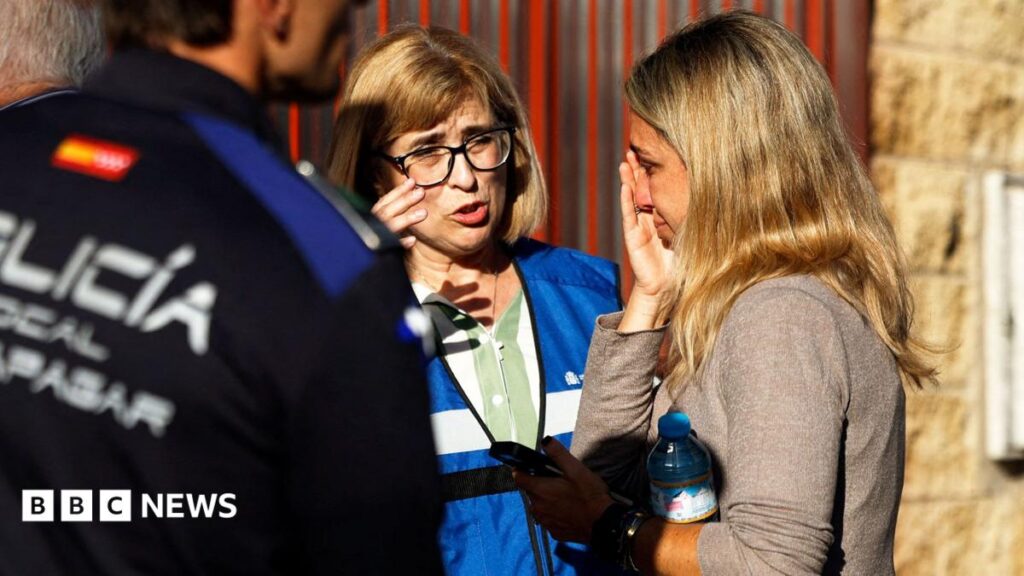
On October 27, 2026, a passenger train traveling south of Madrid in the province of Toledo was involved in a serious crash that left more than 500 people on board at the time of the impact, according to early reports from Spanish media. The exact nature of the accident – whether a collision with another train, a freight vehicle, or a derailment – has not yet been confirmed by authorities.
Emergency services arrived within minutes, and local hospitals were placed on alert for mass‑casualty treatment. Initial statements from the Ministry of Transport indicated that rescue crews were focusing on evacuating passengers and securing the site, while a formal investigation team was being assembled under the direction of the Comisión de Investigación de Accidentes Ferroviarios (CIAF).
Immediate fallout for travelers, including the African diaspora
The crash has disrupted travel plans for thousands of commuters and tourists, many of whom were heading to or from Madrid’s international airport. Among the passengers were members of the African diaspora returning home for holidays and business trips, a group that typically relies on Spain’s rail links for affordable and fast connections to other European hubs.
Travel agencies and airlines reported a surge in last‑minute flight bookings from Madrid to African destinations such as Lagos, Nairobi and Accra, as stranded passengers sought alternatives. The incident also sparked a wave of social‑media posts in Portuguese, French and Arabic, highlighting concerns over safety for African travelers who often travel on discounted fares and may lack comprehensive travel insurance.
Why the crash matters beyond Spain’s borders
The Toledo incident arrives at a moment when African countries are aggressively expanding their own rail corridors, often with European financing and technology partners. Nations such as Kenya, Ethiopia and Nigeria are building high‑speed lines that mirror Spain’s AVE model, and any perception of systemic safety failures in the European prototype can influence public confidence and investment decisions on the continent.
Moreover, the crash underscores a broader trend of aging infrastructure colliding with rapid modernization. In many African rail projects, the push to meet ambitious timelines can outpace the development of robust safety oversight. Observers point to the need for African regulators to learn from European accident investigations, ensuring that new lines are equipped with real‑time monitoring, automatic train protection (ATP) systems, and transparent reporting mechanisms.
What comes next – investigations, reforms and travel advice
The CIAF has pledged a thorough inquiry, with a preliminary report expected within 30 days. Past investigations in Spain have led to concrete measures such as upgraded signalling, stricter crew fatigue rules and increased funding for track maintenance. Analysts predict that the Toledo crash could reignite debates over the separation of infrastructure and operations, possibly prompting the EU to tighten cross‑border safety standards.
For passengers, especially those from the African diaspora, the immediate advice is to stay informed through official channels and to consider travel insurance that covers rail incidents. Companies operating tours and business trips to Europe are already revising itineraries to include contingency plans, while some African airlines are promoting direct flights to mitigate reliance on rail connections during the investigation period.
Quick Answers
How many passengers were on the train involved in the Toledo crash?
More than 500 passengers were aboard the train when the accident occurred, according to early Spanish media reports.
What caused the deadly Spain train crash in Toledo?
The exact cause is still under investigation; authorities have not yet confirmed whether it was a collision, derailment or another factor.
Will the Toledo train crash affect rail projects in Africa?
The incident may influence African rail development by prompting stricter safety standards and greater scrutiny of European‑based technology partners.
Source: www.bbc.co.uk



💬 Comments 0