Delhi air quality hits ‘very poor’ 377 ahead of Diwali 2026 despite new firework ban
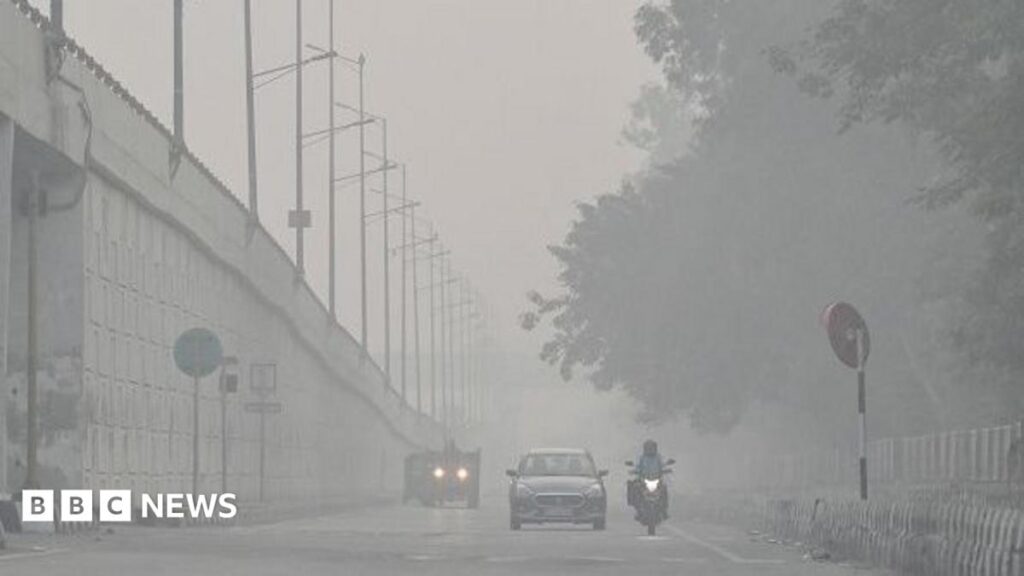
A chronic problem meets a festive flashpoint
Delhi has long been synonymous with smog, ranking among the world’s most polluted capitals for over a decade. Seasonal factors such as winter temperature inversions, vehicle emissions, and construction dust keep the Air Quality Index (AQI) hovering in the “poor” to “very poor” range for months at a time. The World Health Organization estimates that air pollution shortens the lives of roughly 1.2 million Indians each year, a figure that rises sharply during festival periods.
Diwali, the Festival of Lights, traditionally involves the widespread use of fireworks that release a cocktail of particulate matter, sulfur dioxide, and toxic metals. Past celebrations have routinely pushed Delhi’s AQI above 400, a level classified as “severe” and linked to spikes in respiratory admissions. This year, the Delhi Pollution Control Committee (DPCC) recorded an AQI of 377 on the morning of 4 November, still in the “very poor” bracket but already higher than the city’s average for early November.
The timing is significant: the reading came just hours before the city’s official firework curfew took effect on 5 November. Historically, the curfew has been announced but poorly enforced, leading to a predictable post‑Diwali pollution surge. This year’s higher baseline suggests that the city’s underlying emissions are not receding, even as authorities attempt to curb the fireworks‑driven spike.
New firework restrictions and how they are being policed
In September 2026, the Delhi government introduced a stricter firework ordinance that bans the sale of high‑explosive crackers and limits permissible sound levels to 80 decibels. The rule also mandates that any fireworks sold must carry a government‑issued green certification confirming low‑emission formulations. Enforcement teams were bolstered with additional traffic police and mobile air‑monitoring vans stationed at major market hubs.
According to a DPCC press release, over 12,000 illegal firecracker stalls were identified and shut down in the weeks leading up to Diwali. The agency also announced a partnership with the Delhi Police’s cyber‑crime unit to track online sales, a move that reflects a growing recognition that the market for illegal fireworks has migrated to digital platforms. However, sources close to the enforcement teams say that many small vendors have simply re‑branded their stock as “hand‑made sparklers” to evade the ban.
Early reports from on‑the‑ground monitors suggest that compliance is uneven. While affluent neighborhoods such as South Delhi reported a noticeable decline in firework-related noise, residents in peripheral districts like Najafgarh still heard intermittent bursts late into the night. The DPCC warned that any violation after the curfew could attract a fine of up to ₹50,000 (about $600) and possible confiscation of the devices.
Why the spike matters beyond the festival
Health experts warn that even a short‑term surge to an AQI of 377 can exacerbate chronic conditions such as asthma, COPD, and cardiovascular disease. A study published by the Indian Institute of Public Health in early 2026 found that a single day of “very poor” air quality can increase hospital admissions for respiratory distress by 18 % in Delhi’s public hospitals. Children and the elderly are especially vulnerable, and the timing of Diwali often coincides with school examinations, compounding the risk for students.
From an economic perspective, the pollution spike threatens to erode the city’s productivity. A 2025 report by the Confederation of Indian Industry estimated that Delhi loses roughly $4 billion annually due to work‑day losses linked to poor air quality. The added burden of firework‑related smog could push that figure higher, especially as many multinational firms in the city have begun tying employee health benefits to local air‑quality metrics.
Environmentalists also point out the climate implications. Fireworks release short‑lived climate forcers like black carbon, which can accelerate regional warming when deposited on snow in the Himalayas. Although the immediate effect is localized, the cumulative impact of yearly Diwali emissions contributes to the broader South Asian haze that hampers solar generation and agricultural yields.
The African connection: diaspora, markets and shared challenges
Delhi hosts a sizeable African diaspora, estimated at 30,000 students, professionals and entrepreneurs, many of whom are from Nigeria, Kenya and South Africa. The sudden deterioration in air quality directly affects this community, as many live in shared housing near university campuses where ventilation is limited. African student associations have already issued health advisories, urging members to use N‑95 masks and limit outdoor activity during the festival week.
The air‑purifier market, a sector that has seen rapid growth in both India and several African capitals, stands to benefit from the heightened awareness. Companies such as Kenya‑based M-KOPA and Nigerian start‑up AirVibe have begun exploring cross‑border distribution agreements, positioning their low‑cost, solar‑powered purifiers as a solution for “festival‑time” smog. This could open a new export pipeline, linking Indian consumer demand with African manufacturing capacity.
Beyond the immediate health concerns, the Delhi episode mirrors a pattern seen in African megacities where short‑term cultural events trigger pollution spikes. Lagos’s New Year fireworks and Nairobi’s marathon traffic surges have both caused temporary AQI jumps that strained local health systems. The common thread is a lack of robust enforcement mechanisms for temporary emission sources, suggesting that lessons from Delhi’s stricter curfew could inform policy design in African contexts.
What’s next? Policy, technology and regional cooperation
The DPCC has pledged to extend the firework curfew beyond Diwali, proposing a year‑round ban on high‑emission crackers. If enacted, the move would align Delhi with a handful of Indian states that already enforce permanent restrictions. Critics argue that such bans could hurt small‑scale manufacturers, but the government has signaled support for a “green cracker” subsidy scheme aimed at transitioning producers to cleaner technologies.
Technology could play a decisive role in monitoring compliance. The city recently piloted a network of low‑cost, IoT‑enabled air‑quality sensors that transmit real‑time data to a public dashboard. By correlating spikes with geotagged social‑media posts of fireworks, authorities hope to pinpoint illegal activity faster. Similar sensor networks are being rolled out in Nairobi’s informal settlements, indicating a growing South‑South exchange of air‑monitoring solutions.
Finally, regional cooperation may become a catalyst for lasting change. The South Asian Association for Regional Cooperation (SAARC) is set to host a conference on “Festival Emissions and Public Health” in early 2027, inviting African representatives to share best practices. If Delhi’s experience can inform policy in African cities, the continent could see a coordinated push toward cleaner celebrations, benefitting both public health and the burgeoning market for sustainable event technologies.
Quick Answers
What is Delhi's AQI level ahead of Diwali 2026?
Delhi's Air Quality Index was recorded at 377 on the morning of 4 November 2026, placing it in the "very poor" category.
Are fireworks banned in Delhi for Diwali 2026?
Yes, a stricter firework ordinance introduced in September 2026 bans high‑explosive crackers and limits sound levels, with enforcement beginning on 5 November.
How does Delhi's pollution affect African residents in the city?
The African diaspora in Delhi faces heightened health risks from the smog, prompting community groups to advise mask use and limit outdoor activities during the festival.
Source: www.bbc.co.uk



💬 Comments 0