Delhi Hostel Collapse Traps Up to 50 Residents – What It Means for Safety, Migrant Workers and the Indian Diaspora
Background: Delhi’s Housing Crunch and Construction Oversight
Delhi’s population has swelled past 30 million, driven by a constant influx of migrants seeking jobs in the capital’s service and informal sectors. The pressure to provide affordable accommodation has led to a surge in low‑cost hostels, many of which operate in older buildings that were never designed for modern occupancy levels.
The city’s building‑approval system has long been criticised for lax inspections and a backlog of permits. According to a 2024 report by the Centre for Policy Research, more than 40 % of structures built before 2000 have not undergone a mandatory safety audit in the past decade. This regulatory gap creates fertile ground for structural failures, especially when owners make unauthorised alterations to increase rental capacity.
In recent years, Delhi has witnessed several high‑profile collapses, including a 2022 multi‑storey market in East Delhi that killed 12 people. Each incident has prompted calls for stricter enforcement, but implementation has lagged, leaving vulnerable tenants exposed.
What Happened: The Five‑Storey Hostel Collapse
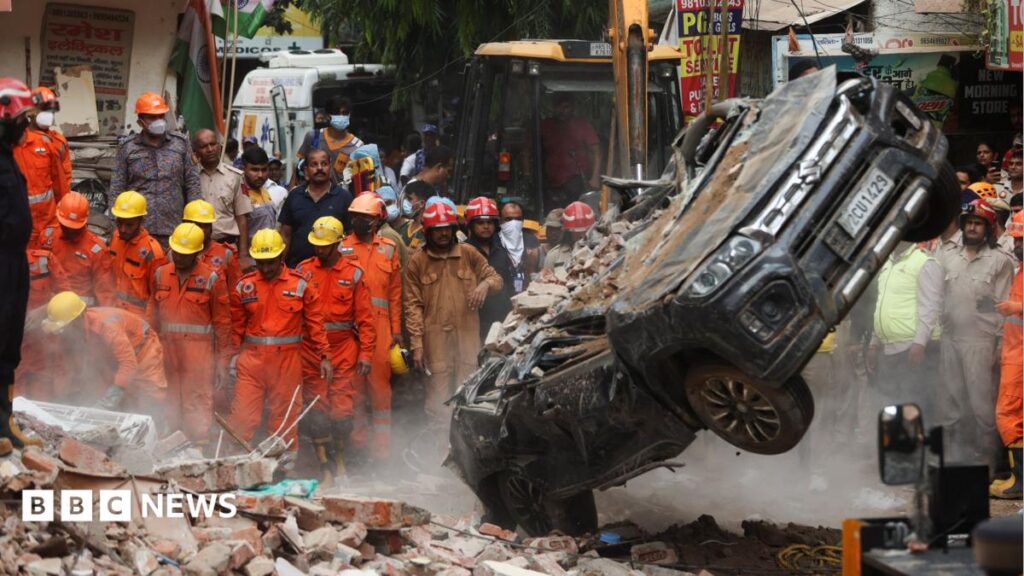
On the morning of September 5, 2026, the five‑storey hostel on Keshav Purab Road in North Delhi gave way, sending concrete slabs and brick walls crashing onto the street below. Rescue teams arrived within minutes, but the building’s sudden failure made it difficult to locate survivors amid the rubble.
Local authorities estimate that as many as 50 residents were inside the structure at the time of the collapse. Most of them were low‑income workers from Uttar Pradesh, Bihar and neighboring states, staying in shared rooms that were reportedly overcrowded. Early reports indicated that several individuals were rescued alive, but dozens remained missing as of the latest update.
The Delhi Fire Service, National Disaster Response Force and private volunteers coordinated a massive search‑and‑rescue operation. Heavy‑duty cranes and cutting equipment were deployed, and families gathered at nearby shelters, hoping for news about their loved ones.
Why It Matters: Safety, Labor Rights and the Diaspora’s Concern
The tragedy highlights a systemic failure to protect India’s most vulnerable workers, many of whom live in informal housing that skirts building codes. When a structure collapses, the loss is not only human but also economic; families lose breadwinners and the city loses a segment of its labor force that fuels its service economy.
For the Indian diaspora, especially those who have invested in property or run small businesses that employ migrant labour, the incident raises alarms about the reliability of housing stock in India’s megacities. According to a survey by the Indian Association of Diaspora Professionals (IADP), 38 % of respondents said they would reconsider sending relatives to Delhi for work until safety standards improve.
The collapse also reverberates in African markets where Indian construction firms are active. Companies such as Shapoorji Pallonji and Larsen & Toubro have significant projects in Kenya, Nigeria and Ethiopia. A perception of lax safety standards in India could affect the credibility of these firms abroad, potentially influencing contract awards and joint‑venture negotiations on the continent.
Reactions: Government, NGOs and Social Media
Delhi’s Chief Minister, Arvind Kejriwal, pledged a fast‑track inquiry and ordered an immediate audit of all hostels older than 20 years. In a press conference, he said the state would allocate additional funds to the Delhi Disaster Management Authority for rescue operations and post‑collapse rehabilitation.
Human‑rights groups, including the National Campaign on Dalit Human Rights, condemned the incident as a symptom of “systemic neglect of low‑income tenants.” They called for a moratorium on the rental of unregistered buildings and for stronger tenant‑protection laws that would obligate owners to maintain structural integrity.
Social media users flooded Twitter with the hashtag #DelhiHostelSafety, sharing personal stories of cramped living conditions and demanding accountability. Influencers from the Indian diaspora in the United Kingdom and United States amplified the conversation, urging their governments to lobby the Indian administration for stricter enforcement.
What’s Next: Investigations, Policy Shifts and Lessons for Africa
A joint probe by the Delhi Police, the Municipal Corporation of Delhi and the National Building Code Authority has been launched. Preliminary findings point to illegal alterations on the third floor, where additional partitions were added without structural approval, overloading the building’s load‑bearing walls.
If the investigation confirms regulatory breaches, the city is expected to introduce a “Zero‑Tolerence” policy for illegal modifications, similar to the recent crackdown in Mumbai’s slum‑upgrading program. Such a policy could force owners to retrofit or vacate unsafe structures, prompting a surge in demand for compliant housing.
African policymakers are watching the Delhi case closely. Nairobi’s County Government, which is currently revising its own building‑code enforcement after a series of collapses in informal settlements, cited the Delhi incident as a cautionary example during a recent workshop organized by the African Development Bank. The parallel underscores a shared challenge: rapid urban growth outpacing safety oversight.
For Indian investors in African real‑estate, the fallout may translate into a reassessment of risk. Transparency in construction practices and third‑party audits could become a selling point for firms that want to differentiate themselves in markets where safety concerns are equally acute.
Quick Answers
How many people were believed to be inside the Delhi hostel when it collapsed?
Authorities estimate that up to 50 residents were inside the five‑storey building at the time of the collapse.
What is thought to have caused the hostel building to fall?
Early investigations suggest illegal structural alterations and severe overcrowding overloaded the building’s load‑bearing walls.
What steps are being taken by the Delhi government after the collapse?
The state has ordered a fast‑track inquiry, an audit of old hostels, and promised stricter enforcement of building codes, including possible demolition of unsafe structures.
Source: www.bbc.co.uk




💬 Comments 0