Deniz Göktaş released after 2026 conviction for insulting Erdoğan – Turkey’s comedy crackdown
Background: Turkey’s tightening grip on speech
Since President Recep Tayyip Erdoğan returned to power in 2003, Turkey has moved steadily toward a more centralized, authoritarian model. The 2016 failed coup triggered a sweeping purge of the military, judiciary and media, and subsequent laws have broadened the definition of "insulting the president" to include jokes, memes and even social‑media comments.
The legal tool most often used is Article 299 of the Turkish Penal Code, which criminalises "insulting the President of the Republic" with up to four years in prison. In the past five years, over 500 individuals—including journalists, academics and artists—have been prosecuted under this provision, according to human‑rights watchdogs.
Comedy, once a vibrant outlet for political satire in Turkey, has become a high‑risk profession. Shows that used to lampoon political figures now face pre‑emptive bans, and many comedians have fled abroad or shifted to coded humor to avoid prosecution.
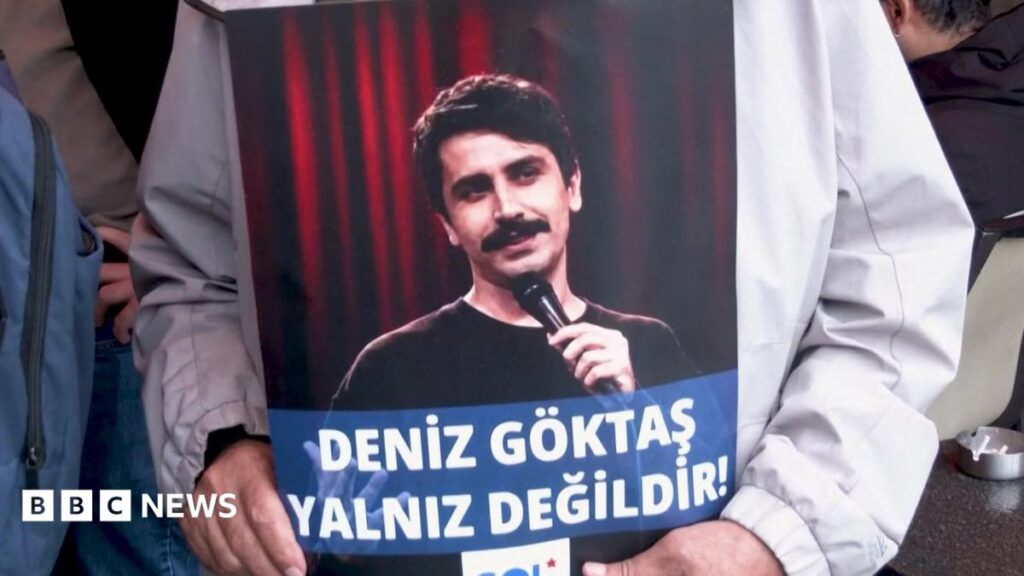
The case of Deniz Göktaş
Deniz Göktaş, a 34‑year‑old stand‑up comic known for his razor‑sharp observations on everyday life in Istanbul, was arrested in March 2025 after a routine performance in which he referenced Erdoğan’s recent economic policies with a sarcastic punchline. The joke was recorded and circulated on TikTok, prompting a complaint from a government‑affiliated watchdog.
In June 2025 a court sentenced Göktaş to 18 months in prison and imposed a three‑year travel ban, citing Article 299. He served the full term and was released in early September 2026, as reported by Turkish news agency Anadolu. The travel ban remains in place, meaning he cannot leave the country without special permission.
Göktaş’s release sparked a mixed reaction online. While many fans celebrated his freedom, others warned that the lingering travel restriction signals that the state is still intent on keeping dissenters under close watch.
Why it matters beyond Turkey’s borders
The prosecution of a comedian for a joke underscores a broader erosion of civil liberties that affects not only Turkish citizens but also the diaspora that consumes Turkish media abroad. Streaming platforms such as Netflix and YouTube, which host a growing catalogue of Turkish comedy, now face pressure to self‑censor content that could be deemed offensive to the presidency.
For the Turkish diaspora in Europe and Africa, the crackdown limits the cultural exchange that comedy traditionally facilitates. Turkish‑language channels popular among diaspora communities—like TRT World and private satellite networks—are increasingly avoiding political satire, reducing the diversity of viewpoints available to overseas audiences.
Moreover, the case feeds into a narrative that investors and tourists watch closely. A reputation for suppressing free expression can deter cultural tourism, a sector that contributed roughly $12 billion to Turkey’s GDP in 2024, according to the Ministry of Culture and Tourism.
African connections: Turkey’s soft power and the comedy market
Turkey has invested heavily in cultural diplomacy across Africa over the past decade, building schools, hospitals and media outlets in more than 30 countries. Turkish TV series and music dominate airwaves in Nigeria, Kenya and South Africa, and Turkish comedy specials have begun to appear on African streaming services like Showmax and iRokoTV.
When a high‑profile comedian such as Göktaş is silenced, African audiences lose a potential source of nuanced commentary on issues that resonate across the continent—authoritarianism, economic hardship and youth unemployment. The loss is not merely artistic; it curtails a channel through which African creators could collaborate with Turkish peers on joint productions.
African journalists covering Turkey have noted that the crackdown complicates reporting for correspondents based in African bureaus of Turkish media. Restrictions on critical content mean that stories about governance, human rights or even regional security may be filtered before reaching African readers.
What’s next: Legal battles, international pressure and the future of Turkish satire
Human‑rights organisations, including Amnesty International, have called on the European Court of Human Rights to examine Turkey’s use of Article 299, arguing that it violates freedom of expression guarantees under the European Convention on Human Rights, to which Turkey is a signatory.
Within Turkey, a coalition of comedians, writers and legal scholars has launched a petition demanding the repeal of the “insult law.” The movement has attracted support from diaspora groups in Germany and the United Kingdom, who have organised benefit shows to raise funds for legal defence.
If pressure mounts, the Turkish government could face a strategic dilemma: easing the law might improve its international image and boost cultural exports, while tightening it further could alienate a growing youth demographic that increasingly consumes digital content. The outcome will shape not only the future of Turkish comedy but also the broader cultural ties that Turkey has cultivated with African markets.
Quick Answers
Why was Deniz Göktaş sentenced?
He was convicted under Turkey’s Article 299 for a joke that was judged to insult President Erdoğan.
Can Deniz Göktaş travel abroad now?
No, a three‑year travel ban remains in force, preventing him from leaving Turkey without special permission.
How does this case affect Turkish comedy in Africa?
The crackdown limits the availability of uncensored Turkish comedy on African streaming platforms, reducing cultural exchange and collaborative opportunities.
Source: www.bbc.co.uk



💬 Comments 0