DNA test reveals Dutch adoptees Meena Geltink and Minal Tijssen are sisters after 40 years of friendship
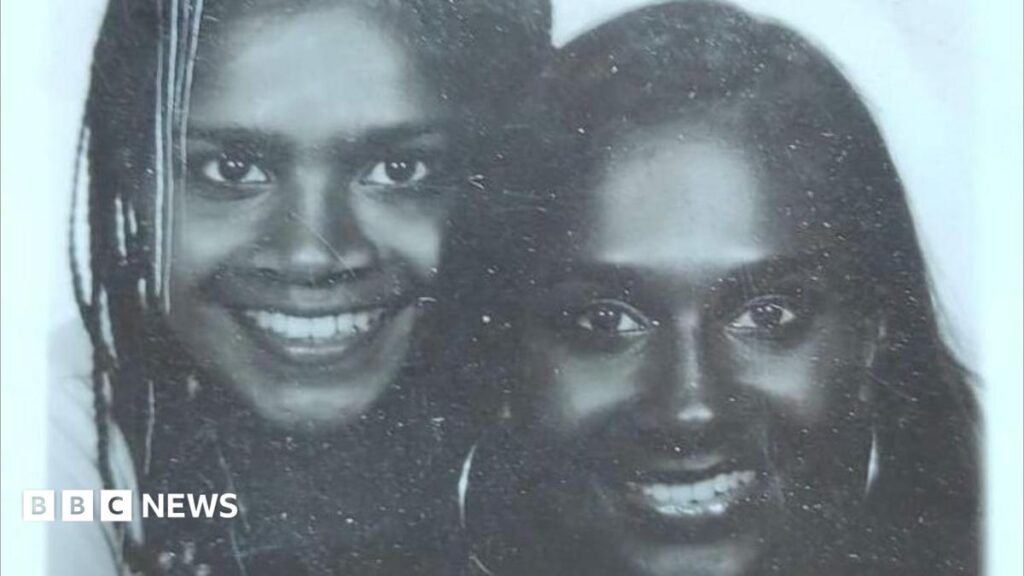
From orphanages in Mumbai to Dutch homes
In the early 1980s, two baby girls were placed in separate orphanages in Mumbai, a city already grappling with a surge in children abandoned by families facing poverty and social stigma. Dutch aid organisations, eager to give these children a chance at a stable life, arranged their adoption to families in the Netherlands. Meena Geltink and Minal Tijssen arrived on Dutch soil as toddlers, each adopted by loving families who never disclosed their Indian origins beyond a brief birth‑place note on their passports.
Growing up in the same neighbourhood of Rotterdam, the two girls met at primary school, quickly forming a bond that would last four decades. Their shared love of Bollywood movies, Indian cuisine, and the occasional Hindi phrase they learned from grandparents made their friendship feel almost familial, even though they never suspected any blood relation.
A DNA test that turned friends into sisters
In 2025, curiosity sparked by a family reunion on a Dutch‑based social media platform led Meena to order a direct‑to‑consumer DNA kit from a popular genetics company. The test, which compares a user’s DNA against a global database, flagged a “close family match” with a user named Minal. The two women, who had already shared a home‑cooked Indian feast a few weeks earlier, were stunned when the results confirmed a 99.9% probability that they share both parents.
The revelation arrived at a time when DNA testing has become mainstream, with many diaspora communities using it to trace lost relatives, verify heritage, or settle inheritance disputes. For Meena and Minal, the discovery was both joyous and unsettling. Their decades‑long narrative of friendship had to be rewritten as a story of sisterhood, prompting a flood of emotions ranging from relief at finding a biological sibling to grief over the years spent apart from their birth family.
Identity, belonging and the power of genetics
The case highlights a growing tension between lived cultural identity and genetic ancestry. Both women grew up speaking Dutch, celebrating King’s Day, and identifying as Dutch, yet their Indian roots were a quiet undercurrent in their lives. The DNA result forces a re‑examination of what it means to be “Indian” or “Dutch” when biology and upbringing diverge.
For many international adoptees, especially those from Asia and Africa, DNA testing offers a way to fill gaps left by sealed adoption records. A 2023 study by the International Adoption Research Institute found that 68% of adult adoptees who took a DNA test reported a stronger sense of self‑understanding, while 42% pursued legal steps to obtain original birth certificates. The emotional impact can be profound, as families renegotiate boundaries and adoptive parents grapple with the question of how much to share about a child’s origin.
Implications for international adoption and diaspora communities
The Geltink‑Tijssen story arrives amid a broader debate in Europe about the transparency of historic adoptions. Dutch law, revised in 2005, allows adult adoptees to request their original birth records, but many records from the 1970s and 80s remain incomplete. DNA testing is now being used as a de‑facto tool to bypass bureaucratic roadblocks, a trend also observed among African diaspora adoptees in the UK who have uncovered hidden lineage through genetic databases.
Beyond legalities, the story resonates with African diaspora audiences who have faced similar identity puzzles. In Nigeria, for instance, the rise of home‑grown DNA services has sparked conversations about “lost families” among children adopted abroad during the 1990s civil unrest. While the cultural contexts differ, the underlying desire to reclaim a biological narrative is shared, underscoring how technology is reshaping diaspora experiences across continents.
Looking ahead: legal, emotional and social next steps
Following the DNA confirmation, Meena and Minal have begun the process of locating their biological parents. Dutch law requires a court order to access sealed adoption files, but the DNA match provides a strong legal footing. Their families are also engaging a counsellor specialized in trans‑national adoption trauma, a service that has seen increased demand after the 2022 European Association of Adoption Professionals conference highlighted mental‑health gaps for adult adoptees.
The broader community is watching closely. Adoption agencies are now reevaluating the practice of withholding origin information, and some are offering optional DNA testing as part of post‑adoption support. Meanwhile, diaspora groups across Europe are forming support networks where adoptees can share resources, from translation services for contacting Indian orphanages to guidance on navigating Dutch privacy laws. The hope is that stories like Meena and Minal’s will transform a personal revelation into systemic change.
Quick Answers
How did Meena Geltink and Minal Tijssen discover they are sisters?
A DNA test taken by Meena in 2025 showed a 99.9% probability of a full‑sibling match with Minal, confirming they share both biological parents.
What impact does DNA testing have on international adoptees?
DNA testing helps adoptees fill gaps in their personal history, often leading to stronger identity formation, legal access to original records, and reconnection with biological families.
Are there legal steps to take after discovering a biological sibling in the Netherlands?
Yes, adult adoptees can petition Dutch courts to unseal their original adoption files, and the DNA match can strengthen their case for accessing those records.
Source: www.bbc.co.uk




💬 Comments 0