Dozens of suspected illegal miners die in Nigerian custody in 2026, sparking rights outcry
Background: the rise of illegal mining and security crackdowns
Nigeria’s northern states have seen a surge in unregulated small‑scale gold extraction, often called "galamsey," as young men flee unemployment and seek quick cash. The activity is illegal because it bypasses licensing, evades taxes, and frequently damages the environment, prompting the federal government to launch a series of raids since early 2025.
The Ministry of Mines and Steel Development has partnered with the Nigerian Security and Civil Defence Corps (NSCDC) to conduct night sweeps, seize equipment, and detain suspected miners. While officials argue the operations protect national resources and curb illicit trade, human‑rights groups warn that the rapid escalation of force leaves little room for due process.
Historically, similar crackdowns in West Africa have produced contested outcomes: in Ghana, a 2022 operation led to dozens of arrests but few convictions, while in Mali, security forces faced accusations of torture during anti‑smuggling raids. Nigeria’s latest effort fits into this uneasy pattern of state‑driven resource protection colliding with vulnerable, informal labour forces.
The incident: dozens of detainees die while in custody
In early September 2026, the NSCDC announced that 38 men detained on suspicion of illegal mining at a remote checkpoint in Zamfara State had died while being held at a local detention centre. The men, all aged between 19 and 34, were initially arrested during a joint police‑military operation targeting an alleged gold‑smuggling ring.
The official statement from the Zamfara State Commissioner of Police attributed the deaths to an outbreak of an infectious disease, citing “contagious fever” as the primary cause. The claim was accompanied by a brief medical report that listed symptoms such as high fever and dehydration, but it omitted any autopsy results or independent verification.
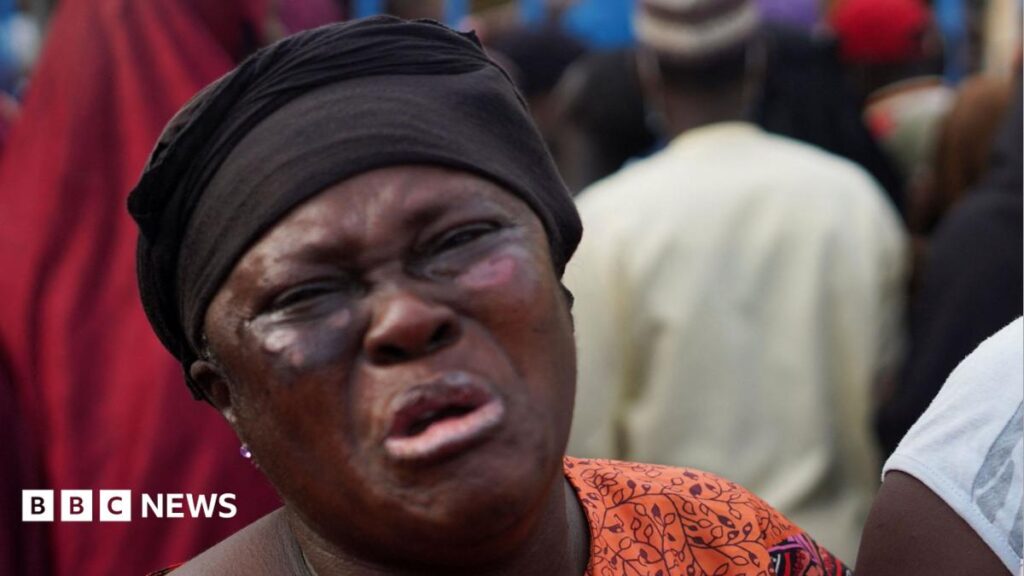
Relatives of the deceased, together with a coalition of Nigerian NGOs, immediately challenged the narrative. They argued that the men were taken into custody in good health, and that the timing of the alleged outbreak—just days after the detainees were locked in a cramped, poorly ventilated cell—raised serious doubts about the disease explanation.
Conflicting explanations: disease, abuse, or something else?
Intelligence sources cited by the investigative outlet Premium Times reportedly uncovered internal communications within the NSCDC that hinted at possible mishandling of the detainees, including allegations of excessive force and denial of medical care. These documents have not been released publicly, but they fuel speculation that the deaths may be linked to neglect rather than a natural illness.
Human‑rights organisations such as Amnesty International and the Domestic Abuse and Human Rights Centre (DAHRC) have demanded an independent forensic inquiry. In a press release, DAHRC said that “the pattern of rapid, unexplained deaths in custodial settings across Nigeria points to systemic failures that go beyond a single disease outbreak.”
The Nigerian Ministry of Interior, responsible for overseeing custodial facilities, responded that it would commission a panel of forensic pathologists to examine the bodies. However, critics note that past commissions have often been staffed by officials with close ties to the security apparatus, casting doubt on the impartiality of any findings.
Why it matters: human‑rights, mining policy, and regional stability
The deaths highlight a growing tension between the state’s drive to secure mineral wealth and the protection of basic human rights. If the disease narrative is disproved, the incident could become a flashpoint for broader calls to reform Nigeria’s custodial practices, which have long been criticised for overcrowding, lack of medical facilities, and limited oversight.
Economically, the crackdown on illegal mining threatens to push a sizable informal workforce further underground. Estimates from the Nigerian Bureau of Statistics suggest that up to 200,000 Nigerians earn a living from informal gold extraction. A harsher security environment could reduce revenue for local communities that depend on the trade, while also increasing the risk of illicit cross‑border smuggling to neighboring Niger and Chad.
Regionally, the incident may reverberate across West Africa’s mineral belt. Countries such as Ghana and Burkina Faso, which are also grappling with illegal mining, watch Nigeria’s response closely. A perception of heavy‑handed policing could encourage a “race to the bottom” where states prioritize short‑term revenue over long‑term social stability, potentially destabilising border regions already vulnerable to armed groups.
What’s next: investigations, reforms and diaspora engagement
The federal government has pledged a “transparent and swift” investigation, but the timeline remains vague. International pressure could shape the process: the United Nations Office on Drugs and Crime (UNODC) has previously offered technical assistance for forensic investigations in Nigeria, and the European Union’s Human Rights Dialogue may request regular updates as part of its annual review of Nigeria’s compliance with the Istanbul Convention.
Domestically, civil‑society coalitions are organising protests in Abuja and Lagos, demanding that the families of the deceased receive compensation and that the custodial facility be shut down pending a full audit. The Nigerian diaspora, especially community groups in the United Kingdom and the United States, have begun circulating petitions and lobbying their local MPs to raise the issue at bilateral meetings on trade and human rights.
Long‑term reforms could involve revisiting the legal framework that criminalises small‑scale mining without providing viable alternatives. Experts from the African Development Bank have suggested a pilot programme that formalises artisanal miners through licensing, training, and access to clean‑technology equipment. If adopted, such a model could reduce the incentive for clandestine operations and, by extension, the likelihood of future custodial tragedies.
Quick Answers
How many suspected illegal miners died in Nigerian custody in 2026?
Official figures state that 38 detainees died while being held at a Zamfara State detention centre.
What were the men accused of?
They were arrested on suspicion of participating in illegal gold mining and smuggling activities.
What is the Nigerian government doing in response?
The government has announced an independent forensic panel to investigate the deaths and has promised reforms to custodial conditions.
Source: www.bbc.co.uk




💬 Comments 0