Egypt bus crash on Red Sea coast kills 22, including Jordanian nationals, September 2026
Tourism and transport on Egypt's Red Sea coast
The Red Sea coastline, especially the governorates of South Sinai and Hurghada, has long been a magnet for tourists from the Middle East, Europe and Africa. In 2025 the region recorded over 5 million overnight visitors, with a sizable share coming from African nations such as Sudan, Ethiopia and Kenya, who often travel in organized bus groups to resorts like Sharm El‑Sheikh and Dahab.
Road transport is the primary link between inland cities and the coastal resorts. Buses, minibusses and shared taxis ferry thousands of passengers daily, but safety oversight has lagged behind the rapid growth in traffic. According to the Egyptian Ministry of Transport, the number of road accidents in South Sinai rose by 18 % between 2022 and 2024, a trend that has drawn criticism from consumer groups and foreign embassies.
Jordanian tourists, in particular, have become a regular presence on the Red Sea circuit, attracted by the region’s dive sites and luxury hotels. Travel agencies in Amman routinely bundle flights, hotel stays and bus transfers, making the Egyptian coast a de‑facto extension of Jordan’s holiday market. The loss of Jordanian nationals in the recent crash therefore reverberates beyond Egypt’s borders.
What happened on the night of the crash
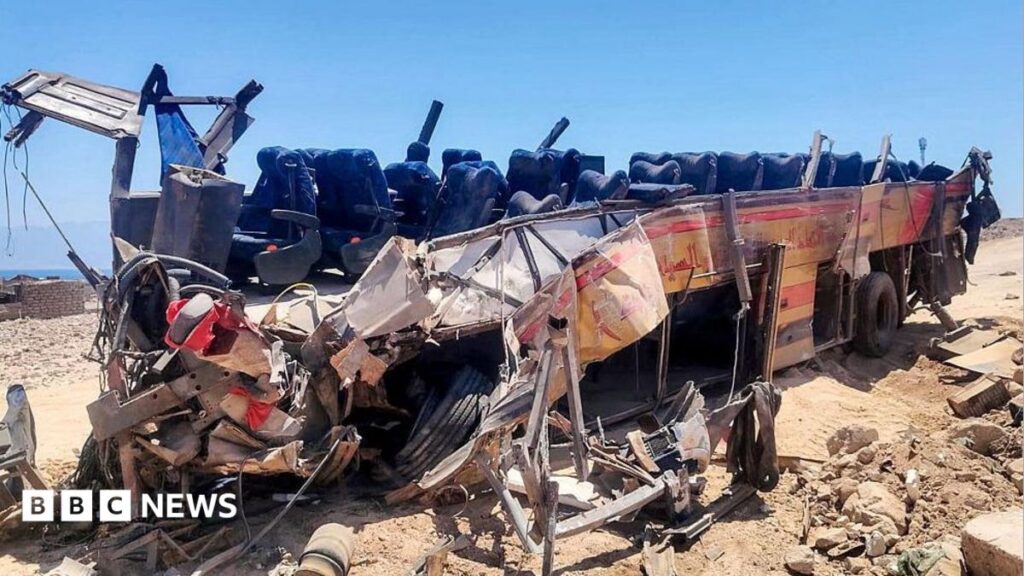
On the night of 2 September 2026, a 12‑metre coach carrying at least 48 passengers veered off the main coastal highway near the town of Nuweiba, in South Sinai’s Red Sea governorate. Witnesses reported that the driver attempted to avoid a sudden lane change by a stray vehicle, causing the bus to roll over multiple times before coming to rest on its side.
Emergency services arrived within 15 minutes, but the remote location and limited medical facilities delayed the evacuation of the injured. Official figures released by the Egyptian Health Ministry confirmed 22 deaths, including eight Jordanian citizens, and 26 serious injuries. The surviving passengers were taken to the nearest hospital in El Tor, where doctors worked through the night to stabilise the wounded.
The Jordanian embassy in Cairo issued a statement expressing “deep sorrow” and pledging consular assistance to the families of the victims. Meanwhile, the Egyptian Interior Ministry announced that a joint investigative team – comprising traffic police, forensic experts and representatives from the Ministry of Tourism – would determine the exact cause of the accident.
Why the crash matters for Egypt and African travelers
Beyond the immediate tragedy, the incident spotlights a fragile safety ecosystem that underpins Egypt’s multi‑billion‑dollar tourism sector. The World Travel & Tourism Council estimates that tourism accounts for roughly 12 % of Egypt’s GDP, with the Red Sea corridor contributing a third of that share. Any perception of unsafe road travel can deter not only high‑spending European tourists but also the growing cohort of African vacationers who rely on cost‑effective bus packages.
African travel agencies have already begun reassessing their itineraries. A Nairobi‑based operator, Safari East, told Reuters that it will temporarily suspend group tours that include bus transfers on the Sinai highway until “clear safety guarantees are provided by Egyptian authorities.” The statement reflects a broader anxiety among African diaspora communities, many of whom send relatives to Egypt for medical treatment, education or work, and who depend on reliable ground transport.
The crash also has diplomatic implications. Jordan and Egypt maintain a long‑standing tourism partnership, and the loss of Jordanian nationals could prompt a review of joint safety protocols. In the past, the two governments have signed memoranda of understanding to standardise vehicle inspections for cross‑border tours; this tragedy may accelerate the implementation of stricter checks, a development that could benefit African operators who already adhere to higher safety standards.
Investigations, reforms and the road ahead
The investigative panel, chaired by Interior Minister Mahmoud Tawfik, is expected to release a preliminary report within two weeks. Early indications suggest that driver fatigue and inadequate vehicle maintenance were key factors, according to sources familiar with the probe. If confirmed, the findings could trigger a cascade of regulatory reforms, including mandatory rest periods for drivers and tighter inspection cycles for commercial buses.
Egypt’s Ministry of Tourism has already pledged to launch a “Safe Routes” campaign aimed at improving signage, lighting and emergency response capacity along the Red Sea highway. The initiative, funded in part by a €15 million grant from the European Union’s Transport Safety Programme, will also provide training for local rescue teams, a move welcomed by African NGOs that operate medical clinics in the region.
For African tourists and diaspora members, the outcome of these reforms will be a decisive factor in choosing Egypt as a destination. A survey conducted by the African Union’s Tourism Committee in October 2025 showed that 42 % of respondents considered road safety a top priority when planning trips to the Middle East. Should Egypt deliver on its safety commitments, the Red Sea coast could retain its status as a cost‑effective, culturally rich alternative to pricier Mediterranean resorts.
Broader regional trends and the quest for safer travel
The Sinai crash is not an isolated event. In the past three years, the Middle East and North Africa (MENA) region has recorded over 150 bus accidents with fatal outcomes, many linked to aging fleets and lax enforcement of safety standards. Analysts at the African Development Bank note that improving transport safety is a prerequisite for deeper economic integration across the continent and its neighboring regions.
In response, several African countries have begun harmonising vehicle inspection regimes through the African Transport Forum. Egypt’s participation in this forum could pave the way for mutual recognition of safety certificates, allowing African tour operators to certify that their buses meet both African and Egyptian standards. Such cross‑border cooperation would reduce the risk of accidents and boost confidence among travelers from Lagos to Nairobi.
Ultimately, the tragedy underscores how a single road incident can ripple through tourism economies, diplomatic ties and regional development agendas. The coming weeks will test Egypt’s ability to turn grief into concrete policy action, and the response will be watched closely by African stakeholders whose livelihoods depend on safe, reliable travel across the Red Sea corridor.
Quick Answers
How many people were killed in the Egypt Red Sea bus crash?
Official reports confirm that 22 passengers died in the crash, including eight Jordanian nationals.
What caused the bus to overturn on the coastal highway?
Preliminary investigations point to driver fatigue and possible vehicle maintenance failures, according to sources close to the probe.
How might the accident affect tourism for African travelers?
Safety concerns could lead African tour operators to pause group trips on the Sinai highway until Egypt implements stricter transport regulations.
Source: www.bbc.co.uk




💬 Comments 0