Egypt Court Fines Lina Attalah $2,000 and Orders Mada Masr Shutdown – 2026 Press Freedom Blow
Background: Egypt’s tightening grip on independent media
Since the 2013 military takeover, Egypt has steadily narrowed the space for dissenting voices. Laws on defamation, terrorism and foreign funding have been weaponised to silence journalists, while the Ministry of Interior’s “national security” narrative has become a catch‑all justification for raids and arrests. According to Reporters Without Borders, the country slipped to 166th out of 180 in the 2024 World Press Freedom Index, reflecting a climate where self‑censorship is often the safest strategy.
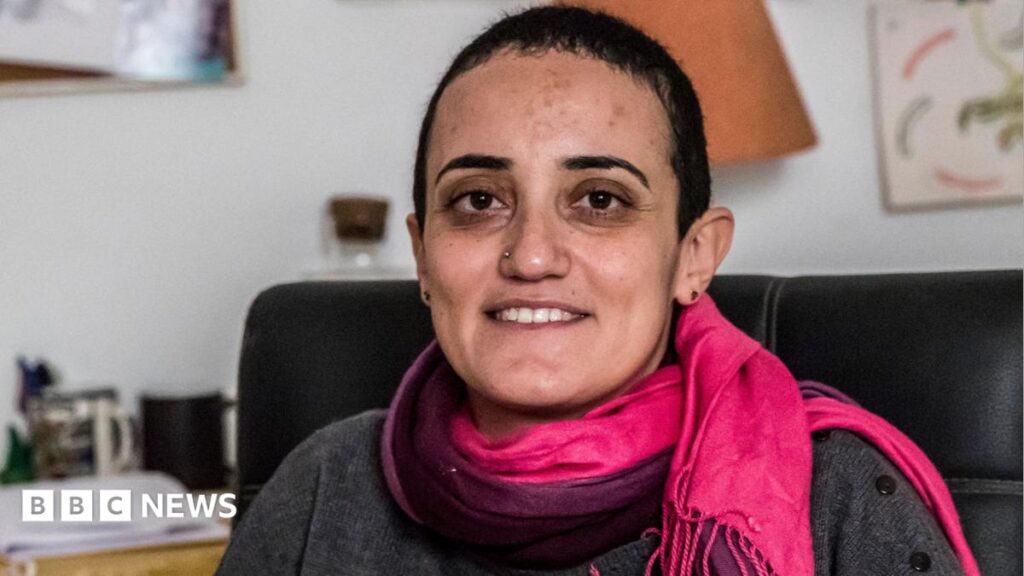
Lina Attalah, a veteran reporter and co‑founder of the online daily Mada Masr, has emerged as one of the most visible symbols of resistance. Born in Cairo and educated in the United Kingdom, Attalah returned to Egypt in 2011 to cover the Arab Spring, later helping to launch Mada Masr in 2013 as a platform for investigative reporting free from state ownership. The outlet has broken stories on corruption, human‑rights abuses and the military’s economic ventures, earning accolades from the Committee to Protect Journalists and a reputation for rigorous, data‑driven journalism.
The court ruling: fine, closure and the legal pretext
On 23 October 2026, a criminal court in Cairo sentenced Lina Attalah to a fine of 50,000 Egyptian pounds (about US$2,000) and ordered the permanent shutdown of Mada Masr’s website. The judgment was based on a 2025 law that criminalises “publishing false news that endangers public order”, a provision critics say is deliberately vague. The court cited a series of articles that allegedly spread misinformation about the government’s handling of a recent drought‑related protest, although the pieces were later corroborated by independent NGOs.
The verdict was delivered in a closed session, with no opportunity for Attalah or her legal team to cross‑examine the evidence. Amnesty International described the decision as “a crushing blow to press freedom” and warned that the ruling could set a legal precedent for shutting down any outlet deemed inconvenient. The organization called on the United Nations and the European Union to pressure Cairo to reverse the order, noting that the fine and closure violate Egypt’s own constitution, which guarantees freedom of expression.
Why it matters: the ripple effects on Egypt and the continent
The immediate impact is the silencing of a major source of investigative journalism in a country where independent reporting is already scarce. Mada Masr’s archives contain over 3,000 articles that have informed policy debates on everything from land grabs in the Nile Delta to the privatization of state hospitals. With the site offline, researchers, NGOs and ordinary citizens lose a vital tool for holding power to account.
Beyond Egypt’s borders, the case signals a warning to other African media houses that operate under similarly opaque legal regimes. Nations such as Sudan, Ethiopia and the Democratic Republic of Congo have recently introduced or tightened “fake news” statutes, often framed as pandemic‑era safeguards but effectively curbing dissent. The Attalah ruling could embolden lawmakers in those countries to pursue comparable shutdowns, further eroding the continent’s already fragile press ecosystem.
A broader pattern: authoritarian playbooks across Africa
The Egyptian decision fits a growing playbook that blends criminal defamation, anti‑terrorism legislation and digital censorship. In 2025, Kenya’s Communications Authority blocked a popular podcast that criticised the president’s land‑reform agenda, citing the same “public order” clause now used in Cairo. In Nigeria, the Cybercrime Act has been invoked to seize servers of sites publishing whistle‑blower documents, a tactic that has prompted diaspora journalists to relocate their operations abroad.
For African diaspora communities, especially those in Europe and North America, the closure of Mada Masr removes a trusted source that provides nuanced coverage of Egyptian politics, economics and culture. Many diaspora NGOs rely on the outlet’s reporting to shape advocacy campaigns, and its absence could create a vacuum filled by state‑run narratives or sensationalist click‑bait. This shift threatens the flow of accurate information that underpins transnational solidarity movements and diaspora investment decisions.
What’s next: legal appeals, international pressure and possible outcomes
Attalah’s legal team has announced plans to appeal the verdict to Egypt’s Court of Cassation, arguing that the fine violates both domestic constitutional guarantees and Egypt’s obligations under the International Covenant on Civil and Political Rights. Sources close to the defense say they are also preparing a parallel civil lawsuit against the state for unlawful seizure of assets, a strategy that has yielded partial victories in similar cases in Tunisia.
Internationally, the United States State Department issued a statement on 26 October urging “respect for fundamental freedoms” and hinting at a review of Egypt’s aid packages. The European Parliament’s Subcommittee on Human Rights scheduled a hearing on the Mada Masr case for early 2027, which could translate into diplomatic leverage. However, analysts warn that unless Egypt faces concrete economic or political costs, the ruling may simply become another entry in a growing ledger of state‑driven media suppression across the region.
Quick Answers
What was the court's decision against Lina Attalah in October 2026?
A Cairo criminal court fined her 50,000 Egyptian pounds (≈US$2,000) and ordered the permanent shutdown of her news site Mada Masr.
Who is Lina Attalah and why is she significant?
Lina Attalah is a veteran Egyptian journalist and co‑founder of Mada Masr, known for investigative reporting that challenges government corruption and human‑rights abuses.
How could the Mada Masr closure affect press freedom in Africa?
The ruling may encourage other governments to use vague “fake news” laws to silence independent media, threatening the already limited space for free reporting across the continent.
Source: www.bbc.co.uk




💬 Comments 0