Egypt’s el‑Sisi Rejects Israel’s Gaza Displacement Plan, Implications for Africa 2026
Background: Gaza’s humanitarian crisis and the displacement debate
Since the outbreak of the latest war in Gaza in early October 2024, more than 1.7 million Palestinians have been displaced within the tiny 365‑square‑kilometre enclave, according to United Nations figures. The destruction of homes, schools and health facilities has pushed the territory into a full‑blown humanitarian emergency, with the World Food Programme warning of imminent famine if aid routes remain blocked.
In the midst of this crisis, Israel’s defence minister Yoav Gallant publicly stated in a televised interview on 14 September 2026 that the Israeli government is considering a “planned relocation” of the remaining civilian population out of Gaza. Gallant’s remarks were framed as a security measure, arguing that a cleared Gaza would make it easier to eliminate militant infrastructure without civilian casualties.
The suggestion of a mass displacement has revived fears of a repeat of the 1948 Nakba, when hundreds of thousands of Palestinians were forced from their homes. International human‑rights groups have warned that any forced transfer could violate the Fourth Geneva Convention, while the United Nations has called the proposal “dangerous and premature.”
Sisi’s firm stance: Egypt’s diplomatic calculus
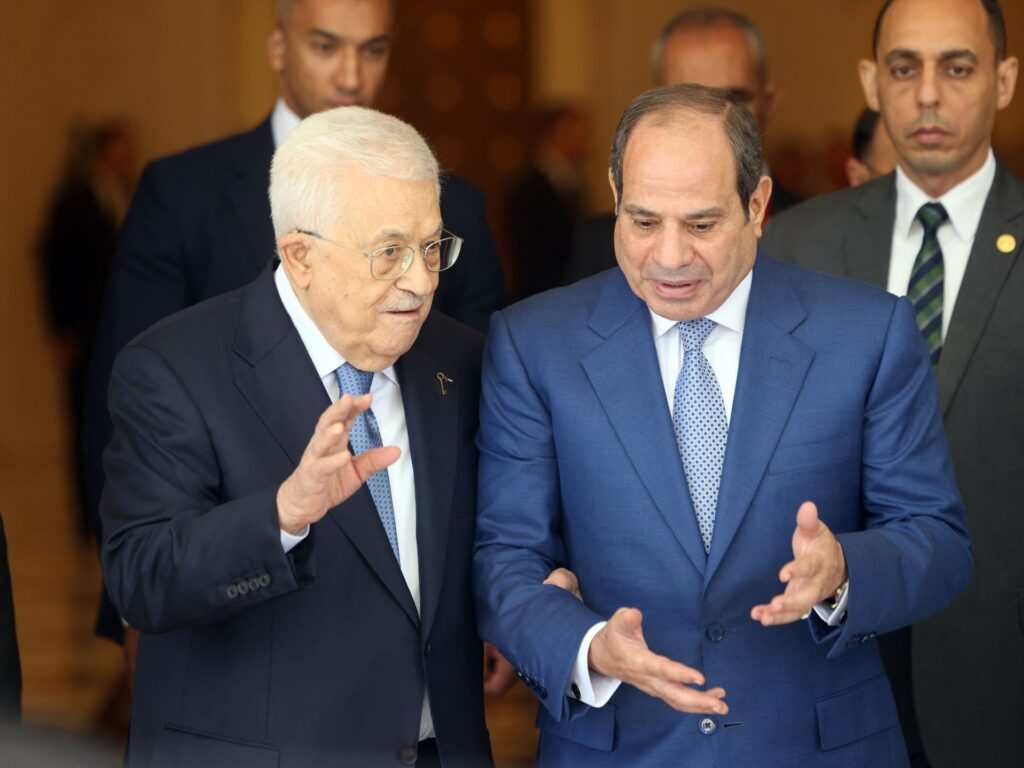
President Abdel Fattah el‑Sisi responded to Gallant’s comments during a press briefing at the presidential palace in Cairo on 15 September 2026. He categorically rejected any plan to move Palestinians out of Gaza, calling it “a violation of international law and a threat to regional stability.” Sisi emphasized that Egypt, which shares a 13‑kilometre border with Gaza at Rafah, cannot allow a humanitarian catastrophe on its doorstep.
Sisi’s rejection is not merely a moral pronouncement; it reflects Egypt’s broader security and economic concerns. The Egyptian government has long feared that a sudden influx of refugees would overwhelm the already strained services in the Sinai Peninsula and strain the delicate balance of power with Israel, a key partner in counter‑terrorism and water‑resource negotiations.
Analysts note that Sisi’s position also serves a domestic political purpose. By positioning Egypt as a defender of Palestinian rights, he reinforces his regime’s nationalist credentials at home, where public opinion remains deeply sympathetic to the Palestinian cause.
Why the rejection matters for the region and Africa
Egypt is Africa’s most populous Arab state and a pivotal member of the African Union (AU). Its refusal to endorse a forced displacement sets a precedent for how African nations might respond to similar crises elsewhere, particularly in conflict zones where external powers propose population transfers as a “solution.”
The Nile River, which supplies water to Egypt, Sudan and Ethiopia, is already a flashpoint in African geopolitics. Any large‑scale movement of people across the Sinai could strain Egypt’s resources, potentially forcing the government to divert attention and funds away from its long‑running negotiations over the Grand Ethiopian Renaissance Dam (GERD). In this sense, Sisi’s stance helps keep Egypt’s diplomatic bandwidth focused on water security rather than a humanitarian quagmire.
Moreover, the African diaspora in Europe and North America watches the Gaza situation closely. Many African‑born Palestinians and Egyptian expatriates have organized protests in cities like London, Paris and New York, demanding that African governments speak out. Sisi’s public denial of displacement therefore resonates beyond the continent, influencing diaspora activism and shaping how African NGOs lobby the United Nations.
Reactions across the Middle East and African diaspora
Other Arab capitals have largely echoed Egypt’s language, calling for “a negotiated solution that respects Palestinian rights.” Saudi Arabia’s foreign minister, Prince Faisal bin Farhan, told Al Arabiya that any attempt to relocate civilians would “only deepen the tragedy.” However, some Gulf states have remained silent, wary of jeopardising their security cooperation with Israel.
In Africa, the South African Department of International Relations issued a brief statement urging “all parties to adhere to international humanitarian law.” The African Union’s Peace and Security Council, meeting in Addis Ababa later this month, is expected to debate a resolution that would condemn forced displacement and call for an immediate ceasefire.
Among the diaspora, community leaders in Lagos, Nairobi and Johannesburg have organised town‑hall webinars to discuss the potential ripple effects of a Gaza exodus on African migration patterns. While the likelihood of a mass flow of refugees to Africa is low, the discussions highlight a growing awareness that Middle‑East conflicts can have indirect impacts on African economies, especially through remittances and trade links.
What could happen next: scenarios and diplomatic pathways
If Israel proceeds with a formal plan to evacuate Gaza, it will need the cooperation of Egypt to manage the Rafah crossing, the only viable exit point for civilians. Sisi’s outright rejection suggests that any such cooperation would require substantial concessions, possibly including guarantees on water‑sharing, security assistance in the Sinai, or economic aid packages worth billions of dollars.
Alternatively, diplomatic pressure from the United Nations, the European Union and a coalition of African states could force Israel to reconsider the displacement proposal. The International Court of Justice has already opened a preliminary hearing on alleged violations of the Geneva Conventions, and a ruling against forced transfer could compel Israel to look for other ways to address its security concerns.
A third, less optimistic scenario sees the stalemate continue, with Gaza remaining under siege and civilian casualties mounting. In that case, Egypt may be forced to open the Rafah crossing on humanitarian grounds alone, a move that could trigger a surge of refugees into the Sinai and strain Egypt’s already fragile economy. This outcome would likely intensify internal dissent within Egypt and could destabilise the broader Horn of Africa.
Quick Answers
What did Egypt’s president say about Israel’s Gaza displacement plan?
President Abdel Fattah el‑Sisi said any forced relocation of Palestinians from Gaza would violate international law and threaten regional stability.
Why is Egypt’s rejection of Gaza displacement important for Africa?
Egypt’s stance sets a precedent for African nations on population‑transfer proposals, affects Nile‑water negotiations, and influences diaspora activism across the continent.
What are the possible next steps after Israel’s defence minister suggested moving Gaza’s civilians?
Options include diplomatic negotiations with Egypt for crossing access, international legal pressure to halt the plan, or a humanitarian opening of Rafah that could trigger a refugee influx into the Sinai.
Source: www.aljazeera.com


💬 Comments 0