Eight dead, dozens missing after ferry capsizes off northern Cyprus – what it means for safety and tourism in 2026
The tragedy in context – what happened
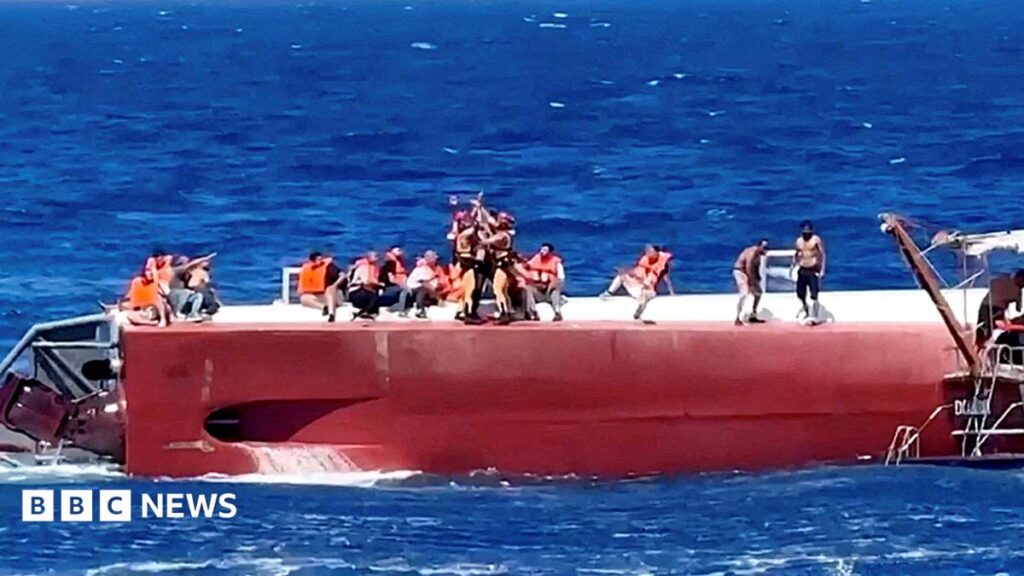
In the early hours of August 30, a passenger ferry that had departed from Kyrenia harbour in the Turkish‑controlled north of Cyprus overturned in the calm waters of the Mediterranean. The vessel, which was reportedly carrying close to 270 passengers and crew, listed to one side before sinking, prompting a frantic rescue operation by local coastguard units, the Turkish Navy and civilian volunteers.
Authorities confirmed eight fatalities and announced that dozens more remain missing, with rescue teams still combing the sea for survivors. The exact cause of the capsizing is still under investigation, but early statements from the Turkish Cypriot Transport Ministry suggest that an unexpected shift in cargo weight combined with rough sea swells may have destabilised the boat.
The incident has sent shockwaves through the tightly knit communities of the island, where ferry services are a lifeline for both locals and tourists moving between the north and south. Families of the missing are gathering at the Kyrenia port, while hospitals in Nicosia have been alerted to receive any injured passengers.
Safety lapses and regulatory gaps in the Eastern Mediterranean
The capsizing adds to a string of maritime mishaps that have plagued the Eastern Mediterranean over the past decade, ranging from the 2020 cargo ship fire off Crete to the 2024 migrant boat disaster near Greece. Experts say the region suffers from fragmented oversight, with different jurisdictions applying varying standards for vessel inspections, crew certification and passenger limits.
According to a 2025 European Maritime Safety Agency (EMSA) report, the Turkish Republic of Northern Cyprus (TRNC) lacks a fully accredited classification society, meaning many locally operated ferries are inspected by private firms with limited transparency. The report warned that without harmonised EU‑aligned regulations, safety gaps are likely to persist.
Local officials have defended the existing framework, noting that the ferry in question held a valid safety certificate issued by the TRNC Maritime Authority. However, opposition parties and maritime unions have called for an independent audit, arguing that past incidents were often down‑played to protect the tourism‑driven economy.
Ripple effects on tourism and African travelers
Cyprus has positioned itself as a Mediterranean hub for European, Middle Eastern and African tourists, with direct flights from Lagos, Nairobi and Johannesburg increasing by 18% since 2022. The ferry route between Kyrenia and the southern coast is a popular shortcut for tourists wishing to explore both sides of the divided island.
The disaster is likely to dampen confidence among African travelers, many of whom rely on word‑of‑mouth recommendations from diaspora communities. Travel agencies in Nigeria and Kenya have already reported a spike in cancellation requests for trips that include a ferry segment, according to a spokesperson at a Nairobi‑based tour operator.
Beyond individual bookings, the incident could affect broader economic ties. Cyprus hosts several African business delegations each year, and a perceived decline in transport safety may deter investors from sectors such as fintech, renewable energy and education that are actively seeking a foothold on the island.
Lessons from past maritime disasters and the push for reform
Historically, high‑profile shipwrecks have sparked regulatory overhauls. The 2012 Costa Concordia grounding off Italy led to the International Maritime Organization tightening rules on passenger‑ship stability calculations. Similarly, the 2024 migrant boat tragedy off Lesbos spurred the EU to fund new life‑saving vessels for coastal states.
Civil society groups in Cyprus are now echoing those demands. The NGO SeaSafe Cyprus, which monitors maritime safety in the region, has filed a petition urging the TRNC government to adopt EU‑standard passenger‑ship stability tests and to create a joint safety oversight board with the Republic of Cyprus.
If the investigation confirms that overloading or inadequate ballast management contributed to the capsizing, the fallout could accelerate the adoption of stricter load‑monitoring technology, such as real‑time digital weight sensors that are already mandatory on larger cruise ships in the Caribbean.
What comes next – investigations, compensation and policy change
A multi‑agency commission, led by the Turkish Cypriot Ministry of Transport and supported by EU maritime experts, is slated to release a preliminary report within the next 30 days. The commission will examine the vessel’s maintenance logs, crew training records and the loading procedures used on the day of the incident.
Families of the victims are expected to seek compensation through both local courts and the International Maritime Organization’s Compensation Fund, which covers passenger‑ship accidents when a flag state is unable or unwilling to pay. Legal analysts say the fund could be tapped if the ferry was found to be operating under a flag of convenience, a common practice in the region that sometimes obscures liability.
In the longer term, the tragedy could become a catalyst for deeper cooperation between the north and south of Cyprus on maritime safety. Recent informal talks have hinted at a joint emergency‑response centre that would pool resources, a move that could benefit not only tourists but also the growing number of African cargo shipments that transit the island’s ports.
Quick Answers
How many people were on the ferry that capsized off northern Cyprus?
The vessel was reported to be carrying close to 270 passengers and crew members.
What is believed to have caused the ferry to overturn?
Early statements point to a sudden shift in cargo weight combined with unexpected sea swells, though a full investigation is still pending.
How might the disaster affect African tourists traveling to Cyprus?
The incident may lower confidence among African travelers, leading to cancellations and prompting agencies to reassess itineraries that include ferry travel across the island.
Source: www.bbc.co.uk



💬 Comments 0