Elon Musk Says Tesla and SpaceX Are Forming Committees to Explore a 2026 Mega‑Merger
Background: Two Titans, One Vision
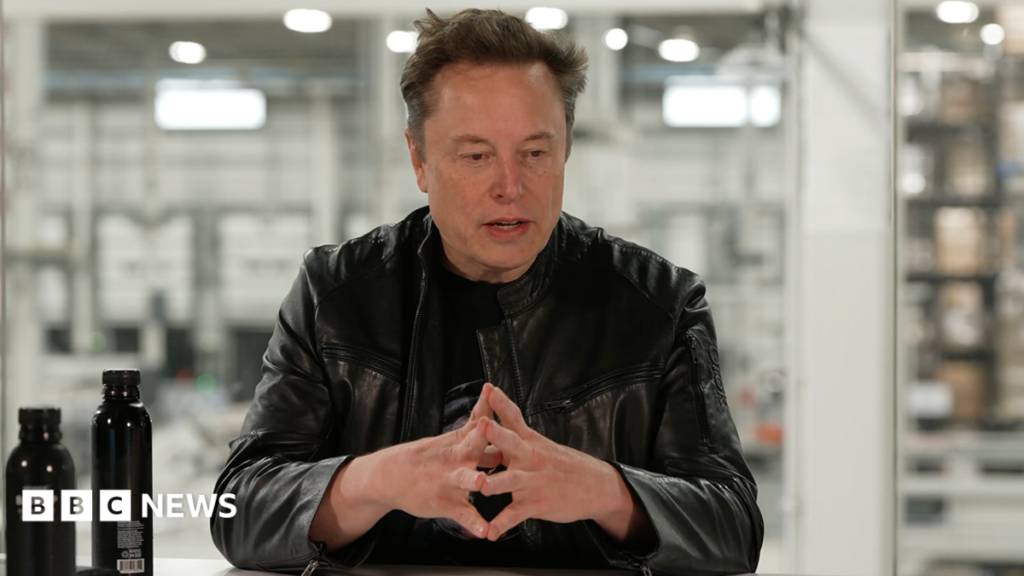
Since buying Tesla in 2004 and founding SpaceX in 2002, Elon Musk has run two of the most influential technology companies on the planet. While each operates in a distinct sector—electric vehicles and renewable energy on the ground, and rockets and satellite internet in space—their underlying mission to accelerate the transition to sustainable energy has often overlapped. Joint projects such as using Starlink broadband to support Tesla’s autonomous‑driving data network and the planned use of SpaceX’s Falcon rockets to launch Tesla‑branded solar satellites illustrate that the two firms have already been collaborating behind the scenes.
The idea of a formal merger has floated in industry circles for years, especially after Musk hinted in 2022 that a “more integrated” approach could reduce costs for both hardware and software development. However, regulatory hurdles, differing corporate cultures, and the sheer scale of each business kept the concept theoretical. By early 2026, both companies faced mounting pressure: Tesla’s market share was slipping amid fierce competition from Chinese EV makers, while SpaceX’s Starlink was contending with new satellite constellations from rivals like Amazon’s Project Kuiper.
In this context, Musk’s recent comment that “special committees within both companies have been formed to look at a possible mega‑merger” marks the first concrete step toward turning speculation into a boardroom agenda. According to a filing with the U.S. Securities and Exchange Commission, the committees will assess strategic fit, financial implications, and potential regulatory pathways, signaling that the discussion is moving beyond informal brainstorming.
Why the Timing Matters: Market Pressures and Strategic Synergies
Tesla’s quarterly results for Q2 2026 showed a 12 % decline in profit margins, largely attributed to price wars in Europe and a slowdown in battery supply chains. At the same time, SpaceX’s Starlink revenue growth has plateaued as African and Asian markets reach saturation points without adequate ground‑infrastructure. A combined entity could leverage Tesla’s expertise in battery storage to power remote Starlink ground stations, while using SpaceX’s launch capacity to deploy next‑generation solar‑power satellites that feed energy directly into Tesla’s grid‑storage products.
Analysts also point to the looming competition from AI‑driven autonomous platforms. Companies like Baidu and Nvidia are developing integrated AI‑hardware ecosystems that could undercut both Tesla’s self‑driving stack and SpaceX’s satellite‑based internet services. By merging, Musk could create a vertically integrated platform where AI, energy, and connectivity are bundled, making it harder for rivals to replicate the full value chain.
Regulatory timing is another factor. In the United States, the Federal Trade Commission has signaled a tougher stance on mega‑mergers in the tech sector, but it also offers expedited review for deals that claim to advance national security or climate goals. Musk’s public framing of the merger as a climate‑accelerating move may be a calculated effort to position the deal within a favorable regulatory niche.
Global Implications: Competition, Regulation, and Investor Sentiment
A Tesla‑SpaceX merger would create a conglomerate with a market valuation potentially exceeding $2 trillion, dwarfing most existing aerospace and automotive firms. Such scale could reshape competition, especially in the satellite‑internet market where Starlink currently holds a 20 % share of global broadband users. Competitors would need to match not only launch capacity but also the integrated energy solutions that a merged entity could offer, raising the bar for entry.
Regulators in the EU and China have already expressed concern about the concentration of power in the hands of a single tech mogul. The European Commission’s competition directorate warned that a combined Tesla‑SpaceX could dominate both the EV charging infrastructure and the satellite‑internet landscape, potentially stifling local innovators. In China, state‑run firms such as BYD and China Aerospace Science and Technology Corporation are likely to intensify their own integration efforts to counterbalance any U.S. dominance.
Investor reaction has been mixed. While Tesla’s stock rose 4 % after the announcement, SpaceX’s private‑round valuations dipped slightly as shareholders weigh the risk of antitrust scrutiny. Hedge funds with exposure to renewable‑energy ETFs are recalibrating their models to account for a possible shift in capital allocation from pure EV production to a broader energy‑plus‑connectivity portfolio.
African Angle: What a Merger Could Mean for the Continent
Africa stands to be a significant beneficiary—or casualty—of a Tesla‑SpaceX merger. Starlink already provides broadband to remote communities in Kenya, Nigeria, and South Africa, but coverage gaps remain due to the high cost of ground‑station power. If Tesla’s battery‑storage technology were bundled with Starlink, the cost of deploying reliable internet in off‑grid areas could drop dramatically, accelerating digital inclusion across the continent.
On the EV front, African governments are rolling out ambitious electrification plans, with Kenya targeting 1 million electric vehicles by 2030 and South Africa’s Renewable Energy Independent Power Producer Procurement Programme (REIPPPP) encouraging local battery‑manufacturing. A merged entity could leverage SpaceX’s launch services to deliver large‑scale solar‑satellite constellations that beam power directly to African micro‑grids, complementing Tesla’s solar‑roof and Powerwall solutions. This could lower the upfront capital required for renewable projects, making them more attractive to African investors and development banks.
However, the merger also raises concerns for African startups. Companies like Kenya’s solar‑EV charger maker Mazi and Nigeria’s satellite‑internet pioneer SpaceY are already navigating a market dominated by foreign giants. A combined Tesla‑SpaceX could tighten control over critical supply chains—battery cells, launch slots, and spectrum—potentially crowding out local innovators unless they secure partnership agreements. Industry observers in Lagos and Johannesburg have called for regional policy frameworks that ensure technology transfer and local content requirements in any future deals.
What Comes Next: Scenarios, Hurdles, and Timeline
The committees Musk appointed are expected to deliver a preliminary report within the next three months, according to insiders familiar with the process. Their mandate includes evaluating corporate structure options—whether to create a holding company, a full legal merger, or a strategic alliance that shares assets while keeping separate boards. Each path carries distinct regulatory and tax implications that will shape the speed of any announcement.
If the merger proceeds, the most likely first step will be a joint filing with the U.S. Securities and Exchange Commission and a request for a “climate‑benefit” review from the FTC. This could buy the companies several months of conditional approval, but it also opens the door for legal challenges from competitors and consumer‑rights groups. Simultaneously, the firms will need to harmonize their corporate cultures—a known obstacle given SpaceX’s fast‑paced, launch‑centric mindset versus Tesla’s manufacturing‑driven operations.
Should the merger stall, analysts predict alternative collaborations could still emerge. For instance, a long‑term supply agreement for Tesla batteries on SpaceX’s Starlink ground stations, or a joint venture to develop “energy‑as‑a‑service” packages for African telecom operators, could materialize without a full legal consolidation. Either scenario will keep both companies at the forefront of the sustainability and connectivity race, while continuing to influence markets far beyond the United States.
Quick Answers
What is the purpose of the special committees Musk created at Tesla and SpaceX?
The committees are tasked with evaluating the strategic, financial, and regulatory feasibility of a possible merger between the two companies.
How could a Tesla‑SpaceX merger affect internet access in Africa?
By combining Tesla’s battery‑storage tech with Starlink, the cost of powering remote ground stations could fall, expanding affordable broadband to underserved African regions.
When might a decision on the merger be announced?
Insiders say the committees aim to deliver an initial report within three months, so a public update could appear by early 2027.
Source: www.bbc.co.uk

💬 Comments 0