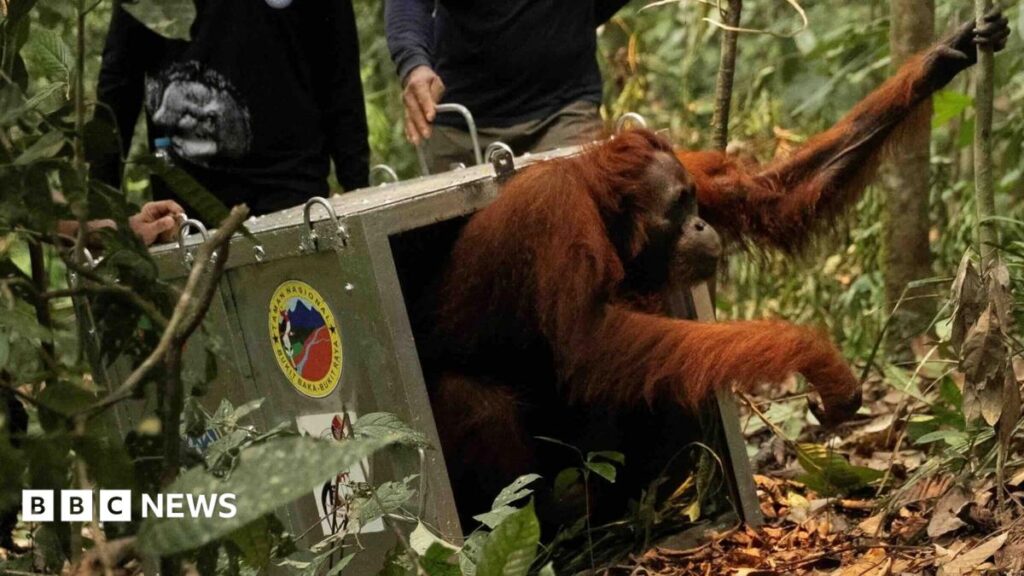
Endangered orangutans released in Borneo after 2024 fires – 12 rescued apes back in the wild
The 2024 Borneo wildfires and their ecological fallout
Between August and September 2024, a series of intense wildfires ripped through the lowland rainforests of Indonesian Kalimantan and Malaysian Sarawak, scorching more than 1.2 million hectares of peatland. The blaze was driven by a perfect storm of prolonged drought, illegal slash‑and‑burn agriculture, and the region's notoriously slow‑to‑recover peat soils, which release carbon for decades after burning.
Scientists estimate that the fires destroyed up to 30 percent of critical orangutan habitat, fragmenting the remaining forest into isolated pockets. For the critically endangered Bornean orangutan (Pongo pygmaeus), which already faces a 50‑percent population decline over the past three decades, the loss of canopy and fruiting trees meant a sudden shortage of food and safe travel corridors.
Beyond the immediate loss of trees, the smoke plume spread across Southeast Asia, worsening air quality in Jakarta, Kuala Lumpur and even Singapore. The event highlighted how climate‑linked disasters in one part of the tropics can ripple through regional economies and public health, a pattern that African nations are beginning to see in their own savanna and forest fires.
How the rescue and rehabilitation effort unfolded
When the flames reached the remote forest block near Central Kalimantan, a coalition of local NGOs—including the Borneo Orangutan Survival Foundation (BOS) and the Indonesian Ministry of Environment and Forestry—mobilised rapid‑response teams. Over two weeks, they rescued twelve juvenile orangutans that had been trapped in burning trees, using helicopters and custom‑made heat‑resistant nets.
The rescued apes were taken to the Nyaru Menteng rehabilitation centre, a facility that has cared for more than 300 orangutans since its opening in 1995. There, veterinarians treated smoke inhalation and burn injuries, while behavioural specialists re‑trained the youngsters to forage, climb and avoid human contact. According to a BOS spokesperson, the rehabilitation period lasted an average of nine months, longer than the typical six‑month timeline because of the severe stress the animals endured.
Funding for the operation came from a mix of private donors, corporate sponsors, and a newly‑launched carbon‑offset program that sells credits generated by protecting intact peatlands. The program, launched by a European fintech firm in partnership with Indonesian NGOs, earmarked a portion of each credit to cover emergency wildlife rescue costs, a model that African conservation groups are watching closely.
Why the release of these orangutans matters for biodiversity and climate
Re‑introducing the twelve orangutans into the wild does more than add numbers to a dwindling species; it restores vital ecological functions. Orangutans are seed dispersers for over 500 tree species, many of which are keystone plants that stabilise soil and store carbon. Their movement across the forest helps regenerate areas that the fires devastated, accelerating natural reforestation and reducing future fire risk.
From a genetic standpoint, the rescued juveniles represent a rare infusion of diversity. Genetic studies show that isolated orangutan populations are suffering from inbreeding depression, which can lower reproductive success. By returning these individuals to a relatively intact forest fragment, scientists hope to boost gene flow and improve the long‑term resilience of the species.
The release also serves as a tangible outcome for international climate finance. The United Nations’ REDD+ (Reducing Emissions from Deforestation and Forest Degradation) mechanism ties carbon credits to forest protection. Successful wildlife rescues demonstrate that climate funds can deliver co‑benefits for biodiversity, a narrative that African nations are leveraging to argue for greater allocation of green finance to their own forest guardians.
Connecting Borneo’s plight to broader trends affecting Africa
The Borneo fires are part of a global surge in forest‑burning events linked to hotter, drier conditions. In the same year, the Sahel region experienced its worst wildfire season on record, scorching over 4 million hectares of grassland and threatening pastoralist livelihoods. Both continents share a reliance on peat and savanna ecosystems that act as carbon sinks but become fire magnets when moisture levels drop.
African NGOs such as the Wildlife Conservation Society’s Africa program have cited the Borneo rescue as a case study for improving rapid‑response capacity on the continent. They argue that the blend of local community engagement, government coordination, and climate‑finance backing could be replicated in places like the Congo Basin, where illegal logging and slash‑and‑burn agriculture pose similar risks to forest‑dwelling great apes.
The diaspora angle is also emerging. Nigerian and Kenyan tech entrepreneurs are investing in blockchain‑based carbon‑credit platforms that track reforestation outcomes in real time. By linking credits to verified wildlife rescues—like the orangutan release—these platforms aim to attract impact‑focused investors from the African diaspora, creating a feedback loop between Southeast Asian conservation successes and African climate‑action financing.
What comes next: monitoring, policy, and lessons for future crises
The released orangutans will be fitted with GPS collars that transmit location data to a central monitoring hub. Researchers plan to track their ranging patterns for at least two years, assessing whether the apes successfully reintegrate into existing social groups and avoid human‑conflict zones. Early data will inform future translocation protocols across the region.
Policy‑makers in Indonesia have pledged to tighten enforcement against illegal land‑clearing, a primary driver of peat fires. The Ministry announced a new “Zero‑Burn” ordinance for the next planting season, coupled with subsidies for farmers who adopt mechanised, fire‑free clearing methods. Observers note that similar regulatory shifts are underway in Kenya’s Mau Forest, where community‑based fire‑prevention schemes are being scaled up.
For African conservationists, the Borneo episode underscores the importance of pre‑emptive funding mechanisms that can be activated instantly when disasters strike. The emerging model of earmarked carbon credits, emergency wildlife rescue funds, and cross‑regional knowledge exchange could become a template for building climate‑resilient wildlife corridors across the continent.
Quick Answers
How many orangutans were released back into the wild after the 2024 Borneo fires?
Twelve rescued juvenile orangutans were fitted with GPS collars and released into a protected forest fragment in Central Kalimantan.
What caused the massive wildfires that destroyed orangutan habitat in Borneo in 2024?
A combination of prolonged drought, illegal slash‑and‑burn agriculture, and the ignition of peat soils sparked the fires that burned over 1.2 million hectares.
How does the Borneo orangutan rescue relate to conservation efforts in Africa?
The rescue showcases a rapid‑response model that African NGOs are adapting for savanna and forest fires, and the carbon‑credit funding approach is being explored by African diaspora investors to support similar projects on the continent.
Source: www.bbc.co.uk




💬 Comments 0