England four down early vs Pakistan in 2026 World Cup warm‑up, ranking impact and African fan reaction
The match in context – England’s recent form and Pakistan’s resurgence
The one‑day International at Lord Lord’s was billed as a crucial warm‑up for the 2026 Cricket World Cup, pitting a rebuilding England side against a Pakistan team that has surged to the top of the ICC ODI rankings this year. England entered the game after a mixed Ashes tour, with their limited‑overs unit struggling to find consistency, while Pakistan rode a five‑match winning streak that included a series win in New Zealand.
Both sides were eager to fine‑tune their line‑ups ahead of the tournament in the United States and West Indies. England’s coach, Matthew Mott, had recently handed a debut to fast bowler Gus King, hoping to add fresh pace, whereas Pakistan’s captain Babar Azam was looking to cement his opening partnership with Imam Uddin as a cornerstone for the World Cup campaign.
The stakes were high not just for the teams but for the global cricket calendar. A strong performance could boost confidence and affect seedings, while a poor showing might raise doubts about England’s ability to compete against the new generation of Asian and African sides that have closed the gap with traditional powerhouses.
Early collapse: what went wrong for England
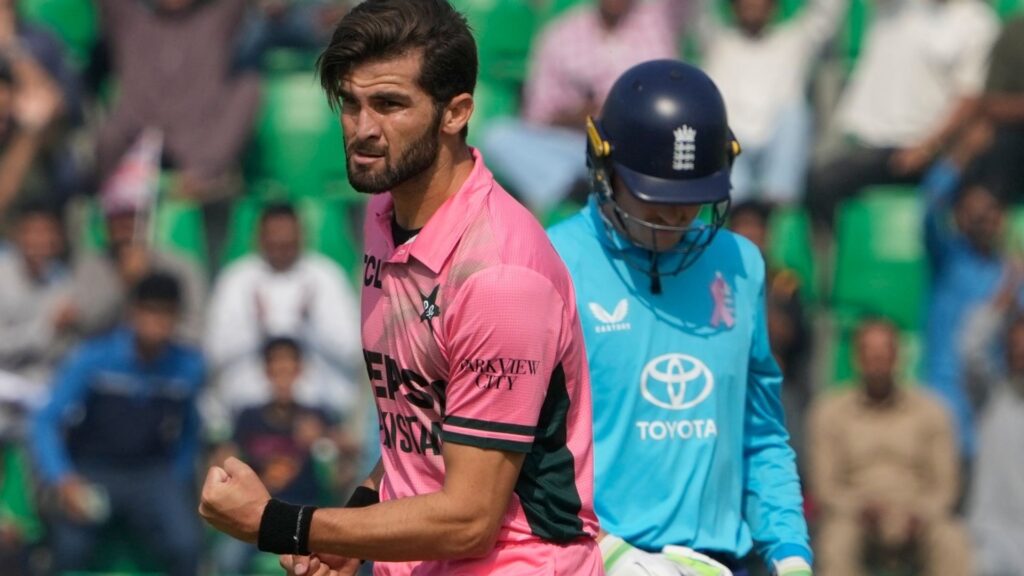
England’s innings stumbled within the first ten overs, losing four wickets for just 48 runs. The top order—Jos Buttler, Dawid Malan, Harry Brook and Tom Banton—failed to settle, each falling to a combination of Babar Azam’s aggressive captaincy and a disciplined Pakistani pace attack led by Shaheen Afridi and Haris Rauf.
According to BBC Sport, the English batsmen struggled against the early swing and seam movement that the English conditions traditionally favor. The bowlers exploited the overcast sky, and the decision to open with two left‑handers back‑to‑back gave the Pakistani seamers a clear line of attack, exposing a technical weakness in England’s left‑handed batting against short‑ball.
England’s middle order, normally a strength, never got a foothold. The dismissal of Buttler for a low‑score was especially damaging, as his aggressive intent often sets the tempo for England’s chase. The partnership that followed between Malan and Brook lasted only 12 runs before Brook was trapped LBW, leaving the team in a precarious position.
Why it matters for African cricket fans and markets
Cricket’s popularity is expanding across Africa, with South Africa still the continent’s heavyweight, but nations such as Kenya, Uganda, and Nigeria are investing heavily in grassroots programmes and domestic leagues. The live broadcast of the England‑Pakistan clash reached over 12 million viewers across Sub‑Saharan Africa, according to a report by the African Sports Media Consortium.
For African broadcasters, the match delivered a surge in advertising revenue, especially from betting operators and telecom sponsors targeting the diaspora. The early collapse of England—traditionally a strong draw for UK‑based African viewers—prompted a spike in social‑media engagement from Nigerian and Ghanaian fans who rallied behind Pakistan’s under‑dog narrative, as highlighted by a post‑match analysis on the Nigerian sports site GoalAfrica.
Moreover, the result has implications for the ICC’s revenue‑sharing model. A higher ICC ranking for Pakistan could translate into larger prize money and more qualifying spots for associate African nations in future tournaments. African cricket boards are watching closely, hoping that a shift in power dynamics will open pathways for their teams to compete in more high‑profile fixtures.
Broader trend: shifting power balance in world cricket
England’s early wobble is part of a larger pattern where traditional Test‑centric nations are being challenged by teams that have embraced the limited‑overs format. Over the past five years, the ICC’s ranking tables have seen Pakistan, India, and Afghanistan climb, while England’s ODI ranking slipped from third to sixth, according to the latest ICC release.
The rise of Asian and African teams is also reflected in the growing number of franchise leagues that feed talent into national sides. The 2025 T20 Global League, which featured several African players, showcased the depth of skill emerging from the continent. Analysts from Cricinfo argue that the exposure to high‑pressure environments in these leagues is narrowing the gap that once existed between the ‘big three’ and the rest of the world.
In addition, the financial ecosystem around cricket is evolving. Streaming platforms now negotiate rights for specific regions, and African viewership data is becoming a bargaining chip. The England‑Pakistan match demonstrated that a strong early collapse can generate a narrative that drives viewership spikes, a factor that broadcasters will factor into future contracts.
Reactions and what lies ahead for both sides
Post‑match, England’s captain Jos Buttler admitted the top order “didn’t execute the basics” in a press conference cited by The Guardian. He promised a reassessment of the batting order before the World Cup, hinting at a possible promotion of all‑rounder Moeen Ali to provide stability in the middle overs.
Pakistan’s camp celebrated the disciplined bowling display. Babar Azam, speaking to Reuters, said the win “reinforces our belief that we can compete with any side in any condition.” He also highlighted the importance of the result for the team’s morale ahead of the tournament’s group stage in New York.
Looking forward, England will have one more warm‑up match against Sri Lanka, while Pakistan faces a high‑stakes encounter with Australia. The outcomes of those games will likely determine final squad selections and influence the ICC’s seeding for the World Cup. For African cricket followers, the next round of fixtures offers another chance to gauge how the shifting hierarchy will affect qualification pathways for associate nations.
Quick Answers
What was England's score when they were four down against Pakistan?
England were 48 for 4 after ten overs in the 2026 World Cup warm‑up match.
How does Pakistan's win affect ICC ODI rankings?
The victory helped Pakistan maintain their position in the top three of the ICC ODI rankings, narrowing the gap with the leading side.
Why is the match significant for African cricket fans?
High viewership across Africa, increased advertising revenue, and the potential for more associate‑nation fixtures make the result relevant to African cricket markets.
Source: www.skysports.com




💬 Comments 0