England vs Norway Nations League quarter‑final 2026: Haaland showdown and its impact on African fans and markets
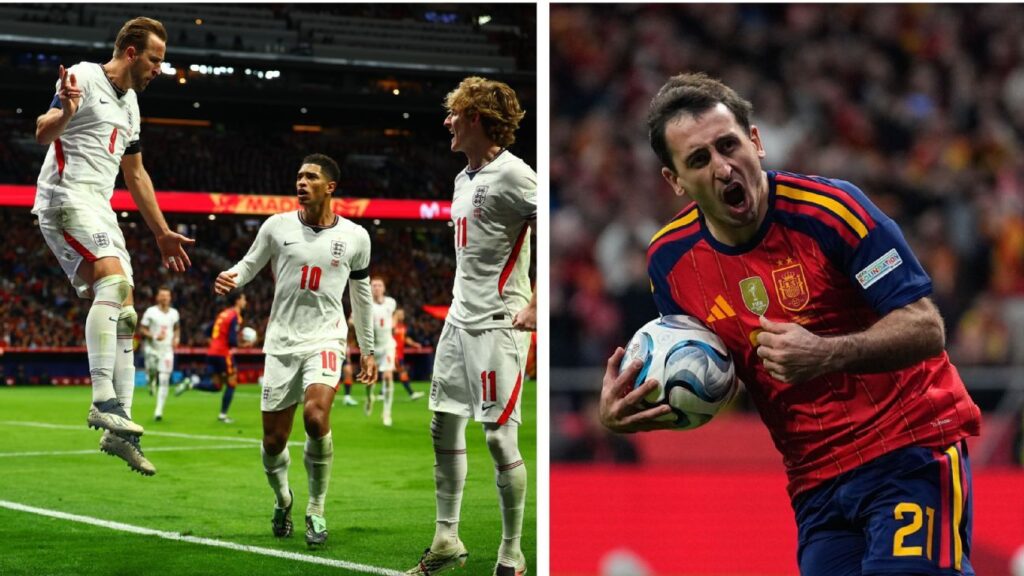
The draw sets the stage for a high‑stakes quarter‑final
On 20 November 2026 UEFA released the Nations League quarter‑final pairings, pitting England against Norway and the reigning world champions Spain against France. The matches are scheduled for early March 2027 and will determine which teams advance to the semi‑finals, a crucial step on the road to Euro 2028. For the European giants, a win not only brings a trophy but also a psychological edge ahead of the continental championship.
The Nations League, introduced in 2018, has become a barometer of form for the continent’s elite. While the competition still carries less prestige than the European Championship, its knockout format creates high‑intensity fixtures that often reveal emerging trends, such as tactical shifts or the rise of new star players. This year’s draw, therefore, is more than a scheduling note; it signals potential pathways for the teams involved.
England’s encounter with Norway is especially intriguing because it pits a traditional football powerhouse against a side led by one of the sport’s most prolific scorers, Erling Haaland. Meanwhile, the Spain‑France clash revives a rivalry that has defined European football for decades, promising a tactical masterclass that will be dissected by analysts worldwide.
England’s journey and the Haaland factor
England entered the Nations League after a mixed 2026 World Cup qualifying campaign, finishing second in their group but securing a place in the knockout stage thanks to a superior goal difference. Manager Gareth Southgate has emphasized the tournament as a testing ground for younger talent, rotating the squad to give experience to players like Jude Bellingham and Bukayo Saka while maintaining a competitive edge.
Norway, under the stewardship of Ståle Solbakken, have surprised many by reaching the quarter‑finals, largely thanks to Haaland’s 28‑goal haul in the qualifying round. The striker’s physical presence and clinical finishing have forced England’s defence, which has struggled at times against high‑pressing, direct attacks, to adapt. Southgate’s recent comments suggest a tactical plan that could involve a deeper defensive line and quick transitions to exploit any space behind Norway’s back‑line.
The matchup also carries commercial implications. England’s games attract massive global audiences, and a high‑profile duel with Haaland’s Norway promises record viewership numbers, especially in markets where both the Premier League and the Bundesliga enjoy strong followings. Broadcasters in the UK, Norway, and beyond are already negotiating premium ad slots, anticipating a surge in real‑time betting activity.
Spain versus France: a clash of styles and ambitions
Spain’s squad, still riding the momentum of their 2022 World Cup triumph, blends veteran mastery with a new generation of technically gifted players such as Pedri and Gavi. Their possession‑based approach, honed under Luis de la Fuente, aims to dominate the midfield against France’s physically robust and tactically versatile side.
France, coached by Didier Deschamps, relies on a balance of flair and discipline, with Kylian Mbappé leading the attack and a deep‑lying midfield anchored by Aurélien Tchouaméni. The French team has used the Nations League to experiment with a three‑centre‑back system that could become a staple for Euro 2028, a change that analysts say may force Spain to adapt their traditional 4‑3‑3 shape.
Beyond the tactical chessboard, the Spain‑France tie has significant financial stakes. Both federations are among the top earners from UEFA’s distribution model, and a semi‑final appearance guarantees a larger share of prize money and broadcasting revenue. The outcome will also shape the market value of several players, influencing transfer negotiations that involve clubs with strong African talent pipelines.
African diaspora, markets and the Nations League spotlight
While the quarter‑finals do not feature an African nation, the impact on African audiences and markets is tangible. The United Kingdom hosts the largest African diaspora in Europe, with Nigerians, Ghanaians, and Kenyans forming a sizable viewership base that tunes in to England’s matches. Social media trends show that hashtags related to the England‑Norway game often intersect with discussions about African‑born Premier League stars such as Bukayo Saka (of Nigerian descent) and Mohamed Salah (Egyptian), amplifying the relevance of the fixture for African fans.
In Spain and France, sizable North‑African communities—particularly in cities like Barcelona, Marseille, and Paris—follow the national teams closely. The Nations League provides a platform for these diaspora groups to rally around their adopted nations while also celebrating their cultural heritage. For instance, French‑Algerian footballer Rabiot’s performance is frequently highlighted in Algerian media, linking the game to broader conversations about identity and representation.
Economically, betting firms operating in Nigeria, South Africa, and Kenya have reported spikes in stakes placed on England and Norway matches, reflecting the growing appetite for European football among African bettors. This surge translates into higher tax revenues for local regulators and increased sponsorship opportunities for African broadcasters seeking rights to air the games. Moreover, the exposure can boost the marketability of African‑origin players, potentially leading to more lucrative endorsement deals.
What the results could mean for Euro 2028 and beyond
A win for England would secure a semi‑final berth and likely boost the squad’s confidence heading into the Euro 2028 qualifiers. It would also reinforce Southgate’s strategy of integrating younger talent, a model that could inspire other nations with strong African‑born player pools to adopt similar pathways. Conversely, a loss could prompt a tactical overhaul and intensify scrutiny over England’s defensive organization, especially against physically imposing forwards like Haaland.
Should Norway upset England, the narrative would shift dramatically. Haaland’s performance on the biggest stage could accelerate his already astronomical market value, influencing transfer dynamics involving clubs that regularly sign African forwards. Such a scenario might also encourage smaller European nations to invest more heavily in youth development, a trend that could benefit African academies looking for European partnerships.
The Spain‑France result will likely set the tone for the rest of the Nations League. A Spanish victory could cement their possession‑centric philosophy as the benchmark for upcoming tournaments, while a French win might validate their defensive restructuring. Both outcomes will affect scouting priorities across Europe, including the African continent, where clubs often scout for players capable of thriving in either system.
Quick Answers
When and where will England play Norway in the Nations League quarter‑final?
The match is scheduled for early March 2027 and will be held at Wembley Stadium in London.
How could the England‑Norway game affect African football fans?
The fixture draws large viewership from African diaspora communities in the UK and boosts betting activity in African markets, influencing revenue and exposure for African‑origin players.
What does a win mean for England’s Euro 2028 prospects?
Advancing to the semi‑final would raise confidence, validate Southgate’s youth‑integration strategy, and provide momentum heading into Euro 2028 qualifying.
Source: www.espn.com




💬 Comments 0