Espanyol sack Manolo González after Copa del Rey loss to Sestao River; J.J. Watt‑owned club in turmoil 2026
Background: Espanyol’s recent turmoil
RCD Espanyol entered the 2026‑27 season under a cloud of financial uncertainty. The club, based in Barcelona’s working‑class district of Gràcia, has struggled to balance its books after the pandemic‑era revenue dip and a costly player‑swap deal that saw several academy prospects leave for rivals. The ownership group, which includes former NFL defensive end J.J. Watt, stepped in two years ago promising fresh capital and a global branding push, but the promised influx has been slower than expected.
On the pitch, the team has been inconsistent. A mid‑table finish in LaLiga last season was followed by a string of draws and defeats that left them hovering near the relegation zone. Fans have repeatedly called for stability, pointing to the revolving door of coaches that has become a hallmark of the club since 2023. The appointment of Manolo González in July was seen as a gamble – a manager with a reputation for nurturing young talent but little experience at the top level.
The shock exit and González’s dismissal
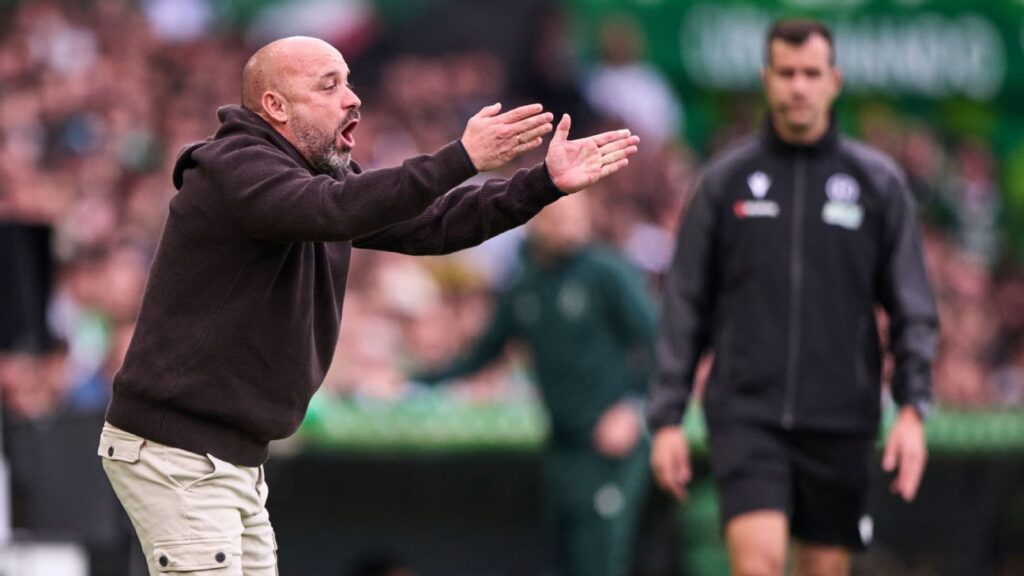
The Copa del Rey tie against Sestao River on Tuesday turned into a disaster for Espanyol. The fourth‑tier side, playing on its home turf, stunned the LaLiga giants 2‑1 after extra time, ending Espanyol’s cup run in the round of 32. The loss was particularly painful because it came against a team from the Basque Country that had already knocked out two higher‑division opponents in the competition.
Club president Joan Collet announced González’s dismissal just hours after the final whistle. In a brief statement, Collet said the defeat “exposed a lack of tactical discipline and an inability to motivate the squad when it mattered most.” The decision aligns with a pattern in Spanish football where coaches are often judged on single‑match outcomes, especially in knockout tournaments.
Foreign ownership and the J.J. Watt factor
J.J. Watt’s involvement is more than a footnote; it reflects a growing trend of cross‑sport investors seeking footholds in European football. The former NFL star, who joined the Espanyol consortium in 2024, has used his platform to promote the club in North America, securing a handful of preseason friendlies in the United States and Canada. According to a report by *Marca*, Watt’s vision includes leveraging the club’s brand to tap into the lucrative sports‑wear market targeting African‑American and diaspora fans.
However, foreign ownership can also bring volatility. Watt’s group is still negotiating a €50 million equity injection that was promised in the 2024 takeover agreement. Delays in that funding have limited Espanyol’s ability to sign marquee players, forcing the club to rely heavily on academy graduates and loan deals. The recent coaching sacking may be an attempt to signal decisive action to both the investors and the fan base, hoping to preserve confidence while the financial package is finalised.
Implications for African players and markets
Espanyol has historically been a gateway for African talent into LaLiga. Players such as Samuel Kalu, who left for Girona in 2022, and young Nigerian winger Chukwudi Nwosu, currently on the club’s under‑23 roster, have used the Catalan side as a stepping‑stone to bigger European stages. The coaching change could affect their development trajectory, as González was praised for giving minutes to academy prospects, including several from West Africa.
Moreover, the club’s commercial strategy under Watt aims to expand into African markets. In a recent interview with *BBC Sport Africa*, Watt mentioned plans to launch a joint youth academy program in Ghana and Nigeria, leveraging his American fame to attract sponsors. A sudden managerial turnover may delay those initiatives, as new coaches often bring different philosophies on youth integration. For African agents and players, the uncertainty adds another layer of risk when negotiating contracts with a club that is still defining its long‑term sporting direction.
The diaspora community in Barcelona, which includes a sizable Nigerian and Ghanaian population, also feels the ripple effects. Local supporters’ clubs have organised petitions urging the board to retain a coach who prioritises African talent, arguing that a diverse squad can boost match‑day attendance from diaspora fans and strengthen the club’s cultural relevance.
What’s next for Espanyol and the wider LaLiga landscape
Espanyol’s next move will likely involve appointing a manager with a proven record in European competition and a clear plan for integrating youth. Rumours in Spanish media suggest that former Sevilla assistant coach Luis García is a leading candidate, though no official confirmation has been made. The club’s board has also hinted at a short‑term “stability clause” that could protect the new coach from premature dismissal, a response to the criticism of the revolving‑door approach that has plagued the club since 2023.
Beyond Espanyol, the episode underscores a broader shift in LaLiga: clubs owned by non‑European investors are under pressure to deliver both on‑field results and off‑field commercial growth. The league’s recent partnership with the African Football Confederation (CAF) to host a youth tournament in Morocco next year reflects an appetite for African engagement. Espanyol’s potential academy partnership in West Africa could position the club as a pioneer in that space, provided the new coach embraces a development‑centric model.
For fans and stakeholders, the key question is whether Espanyol can translate its foreign‑ownership capital into sustainable sporting success. If the club manages to stabilise its coaching staff and deliver a competitive league performance, it could become a case study for how cross‑sport investors add value beyond cash injections. Failure, on the other hand, may reinforce scepticism about external ownership and prompt LaLiga to tighten oversight on clubs that repeatedly change managers after single‑match failures.
Quick Answers
Why did Espanyol fire Manolo González?
Espanyol dismissed González after a 2‑1 Copa del Rey loss to fourth‑tier Sestao River, which the club said highlighted tactical and motivational shortcomings.
Who is J.J. Watt and why is his ownership relevant?
Former NFL star J.J. Watt is part of Espanyol’s ownership group; his involvement brings North‑American branding ambitions and potential investment, influencing the club’s commercial strategy.
How could the coaching change affect African players at Espanyol?
González was known for promoting African academy talent, so a new coach may alter playing time for prospects like Nigerian winger Chukwudi Nwosu and could delay planned youth‑academy collaborations in West Africa.
Source: www.espn.com




💬 Comments 0