European supermarket freezer hack 2026 exposes IoT risks for African cold‑chain retailers
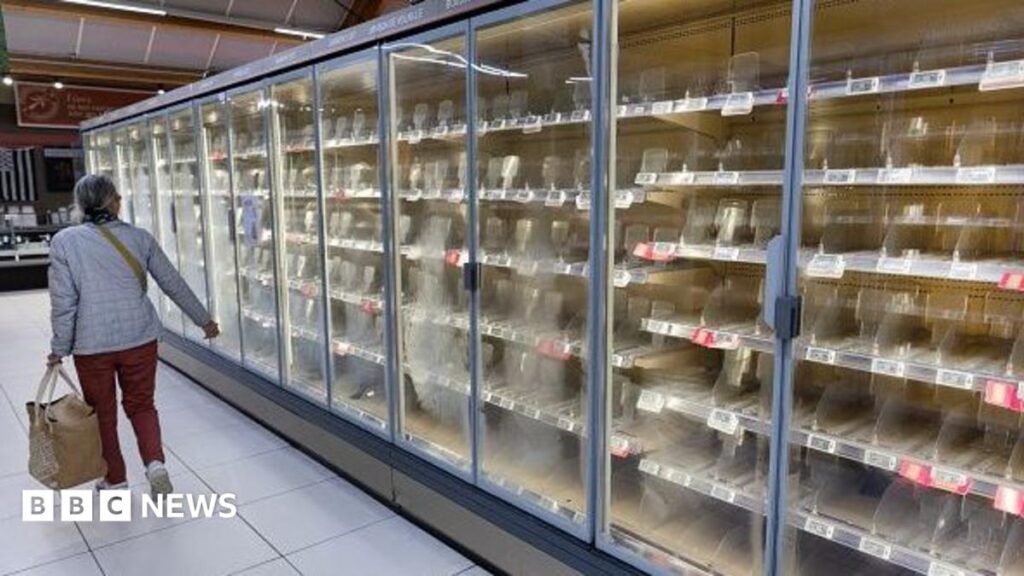
A chilling breach: what happened to European supermarket freezers
In early November 2026, a coordinated cyber‑attack hit dozens of grocery stores across the United Kingdom, Germany, France and the Netherlands. Hackers gained remote access to the networked refrigeration units that keep perishable goods chilled, causing temperatures to rise, alarms to trigger and, in some cases, entire freezers to shut down.
The intrusion was traced to a vulnerability in the firmware of a popular brand of commercial walk‑in coolers. Once inside the store’s internal network, the attackers could override temperature controls, lock doors and even display false status messages to staff. While no ransom was demanded, the disruption forced several chains to discard thousands of kilograms of meat, dairy and frozen foods, leading to significant financial losses and heightened concerns over food safety.
Why the attack matters beyond a frosty inconvenience
The incident is more than a headline‑grabbing stunt; it highlights how deeply modern retail operations depend on the Internet of Things (IoT). Refrigeration units, point‑of‑sale terminals, inventory scanners and lighting systems are now interconnected, creating a sprawling attack surface that traditional IT security tools often overlook.
When a freezer’s temperature spikes, the impact ripples through supply chains, waste management and consumer confidence. In Europe, the food‑waste cost of the breach is estimated at €12 million, according to industry analysts. The episode also raises questions about liability: if contaminated food reaches shoppers because a hacker tampered with temperature logs, who bears responsibility?
Beyond the immediate financial hit, the breach erodes trust in digital supply‑chain solutions. Retail executives who have been championing smart‑cold‑chain technology may now face board‑level scrutiny, potentially slowing adoption of efficiency‑boosting IoT devices.
The wider IoT security gap and its ripple effects for Africa
African markets are rapidly embracing the same smart refrigeration technologies to combat chronic cold‑chain challenges. In Kenya, Nigeria and South Africa, investors are pouring capital into solar‑powered, IoT‑linked freezers that can monitor temperature in real time and alert vendors of power outages. The European breach therefore serves as a cautionary tale for these emerging ecosystems.
If African retailers replicate the same hardware without rigorous security vetting, they could become attractive targets for cyber‑criminals seeking to disrupt food supplies in densely populated urban centers. A successful attack on a major supermarket chain in Lagos, for example, could trigger food shortages, inflate prices and spark public unrest, echoing past incidents where power grid hacks led to riots.
Moreover, many African exporters rely on European distribution hubs. A compromised freezer at a European port could jeopardise the integrity of African‑origin produce, undermining market access and damaging the reputation of African brands that have invested heavily in quality certifications.
Regulators, retailers and the race to patch vulnerable cold‑chain tech
In response to the November incident, the European Union’s Cybersecurity Agency (ENISA) issued an emergency advisory urging all retailers to audit the firmware of their cooling equipment within 30 days. The guidance recommends disabling remote access ports, enforcing multi‑factor authentication and applying vendor‑issued patches promptly.
Major grocery chains such as Tesco and Carrefour announced accelerated rollout plans for network segmentation, separating IoT devices from core point‑of‑sale systems. Some vendors are also offering “security‑as‑a‑service” packages that continuously monitor temperature controllers for anomalous commands.
African regulatory bodies are watching closely. The South African Department of Trade, Industry and Competition has signaled intent to incorporate IoT security standards into its forthcoming Cold‑Chain Safety Act, while the Kenya ICT Authority is drafting guidelines that would require manufacturers to provide a minimum two‑year security update window for commercial refrigeration units.
Looking ahead: how businesses can harden the cold chain
Experts agree that the most effective defence starts with a “security by design” mindset. Manufacturers should embed encrypted communications, signed firmware updates and immutable audit logs directly into the hardware, rather than treating security as an afterthought.
Retailers can also adopt a layered approach: conduct regular penetration tests, maintain an inventory of every connected device, and train store managers to recognize abnormal temperature alerts that may signal a cyber intrusion. Partnerships with local cybersecurity firms can provide rapid incident‑response capabilities, especially in regions where in‑house expertise is limited.
For African entrepreneurs building the next generation of cold‑chain solutions, the lesson is clear: a robust security framework is not just a compliance checkbox—it is a market differentiator. Brands that can prove their freezers are tamper‑proof will likely win contracts with multinational buyers who have become far more risk‑aware after the European episode.
Quick Answers
What was the cyber‑attack on European supermarket freezers in 2026?
Hackers exploited a firmware flaw in networked refrigeration units, remotely raising temperatures, locking doors and forcing stores to discard perishable goods.
How could a similar freezer hack affect African retailers?
If African stores use the same vulnerable IoT hardware, attackers could spoil food supplies, drive up prices and damage the reputation of African‑origin produce exported to Europe.
What steps are being taken to secure IoT devices in the food supply chain?
European regulators have issued emergency firmware‑patch advisories, while retailers are implementing network segmentation, multi‑factor authentication and continuous device monitoring.
Source: www.bbc.co.uk




💬 Comments 0