Fed’s Kevin Warsh warns inflation is too high, hints at 2026 rate hikes – Nigeria impact
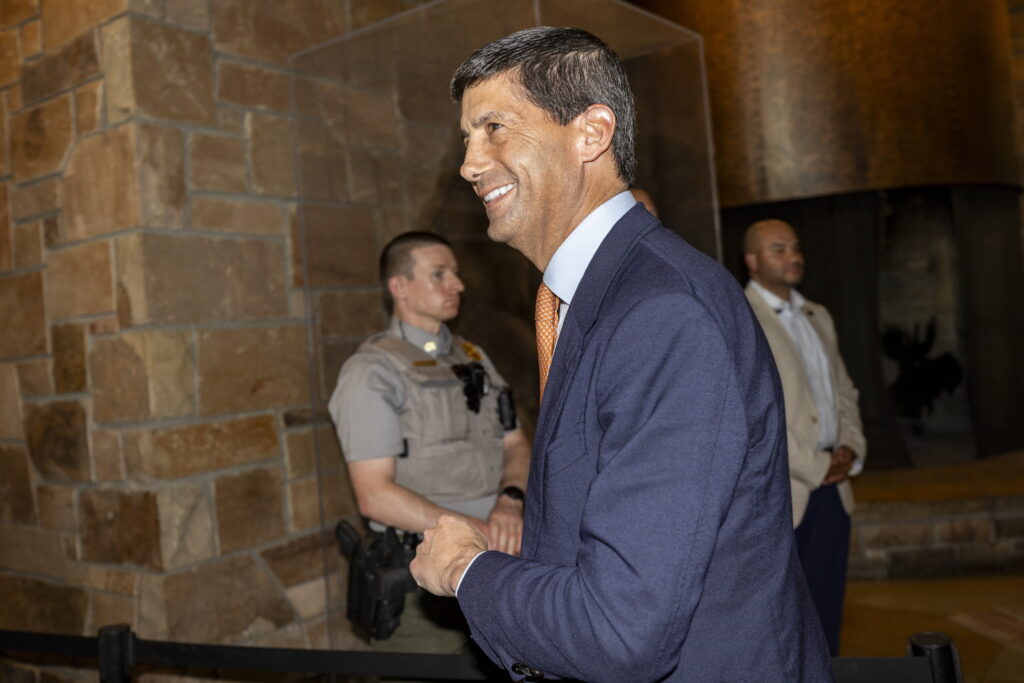
Who is Kevin Warsh and why his words matter
Kevin Warsh served as a Federal Reserve governor from 2006 to 2011, gaining a reputation for hawkish views on inflation. After leaving the Fed, he has remained a frequent speaker at policy forums, offering a bridge between the central bank’s internal debates and public perception. His recent speech revives a familiar narrative: that the U.S. economy still faces price pressures that could force tighter monetary policy.
Warsh’s credibility stems from his insider experience and the fact that he still enjoys access to senior Fed officials. When he signals that inflation remains “too high,” markets treat it as a proxy for the Board’s own thinking, even though the Fed’s official statements are more measured. This dynamic amplifies the impact of any public remarks he makes.
The latest warning and market reaction
In a televised address on August 28, Warsh warned that headline inflation was still well above the Fed’s 2 % target and that “the battle is far from over.” He did not outline a specific timetable for further hikes, but he emphasized that the committee remains ready to act if price gains persist. The speech sent the U.S. Treasury yield curve higher, with the 2‑year note climbing 5 basis points to 5.1 % by the close of trading.
Investors interpreted the remarks as a fresh nudge toward another 25‑basis‑point increase in September, reviving expectations that the Fed could raise rates three more times before the end of 2026. The dollar index also edged up, reflecting renewed confidence in the currency’s strength amid tightening expectations.
Why the Fed’s stance reverberates across Africa
A stronger dollar and higher U.S. rates have a two‑fold effect on African economies. First, many sovereigns and corporations borrow in dollars; a rise in U.S. yields raises the cost of servicing that debt, squeezing fiscal space and corporate margins. Second, a firmer greenback makes imported goods – especially food, fuel and raw materials – more expensive, feeding inflationary pressures at home.
For countries already grappling with high local inflation, such as Nigeria and South Africa, imported price spikes can force central banks to tighten sooner than planned. The ripple effect also touches commodity exporters, as a higher dollar tends to depress prices for oil, copper and gold, key earners for several African nations.
Immediate impact on Nigeria and South Africa’s markets
Nigerian bond yields jumped after Warsh’s remarks, with the 10‑year sovereign spread widening to roughly 550 basis points over U.S. Treasuries. The naira, already under pressure from low oil revenues, slipped another 0.7 % against the dollar as investors reassessed the country’s external debt risk. Traders warned that further Fed hikes could accelerate capital outflows, prompting the Central Bank of Nigeria to consider tightening its own policy rate to protect the currency.
In South Africa, the rand fell about 0.5 % and the benchmark 2030 government bond rose 8 basis points. The South African Reserve Bank, which has been cautious about overtightening, now faces a tighter policy space. Analysts say the SARB may need to pre‑emptively raise rates if the dollar continues to appreciate, to avoid a surge in inflation imported via fuel and food prices.
Diaspora investors and remittance flows feel the heat
Many Nigerians and other Africans hold U.S.‑denominated assets, from Treasury bonds to dollar‑based savings accounts. Higher U.S. yields make those assets more attractive, potentially pulling capital out of local markets and into safer American instruments. This shift can reduce the pool of investable funds that diaspora groups traditionally channel back home through informal channels or fintech platforms.
Remittance volumes, which already account for over 7 % of Nigeria’s GDP, may also be affected. A stronger dollar means that each dollar sent home has greater purchasing power, but higher borrowing costs in the U.S. could dampen the overall amount of money expatriates are able to remit, especially if wage growth stalls under tighter monetary conditions.
What’s next for the Fed and African policymakers?
The Fed’s next move will hinge on the upcoming CPI data and the pace of the labor market’s slowdown. If inflation stubbornly stays above 2 % for the next two months, a September hike is likely, followed by a cautious “data‑dependent” approach through 2026. Market participants are watching for any sign that the Fed might shift from a “higher for longer” stance to a more aggressive tightening cycle.
African central banks are already calibrating their own responses. The Central Bank of Nigeria hinted at a possible rate hike in September to curb imported inflation, while the SARB’s latest minutes suggest a willingness to act if the rand weakens further. Both institutions are also exploring ways to diversify foreign‑exchange reserves away from the dollar, a trend that could gain momentum if U.S. rates stay elevated.
Quick Answers
How will a Fed rate hike affect the Nigerian naira?
Higher U.S. rates usually strengthen the dollar, which can push the naira lower and raise the cost of dollar‑denominated debt for Nigeria.
Will South African inflation rise because of the Fed’s stance?
A stronger dollar can lift import prices, adding pressure to South Africa’s inflation and possibly prompting the SARB to tighten sooner.
What should African diaspora investors watch for after Warsh’s warning?
They should monitor U.S. yield movements and dollar strength, as both influence the attractiveness of African assets versus U.S. Treasury holdings.
Source: www.npr.org




💬 Comments 0