Fire at Hitler’s Eagle’s Nest in Bavaria 2026: Heritage, Tourism and Climate Risks
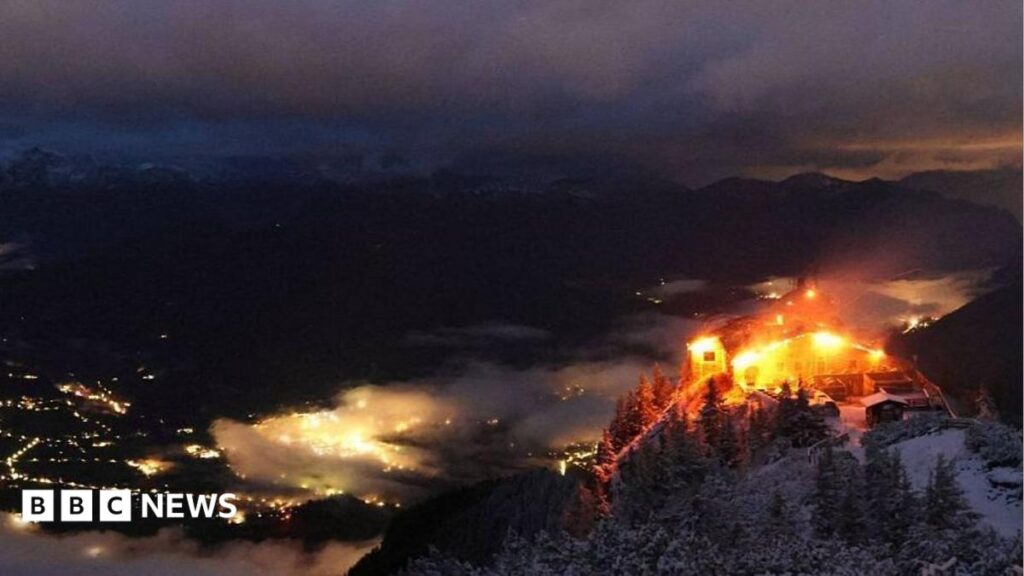
A grim landmark in the Bavarian Alps
Perched on the 1,834‑metre summit of the Kehlstein, the Kehlsteinhaus – popularly known as the Eagle's Nest – was built in 1938 as a gift for Adolf Hitler’s 50th birthday. Though never used as a private residence by the dictator, the mountaintop complex became a propaganda showcase for the Nazi regime, offering sweeping views of the surrounding Alps and serving as a venue for high‑level meetings and celebrations.
After World War II the site was seized by the Allied forces, later handed back to the Bavarian government and opened to the public in 1952. Today, it draws roughly 400,000 visitors a year, many of them tourists from Asia, the United States and an emerging market of German‑speaking African expatriates who travel to Europe for education and work.
The structure itself is a wooden‑clad, stone‑faced building with a panoramic restaurant, a tea house and a series of terraces. Its historic value lies less in architectural merit and more in its symbolic weight as a reminder of a dark chapter in European history.
The blaze that shook the summit
On the afternoon of 22 October 2026, a fire broke out on the roof of the Eagle's Nest. Initial reports indicated that a faulty heating element in the restaurant’s kitchen may have ignited dry timber, which quickly spread across the wooden decking. Roughly 200 firefighters, mountain rescue crews and emergency medical teams were mobilised from nearby towns such as Berchtesgaden and Salzburg to contain the flames.
Strong Alpine winds, gusting up to 45 km/h, hampered early suppression efforts, allowing the fire to leap from the roof to the adjoining terrace structures. By nightfall, the blaze had scorched an estimated 1,200 square metres of the complex, leaving the iconic façade blackened but still standing. No casualties were reported, though several firefighters suffered minor smoke‑inhalation injuries.
Authorities declared the site safe for evacuation at 02:00 GMT on 23 October, and the remaining structures were sealed off pending a forensic investigation. The Bavarian Ministry of the Interior released a brief statement confirming that the fire was under control and that a full assessment of damage would be published within a week.
Why the fire matters beyond the ruins
The Eagle's Nest is more than a tourist curiosity; it is a touchstone for Germany’s ongoing struggle to confront its Nazi past. Preservation groups argue that any damage to the site risks erasing a physical reminder that fuels education about totalitarianism. "When heritage sites like this are compromised, we lose a powerful tool for memory work," said Dr. Anja Müller, a historian at the University of Munich, during a press briefing.
From an economic perspective, the fire threatens a lucrative segment of Bavaria’s tourism industry. In 2025, the region recorded €2.1 billion in tourism revenue, with heritage sites accounting for roughly 12 percent of that figure. A prolonged closure could divert visitors to competing Alpine attractions, impacting local hotels, restaurants and the seasonal workforce that includes many migrants from Nigeria and Ghana who rely on tourism jobs.
Climate change adds a further layer of urgency. Alpine regions are experiencing hotter, drier summers, increasing the probability of wildfires and structural blazes. The German Weather Service warned that 2026 is likely to be one of the warmest years on record for the Alps, a trend that mirrors the fire‑risk patterns seen in African savannahs and highland parks, where historic sites are also under threat.
Reactions from officials, heritage bodies and the public
Bavarian Minister President Markus Söder pledged €5 million for immediate repairs and a comprehensive fire‑safety overhaul. The funding will cover replacement of wooden decking with fire‑retardant materials, installation of a modern sprinkler system and a review of all heating installations across the site.
International heritage organisations, including UNESCO’s World Heritage Centre, issued statements urging German authorities to treat the incident as a warning for all sites vulnerable to climate‑induced fires. "We must embed resilience into preservation policy," said UNESCO representative Maria Torres in an interview with Deutsche Welle.
Public opinion is split. While many German citizens view the Eagle's Nest as a necessary reminder of the past, a vocal minority sees it as a relic that should be dismantled. Social media posts from diaspora communities in Lagos and Johannesburg highlighted the irony of a German historical site being threatened by a fire that could have been prevented with better safety standards, echoing calls for broader accountability in heritage management.
What comes next: restoration, policy and a wider lesson
Restoration work is slated to begin in early 2027, with architects planning to retain the original stone façade while replacing interior wooden elements with fire‑resistant composites. The project aims to reopen the site by summer 2028, timed to capture the peak tourist season and to coincide with the 90th anniversary of the building’s inauguration.
Beyond the Eagle's Nest, the fire has sparked a policy debate in Germany about upgrading fire‑prevention standards for all historic structures, especially those situated in high‑altitude or remote locations. The Federal Ministry for the Environment is expected to draft new guidelines that integrate climate‑risk assessments into heritage conservation funding streams.
For African stakeholders, the incident underscores a shared vulnerability: historic and cultural landmarks across the continent are increasingly exposed to climate‑driven hazards. Organizations such as the African World Heritage Fund are monitoring the German case as a potential model for securing international support and technical expertise to protect African sites like the Great Zimbabwe ruins or the rock‑art shelters of the Sahara.
Quick Answers
What caused the fire at Hitler's Eagle's Nest in 2026?
Preliminary investigations point to a faulty heating element in the restaurant kitchen that ignited dry timber on the roof.
Will the Eagle's Nest be reopened to visitors?
Authorities plan to complete restoration and reopen the site by summer 2028, after installing modern fire‑safety systems.
How does the fire affect tourism in Bavaria?
The closure could reduce heritage‑tourism revenue, which contributed about €250 million in 2025, and may shift visitors to other Alpine attractions.
Source: www.bbc.co.uk




💬 Comments 0