Kenya records second Ebola death, 65‑year‑old woman linked to DRC case, Oct 2026
Ebola’s return to East Africa and Kenya’s preparedness
The latest fatality marks the first time Kenya has confirmed an Ebola death on its soil since the 2014‑2016 West African epidemic. The country had previously relied on a network of treatment centres and a stockpile of the rVSV‑ZEBOV vaccine, but the sudden appearance of the virus has tested those safeguards.
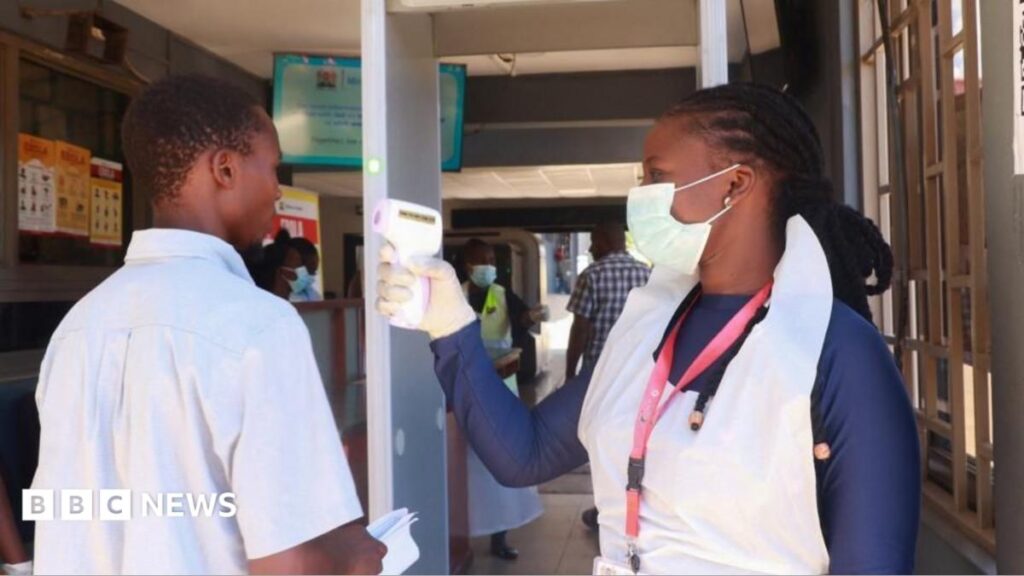
Kenya’s health ministry had warned in early August that the ongoing outbreak in the Democratic Republic of Congo (DRC) could spill over into neighbouring states, especially along the porous border with Uganda and Tanzania. In response, the government launched a rapid‑response task force, upgraded laboratory capacity in Nairobi, and began training frontline workers in personal‑protective equipment use.
Despite these steps, the detection of the first case—a man who travelled from the DRC—exposed gaps in contact‑tracing across informal transport routes. The second death, a 65‑year‑old woman, underscores how quickly the virus can move within families and community networks when surveillance is uneven.
Who the victims were and how the virus spread
The first Kenyan victim was a 42‑year‑old male trader who arrived in Nairobi from the DRC’s North Kivu province in early September. He sought care at a private clinic after developing fever and vomiting, but his condition deteriorated before Ebola was confirmed. Health officials later identified his sister‑in‑law, the 65‑year‑old woman who died on Oct 22, as a close family contact who had cared for him at home.
According to the Kenya Ministry of Health, the woman began showing symptoms five days after her brother‑in‑law’s hospital admission. She was isolated at the country's designated Ebola treatment unit in Mombasa, but the disease progressed rapidly, leading to her death despite the use of the experimental monoclonal antibody therapy that Kenya had procured from the WHO‑coordinated stockpile.
Contact‑tracing teams have now identified 27 individuals who were in close proximity to the two patients, including market vendors, boda‑boda (motorcycle taxi) drivers, and relatives who attended the funeral. All identified contacts have been placed under mandatory quarantine, a move that health officials say is essential to prevent a wider community spread.
Regional ripple effects: DRC outbreak and cross‑border health security
The DRC has been battling a resurgence of the Zaire ebolavirus strain since May 2026, with more than 300 confirmed cases reported across North Kivu and Ituri provinces. The virus’s spread into Kenya illustrates the fragility of health security in a region where borders are often traversed by informal trade caravans and humanitarian convoys.
Experts from the African Centres for Disease Control (Africa CDC) note that the incident highlights the need for a harmonised, continent‑wide approach to epidemic surveillance. “One country’s gap becomes a continent’s vulnerability,” said Dr. Aisha Bello, Africa CDC’s infectious disease lead, during a press briefing on Oct 23.
In response, the East African Community (EAC) has called an emergency summit to review cross‑border health protocols. Proposals on the table include joint rapid‑response teams, shared vaccine reserves, and a digital platform for real‑time reporting of suspected cases across member states.
Economic and social repercussions for Kenya and the diaspora
Kenya’s position as a logistics hub for East‑Central Africa means that any perception of a health crisis can quickly affect trade flows. Shipping companies have already warned of possible delays at the Mombasa port, while airlines operating routes to the DRC are reviewing passenger screening procedures.
The diaspora community, particularly Kenyans living in the DRC and neighbouring Uganda, is also feeling the impact. Community groups on social media have reported heightened anxiety and a surge in inquiries about travel insurance and repatriation options. According to a poll conducted by the Nairobi-based think‑tank Insight Africa, 42 % of respondents said they would postpone visits to the DRC until the outbreak is declared over.
On the ground, local markets in Nairobi’s Eastleigh district—home to many East‑African traders—have seen a modest dip in foot traffic as residents avoid crowded spaces. Small business owners fear that prolonged fear could translate into revenue losses that would echo across the informal economy, which accounts for roughly 40 % of Kenya’s GDP.
What comes next: containment, vaccination and long‑term lessons
Kenyan authorities have announced a three‑phase containment plan. Phase one focuses on aggressive contact tracing and quarantine; phase two will roll out targeted ring‑vaccination for all identified contacts and frontline workers; phase three aims to restore normalcy by lifting travel advisories once no new cases emerge for 21 consecutive days.
The World Health Organization (WHO) has pledged to supply an additional 5,000 doses of the rVSV‑ZEBOV vaccine and to deploy a team of epidemiologists to assist with data analysis. Meanwhile, the United Nations Children’s Fund (UNICEF) is preparing to distribute personal‑protective equipment to health facilities in the border counties of Turkana and Garissa, where the risk of undetected spread remains high.
Beyond the immediate response, the twin deaths have sparked a broader conversation about health system resilience in Africa. Analysts argue that the episode will accelerate investments in genomic surveillance labs, digital health records, and community health worker networks—areas that have historically been under‑funded despite their proven value in controlling outbreaks.
Quick Answers
How many Ebola cases have been confirmed in Kenya as of October 2026?
Two confirmed deaths have been reported, both linked to a family cluster originating from the DRC outbreak.
What steps has Kenya taken to stop further Ebola transmission?
Kenya launched a rapid‑response task force, placed contacts under quarantine, began ring‑vaccination, and tightened border health checks.
Will the Ebola cases affect travel and trade between Kenya and the DRC?
Yes, airlines and shipping firms are reviewing protocols, and temporary restrictions may be imposed to limit cross‑border spread.
Source: www.bbc.co.uk




💬 Comments 0