Fitzroy River Croc Count, 2032 Brisbane Olympics Venue, Impact on Wildlife and Economy
Background: The Fitzroy River’s Olympic Role
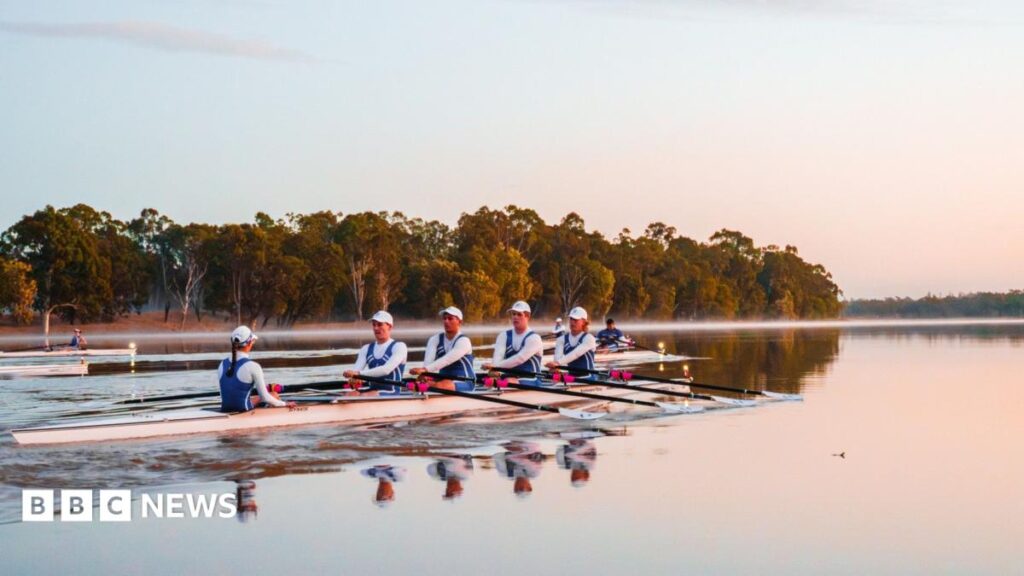
Queensland’s Fitzroy River, winding 480 kilometres through the state’s heart, has been earmarked as the central venue for rowing and canoe‑kayak events at the 2032 Brisbane Summer Olympics. The decision was announced by the Queensland Government in March 2024 as part of a broader plan to showcase regional waterways and spread the Games beyond the city centre.
The river passes through the city of Rockhampton, a historic hub for agriculture and tourism, and empties into the Great Barrier Reef’s catchment. Its inclusion promises a scenic backdrop that organisers hope will boost television ratings and attract visitors from around the world.
Environmental Concerns: Crocodiles and River Health
The Fitzroy is home to an estimated 500 saltwater crocodiles, according to a 2023 survey by Queensland Parks and Wildlife Service. While the reptiles are a tourist draw, their presence raises safety questions for athletes, volunteers and spectators who will be on the water during competition.
Beyond the crocs, the river faces pressures from upstream mining, agricultural runoff and climate‑driven low‑flow periods. Environmental groups have warned that the extra traffic and construction linked to the Olympics could exacerbate sedimentation and threaten the river’s already fragile ecosystems.
In response, the Queensland Olympic Committee (QOC) commissioned an independent impact assessment in early 2025. The report recommends a combination of temporary exclusion zones, real‑time monitoring of water quality, and a rapid‑response crocodile relocation team during the Games.
Why It Matters: Economic, Sporting and Cultural Stakes
The Fitzroy venue is projected to generate A$1.2 billion in direct spending for the local economy, according to the Queensland Treasury’s 2025 forecast. Hotels, transport operators and Indigenous tourism operators stand to benefit from a surge in international visitors, many of whom are expected to be drawn by the river’s wildlife narrative.
For athletes, the river’s natural flow offers a unique training environment that could level the playing field for competitors from tropical nations, including several African countries that regularly train on warm, fast‑moving waters. A smoother, well‑managed course could become a benchmark for future Games in similar climates.
The presence of crocodiles also sparks a cultural conversation. Indigenous custodians of the land, the Darumbal people, view the crocs as totems and have been consulted on protocols that respect both safety and spiritual significance. Their involvement underscores a growing trend of integrating traditional knowledge into large‑scale sporting events.
A Global Pattern: Olympics, Wildlife, and the Lessons for Africa
Brisbane is not the first host city to wrestle with wildlife in an Olympic venue. Rio de Janeiro’s 2016 sailing events faced jellyfish blooms, while Tokyo 2020’s marathon route navigated urban foxes and stray cats. Each case forced organisers to balance spectacle with ecological stewardship.
African cities eyeing future Games—such as Nairobi’s bid for 2036—can learn from Queensland’s approach. The emphasis on early environmental assessments, community‑led monitoring, and transparent relocation plans offers a template for handling similar challenges, whether dealing with hippos on the Nile or baboons in Nairobi’s National Parks.
Moreover, the Fitzroy’s story highlights a broader shift: the Olympics are becoming a platform for showcasing biodiversity. For African nations rich in wildlife, this presents an opportunity to promote conservation tourism alongside sport, turning potential hazards into diplomatic and economic assets.
What’s Next: Mitigation, Community Action and Timeline
The QOC has committed to a phased rollout of safety measures. By early 2027, a permanent exclusion fence will be installed along the competition stretch, while mobile acoustic deterrents will be trialled during the 2028 national rowing championships to gauge crocodile response.
Community groups, including the Rockhampton Crocodile Conservation Society, will run public education campaigns ahead of the Games, teaching locals and visitors how to coexist safely with the river’s apex predators. Funding for these initiatives is earmarked at A$3 million in the 2026 state budget.
Construction of temporary grandstands and athlete villages is slated to begin in mid‑2028, giving officials a two‑year window to fine‑tune water‑quality controls and complete the wildlife‑relocation protocol. If all milestones are met, the Fitzroy River will host its first Olympic race in July 2032, marking a rare convergence of sport, ecology and Indigenous heritage on the world stage.
Quick Answers
When will the Fitzroy River be used for the 2032 Olympics?
The river is scheduled to host rowing and canoe‑kayak competitions during the July 2022‑August 2022 window of the Brisbane 2032 Games.
How many crocodiles live in the Fitzroy River?
A 2023 Queensland Parks survey estimates about 500 saltwater crocodiles inhabit the Fitzroy River.
What safety steps are planned for athletes and spectators?
Organisers will set up exclusion zones, deploy a rapid‑response crocodile relocation team, and use acoustic deterrents, all overseen by an independent wildlife monitoring board.
Source: www.bbc.co.uk


💬 Comments 0