France school protests 2026: fires, blockades and 400 arrests spark diaspora concerns
Background – a volatile reform agenda
The French government’s latest education overhaul, announced in early 2026, aims to tighten discipline, increase school hours and standardise curricula across the nation. While officials say the changes will boost academic outcomes, teachers’ unions and parent groups have warned that the measures will disproportionately penalise students from disadvantaged backgrounds, many of whom come from African immigrant families.
France has a long history of student unrest, from the May 1968 protests to the 2023 strike over university funding. The current wave is the latest flashpoint in a series of confrontations that have increasingly centred on the tension between a top‑down reform agenda and the lived realities of pupils in the country’s outer‑city schools.
What happened on Tuesday – fires, blockades and mass arrests
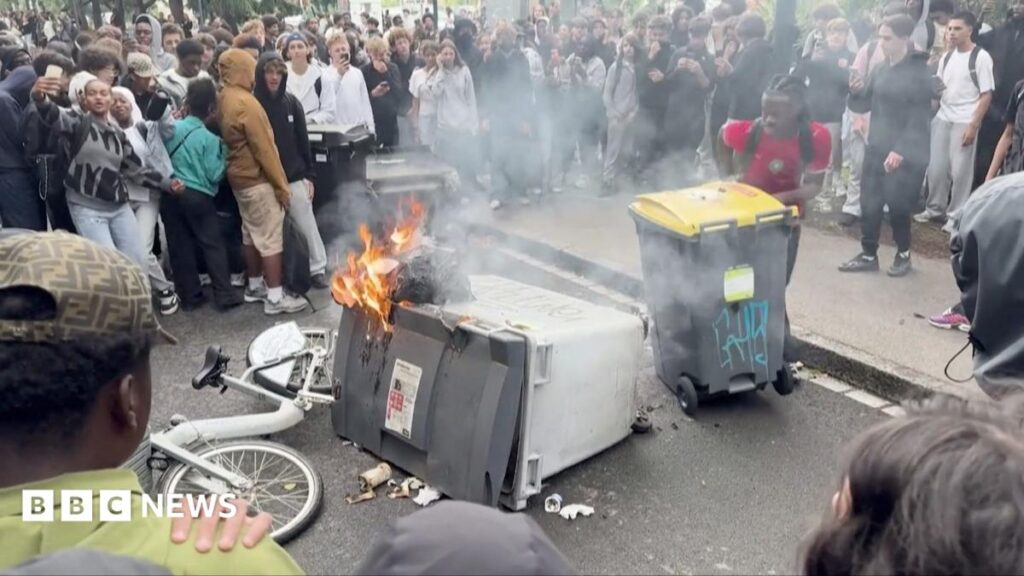
On Tuesday, 22 September, students in more than a dozen secondary schools across France staged coordinated walk‑outs, set up barricades and, in several cases, ignited small fires in school courtyards to draw attention to the reforms. The protests quickly spread from Paris to Marseille, Lyon and the suburbs of Lille, prompting a heavy police presence.
According to the interior ministry, over 400 people were detained, the majority of them minors. Police used crowd‑control drones and pepper spray to disperse demonstrators, while several schools were temporarily closed for safety reasons. The incidents have been described by local media as the most violent school protests in the country in a decade.
Why it matters – political, social and diaspora implications
The scale of the unrest puts pressure on President Emmanuel Macron’s administration, which is already navigating a fragile coalition and a looming parliamentary election in 2027. A harsh crackdown could fuel anti‑government sentiment among young voters, while a softer response may embolden other activist groups demanding policy reversals.
For France’s African diaspora, the protests hit close to home. Roughly one‑third of the nation’s public‑school pupils are of African descent, according to the Ministry of Education. Many families fear that stricter disciplinary rules will increase expulsions and limit pathways to higher education for their children, echoing concerns raised after the 2023 ban on “street‑wear” uniforms in several schools with large immigrant populations.
A broader pattern of youth dissent worldwide
The French school protests are part of a growing global trend where young people mobilise against policies they see as limiting future prospects. In South Africa, university students have been striking over tuition fees since 2024, while in Nigeria, secondary‑school pupils in Lagos organised sit‑ins against new exam reforms earlier this year.
Analysts note that social‑media platforms have amplified these movements, allowing students in Paris to coordinate with peers in Nairobi or Accra in real time. The cross‑border visibility of French protests has already sparked solidarity rallies in several African capitals, where diaspora organisations are using the French case to highlight similar grievances in their own education systems.
Reactions and what could happen next
The teachers’ federation, the CGT, condemned the police response as “disproportionate” and called for a nationwide strike. Opposition parties have pledged to review the reform package, and several African‑French NGOs have filed a legal challenge, arguing that the measures violate constitutional guarantees of equality.
If the government chooses to soften the reforms, it may introduce a phased implementation and greater local autonomy for schools in high‑immigrant districts. Conversely, a hardline stance could push more students into radicalised protest circles, potentially spilling over into other public sectors such as transport and healthcare, where similar grievances are already simmering.
Quick Answers
How many people were arrested during the French school protests?
More than 400 people, most of them minors, were detained by police on Tuesday.
Why are French students, especially those of African descent, protesting the education reforms?
They say the new rules will tighten discipline, increase school hours and raise expulsion rates, which they fear will disproportionately affect pupils from disadvantaged, often African‑immigrant, backgrounds.
What could be the next step for the French government after the protests?
The government may either revise the reform package to allow more local flexibility or enforce it more strictly, risking further unrest and legal challenges from unions and diaspora groups.
Source: www.bbc.co.uk




💬 Comments 0