Nairobi high‑rise collapse kills 2, leaves 7 missing as construction safety concerns surge in Kenya 2026
What happened: The Nairobi high‑rise collapse
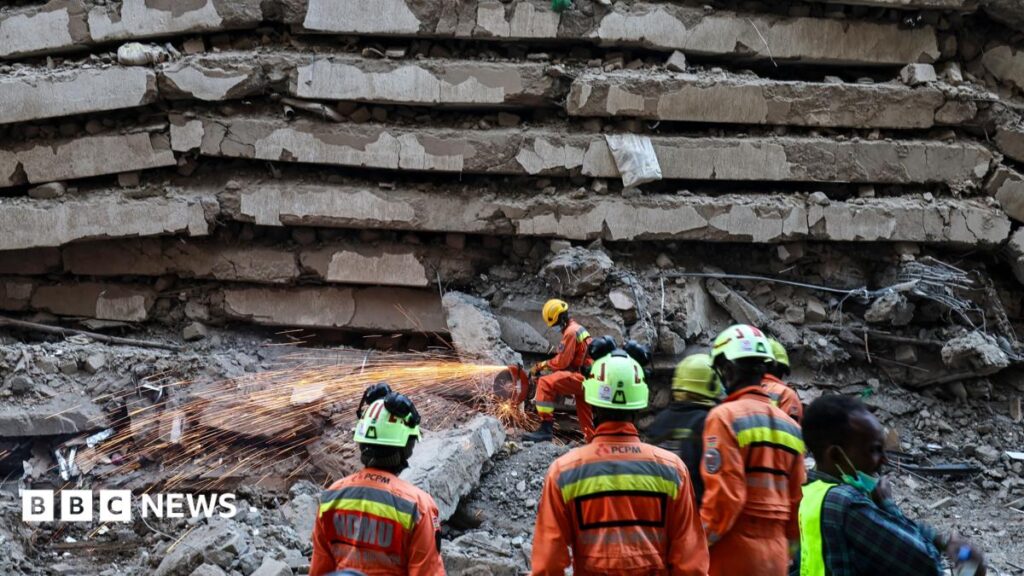
In the early hours of October 22, a six‑storey residential block under construction in the Eastleigh district of Nairobi gave way, sending concrete and steel crashing onto the street below. Emergency services, including the Kenya Red Cross and the National Disaster Management Centre, rushed to the site, where they found a tangled mess of debris, trapped machinery and, tragically, bodies. By the end of the first day, officials confirmed two fatalities and seven people still unaccounted for, prompting a massive search‑and‑rescue operation that continues into the night.
The building, part of a rapid‑growth housing scheme aimed at low‑income families, had been slated for completion in early 2027. Residents in the surrounding neighbourhood reported hearing a low rumble before the structure buckled, a sound many later described as a “giant sigh” of the building’s steel frame. The collapse has ignited social media outrage, with Nairobi’s residents sharing videos of the wreckage and demanding answers from the city’s planning authorities.
Rescue crews have employed heavy‑duty excavators, cutting tools and trained canines to locate survivors amidst the rubble. While some workers have been pulled out alive, the ongoing instability of the remaining structure forces teams to work cautiously, extending the timeline for recovery. The incident has also strained Nairobi’s already‑stretched emergency services, which are juggling multiple incidents across the city during a particularly rainy season.
Underlying causes: construction shortcuts and regulatory gaps
Preliminary investigations by the National Construction Authority (NCA) point to a combination of substandard materials, inadequate supervision and a failure to obtain proper building permits. Sources close to the inquiry say that the contractor, a relatively new firm called Skyline Developments Ltd., allegedly sourced cement from an unregistered supplier and skipped several key quality‑control checkpoints to meet an aggressive deadline set by investors.
Kenyan building codes, which were overhauled in 2020 to address the surge in high‑rise projects, require third‑party structural audits at each major construction milestone. However, insiders claim that these audits were either delayed or falsified, a practice that has become alarmingly common in informal construction markets where corruption and bribes can override compliance. A former NCA inspector, speaking on condition of anonymity, told reporters that “the paperwork was there, but the on‑ground checks never happened.”
The collapse also highlights a broader systemic issue: the rapid urbanisation of Nairobi has outpaced the capacity of municipal regulators to enforce standards. According to a 2025 World Bank report, Kenya’s urban population grew by 3.2 % annually between 2015 and 2025, creating a housing deficit that developers are eager to fill, often at the expense of safety. The pressure to deliver cheap housing quickly has led many builders to cut corners, a trend that experts warn could repeat if not addressed.
Who is affected: families, informal workers, and the city’s housing market
The immediate victims are the construction workers—many of whom are informal labourers from neighbouring counties—who were on the site when the collapse occurred. Their families, many of whom rely on daily wages, now face sudden loss of income and the emotional trauma of missing loved ones. Community leaders in Eastleigh have organized support funds, but the scale of need is expected to exceed local charitable capacity.
Beyond the workers, prospective tenants who had already signed lease agreements for the unfinished apartments are now left without homes and with deposits tied up in a failed project. Real‑estate analysts warn that the incident could erode confidence in Nairobi’s emerging low‑cost housing sector, potentially slowing down the pipeline of affordable units that the city desperately needs to accommodate its growing population.
The collapse also reverberates through Nairobi’s informal economy. Street vendors who set up stalls near the construction site lost their daily trading space, and nearby schools have been forced to close temporarily due to safety concerns. The ripple effect underscores how a single structural failure can destabilise entire neighbourhoods that depend on the flow of construction activity for livelihoods.
Broader implications: safety standards, urban growth and the informal sector in Kenya
The tragedy arrives at a critical juncture for Kenya’s ambitious “Vision 2030” development agenda, which earmarks billions of shillings for infrastructure and housing projects. If the root causes identified by the NCA are not tackled, the country risks a cascade of similar incidents that could tarnish its reputation among foreign investors and development partners. International donors, including the African Development Bank, have already signalled that future funding may be conditioned on stricter compliance mechanisms.
The incident also throws into sharp relief the informal sector’s role in Kenya’s construction boom. A 2024 study by the Kenya Institute for Public Policy Research found that over 60 % of construction workers operate without formal contracts, making it difficult to enforce safety regulations. The collapse could become a catalyst for formalising these workers, granting them access to training, insurance and legal protections that could, in turn, raise overall industry standards.
Moreover, the event has sparked a public debate on the balance between rapid urbanisation and sustainable, safe building practices. Civil society groups such as the Kenya Human Rights Commission are calling for a parliamentary inquiry, arguing that the state has a constitutional duty to protect citizens from preventable hazards. Their advocacy may push the government to adopt more transparent procurement processes and to strengthen whistle‑blower protections for engineers and inspectors who raise red flags.
What comes next: investigations, policy response and community resilience
The Kenyan government has pledged a full forensic investigation, with the Ministry of Transport, Infrastructure, Housing and Urban Development appointing a panel of independent engineers to examine the collapse site. The panel is expected to deliver a report within 30 days, outlining specific violations and recommending punitive measures against any parties found culpable. Meanwhile, the President’s Office has instructed the NCA to conduct a nationwide audit of all high‑rise projects that were approved after 2020.
In parallel, local NGOs are mobilising to provide psychosocial support for the families of the missing and deceased. A coalition of faith‑based organisations has set up a temporary shelter in a nearby community centre, offering food, counseling and legal assistance for those seeking compensation. These grassroots efforts illustrate the resilience of Nairobi’s communities, which often step in when state capacity is stretched thin.
Long‑term, the collapse may accelerate legislative reforms aimed at tightening construction oversight. Lawmakers are already debating a bill that would require real‑time digital reporting of site inspections, making data accessible to the public and reducing opportunities for corruption. If passed, the legislation could become a model for other East African nations grappling with similar urban‑growth pressures, turning a tragic event into a catalyst for regional safety improvements.
Quick Answers
How many people are missing after the Nairobi high‑rise collapse?
Seven individuals were reported missing following the building collapse in Nairobi’s Eastleigh district.
What are the main reasons cited for the building’s failure?
Investigators point to substandard materials, lack of proper permits and missing structural audits as key factors behind the collapse.
What actions is the Kenyan government taking in response?
The government has ordered a forensic investigation, a nationwide audit of recent high‑rise projects, and is considering new legislation for real‑time inspection reporting.
Source: www.bbc.co.uk




💬 Comments 0