France unions call for nationwide strike on June 15, 2026 – five major unions mobilise
Background: A history of French labour unrest
France has a long tradition of labour activism, with strikes often shaping public policy from the 1936 Popular Front reforms to the 1995 pension protests. The country’s legal framework, which grants unions a strong voice in collective bargaining, has made large‑scale walk‑outs a familiar feature of French political life. Recent years have seen a resurgence of dissent as the government pushes controversial reforms on pensions, public sector employment, and climate‑related spending, prompting unions to sharpen their tactics and broaden their coalitions.
The current climate is also colored by a post‑pandemic recovery that left many workers feeling insecure about wages and job stability. According to Le Monde, unemployment rates remain above the Eurozone average, and inflation has eroded real incomes, especially for low‑skill workers. These socioeconomic pressures have created fertile ground for unions to rally broader segments of the workforce, extending beyond traditional metal‑working and transport sectors.
The current mobilisation: who’s involved and what’s at stake
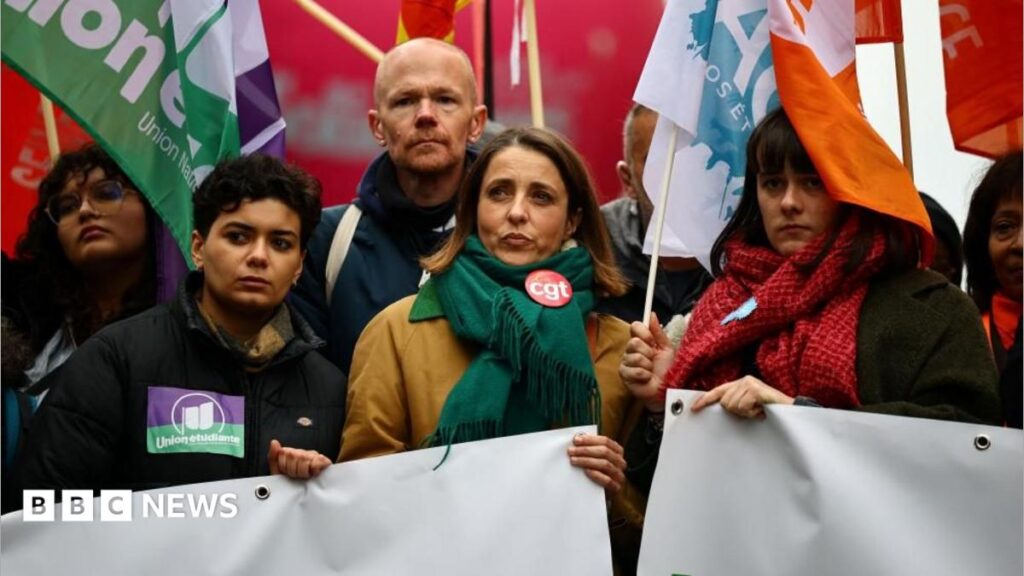
Five of France’s most influential unions – CGT, FO, SUD, CFTC and CFDT – have announced a coordinated national day of action for June 15, 2026. The agenda includes a general strike of public transport, a shutdown of secondary schools, and demonstrations in major cities such as Paris, Lyon and Marseille. Sources close to the negotiations say the unions are demanding a rollback of the government’s proposed pension‑age increase and a guarantee of a minimum 3% real‑wage rise for public‑sector employees.
The government, led by President Emmanuel Macron, has warned that any disruption to the transport network could cost the economy up to €2 billion in lost productivity, according to a Treasury briefing. In response, the Ministry of Labour has offered a limited concession on overtime pay, but has stopped short of meeting the unions’ core demands, setting the stage for a potentially volatile standoff.
Why it matters beyond France: economic ripple effects
France remains the Eurozone’s second‑largest economy, and a nationwide strike can reverberate across European markets. Analysts at Bloomberg note that a prolonged shutdown of French ports and rail corridors could delay shipments of automotive parts and luxury goods, sectors that employ large numbers of African‑origin workers in the supply chain. A slowdown in French consumer spending also risks curbing demand for African imports such as cocoa, coffee and textiles, which already face price pressures from global supply constraints.
Moreover, the French government’s fiscal outlook is tightly linked to its ability to fund overseas development aid. A dip in tax revenues caused by a strike‑induced slowdown could force Paris to reassess its contribution to the African Union’s Climate‑Resilient Infrastructure Fund, a programme that many West African states rely on for renewable‑energy projects.
African diaspora and French unions: a hidden dimension
Paris hosts one of the largest African diasporas in Europe, with estimates of over 2 million residents tracing roots to the Sahel, North Africa and Sub‑Saharan countries. Many of these communities work in the transport and service sectors that are most likely to be hit by the strike. According to a report by the French Institute of Demographic Studies, roughly 18% of SNCF (national railway) staff are of African descent, meaning a strike could disproportionately affect households that already face higher rates of precarious employment.
The unions have historically tried to court diaspora workers, offering solidarity statements that link French labour rights to anti‑racism struggles. However, critics argue that the current mobilisation lacks concrete measures to protect immigrant workers from wage loss or retaliation. Diaspora organisations, such as the Association des Migrants d’Afrique de l’Ouest, have called for a “social safety net” clause in any eventual agreement, fearing that the strike could deepen existing economic inequalities within their communities.
What could happen next: scenarios and stakes
If the June 15 action proceeds as planned, the immediate fallout will likely be a paralyzation of commuter trains, airport check‑ins and public schools for at least 24‑48 hours. In the short term, businesses will scramble to activate contingency plans, while families grapple with lost wages. In the medium term, a stalemate could push the government to the negotiating table, potentially resulting in a modest pension concession but leaving the broader reform agenda in limbo.
Conversely, a heavy‑handed crackdown – such as the deployment of police forces to keep key infrastructure running – could inflame public opinion and spark further unrest, as seen during the 2023 pension protests. For African‑origin workers, the stakes are both economic and symbolic: a successful negotiation could set a precedent for more inclusive labour policies, while a defeat could reinforce perceptions of marginalisation within French society.
Quick Answers
When is the nationwide French strike scheduled?
The coordinated strike has been announced for June 15, 2026.
Which unions are leading the mobilisation?
Five major unions – CGT, FO, SUD, CFTC and CFDT – are spearheading the action.
How might the strike affect African diaspora workers in France?
Many African‑origin employees work in transport and public services; a shutdown could lead to lost wages and highlight existing economic vulnerabilities.
Source: www.bbc.co.uk




💬 Comments 0