French supermarket fridge hack spoils €5 million food in 300 stores – Oct 2026
Background: A growing cyber‑threat to food retail
In recent years, cybercriminals have turned their attention from traditional IT systems to the physical hardware that keeps perishable goods fresh. Attacks on refrigeration units, point‑of‑sale terminals and warehouse sensors have risen sharply, according to a 2025 report by cybersecurity firm Kaspersky. The motive is simple: disrupt supply chains, force ransom payments, or cause costly waste that can cripple a retailer’s margins.
France’s grocery market, worth roughly €120 billion, is dominated by a handful of large chains that rely on tightly integrated cold‑chain logistics. The same efficiency that keeps shelves stocked also creates a single point of failure – a network of smart fridges that can be remotely accessed and, as the latest incident shows, manipulated.
The hack comes on the heels of other high‑profile supply‑chain attacks, such as the 2023 ransomware strike on a UK supermarket group that temporarily shut down its online ordering platform. Analysts say these incidents signal a shift toward “in‑store” cyber‑warfare, where the target is not just data but the physical goods themselves.
What happened: The overnight fridge sabotage
Late on the night of 12 October, a coordinated intrusion hit the refrigeration systems of more than 300 French supermarkets, according to reports from Le Figaro and L’Équipe. The attackers gained access through a vulnerable firmware update channel used by the manufacturers of the cooling units, then issued commands that raised temperatures inside both fresh‑produce and frozen‑food sections.
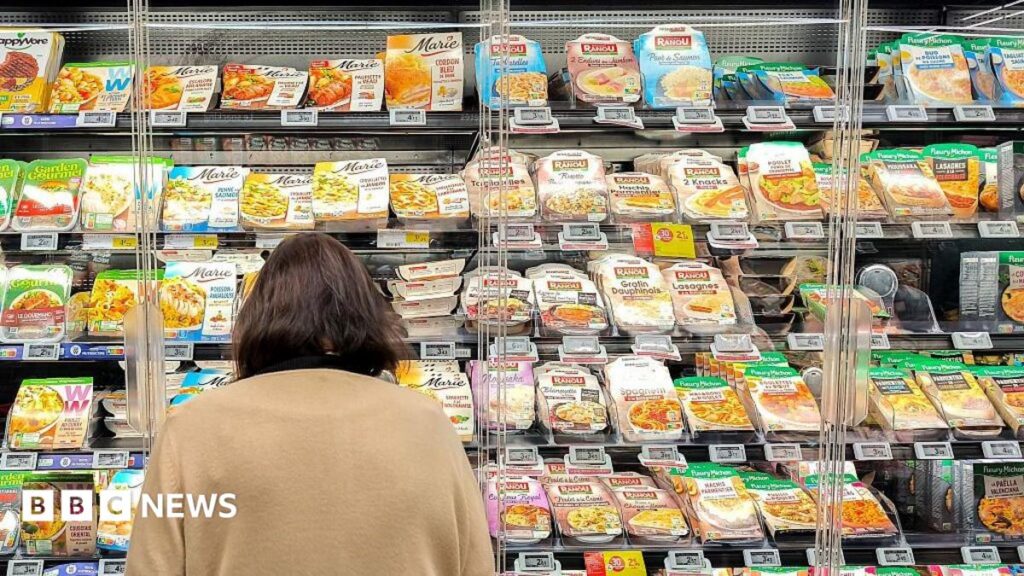
Store managers woke to a cascade of alarms as temperature sensors tripped, and within hours the fridges were either dead or running at unsafe levels. The result was the spoilage of fresh fruits, vegetables, meat, and ready‑to‑eat meals. Preliminary estimates put the value of the lost inventory at around €5 million, a figure confirmed by the French Ministry of Economy’s preliminary assessment.
French police and the national cyber‑crime unit, the ANSSI, have opened an investigation. While the perpetrators have not yet claimed responsibility, sources close to the case say the attack bears hallmarks of a financially motivated ransomware gang that previously targeted European logistics firms.
Immediate economic impact on French retailers
The direct financial hit of €5 million is only the tip of the iceberg for the affected chains. In addition to the cost of discarded stock, supermarkets must bear expenses for emergency repairs, replacement of compromised hardware, and a surge in insurance premiums. Industry analyst Pierre‑Claude Dubois of Bourse Direct estimates that the total cost could exceed €15 million when indirect losses are accounted for.
Consumer confidence took an instant dip, with several stores reporting a 12 percent drop in foot traffic the following day, according to data from the Nielsen retail tracker. Shoppers expressed concerns not just about food safety but also about the reliability of the retailers’ cold‑chain management, a sentiment echoed on social media platforms like Twitter and TikTok.
The incident also forced a temporary halt to promotional campaigns that were scheduled for the end‑of‑month sales period. This timing is critical for French chains, which typically see a 20‑30 percent revenue boost during the October‑November window as consumers stock up for the holiday season.
Why African exporters and diaspora shoppers should care
France is one of the biggest European markets for agricultural products from West and Central Africa. Bananas from Côte d’Ivoire, cocoa beans from Ghana, and fresh fish from Senegal flow through the very refrigeration networks that were compromised. A disruption in French supermarkets can therefore ripple back to African farms that depend on steady, high‑volume orders to sustain their livelihoods.
Exporters told Reuters that the sudden loss of refrigerated shelf‑space may lead to a short‑term contraction in orders. “If French retailers are forced to tighten their inventory buffers, they will order less from our cooperatives for the next few months,” said Amadou Diarra, a senior official at the Ivorian Banana Exporters Association. Such a pullback could shave off up to 5 percent of export revenues for the season, according to a preliminary forecast by the African Development Bank.
The hack also hits the African diaspora living in France, many of whom rely on supermarkets for authentic ingredients that are imported from their home countries. A shortage of chilled African staples—such as fresh plantains, fish, and dairy alternatives—means higher prices and longer wait times, fueling frustration in communities that already feel marginalized by supply‑chain volatility.
What’s next: Strengthening the cold chain and broader policy lessons
French authorities have pledged a rapid overhaul of the security standards governing IoT devices used in food retail. The ANSSI plans to issue mandatory firmware‑verification protocols and to require retailers to segment refrigeration networks from their public Wi‑Fi and POS systems. Industry groups, including the French Retail Federation (FRC), have welcomed the move but warn that full compliance could take several months.
Beyond France, the incident is likely to accelerate a global conversation about cyber‑resilience in the food sector. The United Nations’ Food and Agriculture Organization (FAO) has already scheduled a high‑level forum on “Digital Threats to Food Security” for early 2027, where African ministers are expected to push for support in upgrading cold‑chain infrastructure on the continent.
For African producers, the episode underscores the importance of diversifying export channels and investing in independent cold‑storage facilities that can buffer against downstream disruptions. Regional initiatives like the West African Cold‑Chain Alliance, launched in 2024, may gain renewed urgency as stakeholders seek to protect their market access from cyber‑induced shocks.
Quick Answers
What caused the French supermarket fridge hack?
Hackers exploited a vulnerable firmware‑update channel in the smart refrigeration units, allowing them to raise temperatures and spoil food.
How much food was lost in the attack?
Initial estimates put the value of spoiled fresh and frozen goods at roughly €5 million across more than 300 stores.
Will the attack affect African food exports to France?
Yes; reduced shelf‑space and tighter inventory controls could lower orders for African produce, potentially cutting export revenues by up to 5 percent for the season.
Source: www.bbc.co.uk




💬 Comments 0