Fresh Nepal Floods July 2026 Sweep Homes and Bridges, Threatening Recovery from March Disaster
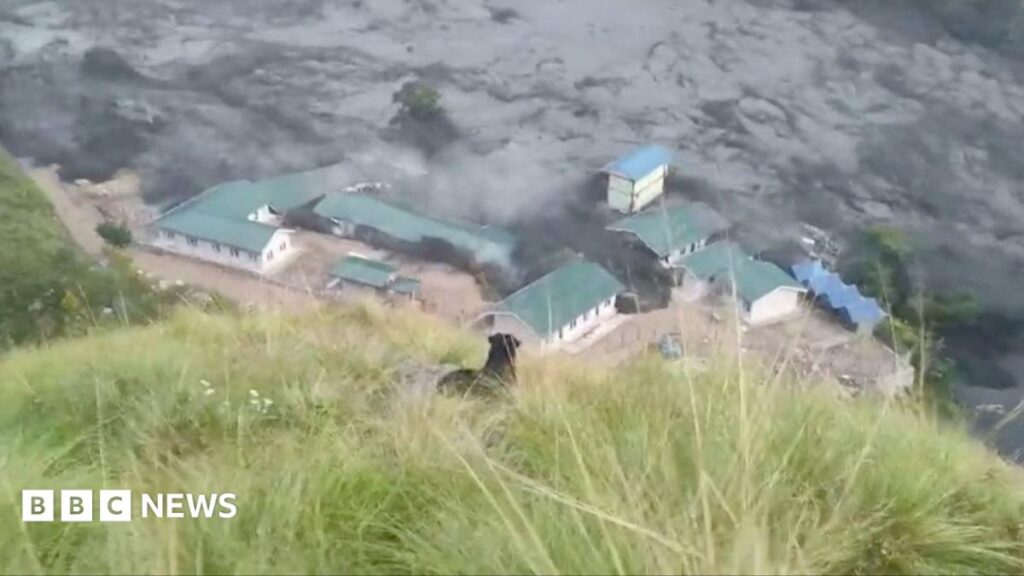
A new wave of devastation hits the Himalayas
On July 10, 2026, torrential monsoon rains slammed the central hills of Nepal, causing flash floods that ripped through villages in the districts of Kaski, Lamjung and Gorkha. Satellite imagery captured rivers breaching their banks, swallowing roads, homes and small bridges within minutes. Local officials reported at least 45 confirmed deaths and dozens more missing, adding to the death toll that already exceeded 1,200 from the March floods earlier this year.
The Ministry of Home Affairs declared a state of emergency in the most affected districts, mobilising army engineers and the Nepalese Red Cross to conduct rescue operations. Survivors described water levels rising as high as 3.5 metres, sweeping away entire families’ possessions and forcing people onto makeshift rafts made from bamboo and tarpaulins. Power outages and communication blackouts hampered coordination, leaving many remote hamlets isolated for days.
While the immediate focus is on rescue, the scale of the damage is already evident. More than 1,200 homes have been reported destroyed or severely damaged, and 27 key rural bridges – vital links for trade and medical access – have collapsed. The loss of these arteries threatens to stall the fragile recovery that began after the March catastrophe.
How this flood differs from the March disaster
The March floods were triggered by an unprecedented cloudburst that caused landslides across the western region, whereas the July event stems from a prolonged monsoon spell that has intensified over the past two weeks. Experts say the July rains were concentrated in a narrower corridor, leading to rapid runoff in steep catchments that have little capacity to absorb water.
Unlike the March event, which primarily devastated low‑lying river valleys, the July floods have hit mid‑altitude settlements that were previously considered relatively safe. This shift exposes a new vulnerability: many villages built on river terraces after the earlier disaster now face renewed risk because reconstruction efforts often ignored updated floodplain maps.
The timing also matters. Agricultural cycles in Nepal are tightly linked to the monsoon; the July floods arrived at the peak of the planting season for rice and maize. Crop loss estimates from the Ministry of Agriculture suggest that up to 15 percent of the upcoming harvest could be compromised, jeopardising food security for an estimated 800,000 people.
Climate change, monsoon volatility and a shared African‑South Asian challenge
Scientists attribute the erratic monsoon behaviour to a warming climate that is reshaping atmospheric circulation patterns across the Indian subcontinent and the Himalayas. A recent report by the Intergovernmental Panel on Climate Change (IPCC) warned that South Asia could see a 20‑30 percent increase in extreme rainfall events by 2050, a trend mirrored in parts of East Africa where similar monsoon spikes have already caused deadly floods.
The parallel is striking for African readers: countries such as Kenya, Uganda and Ethiopia have reported a surge in flash‑flood incidents over the past three years, often linked to the same El Niño‑driven jet stream shifts that influence the South Asian monsoon. This shared exposure underscores the need for trans‑regional knowledge exchange on early‑warning systems and community‑based resilience measures.
Regional climate hubs in Nairobi and Addis Ababa are now collaborating with South Asian counterparts to develop joint modelling tools that can forecast extreme rainfall with greater precision. The Nepal floods serve as a real‑time case study for these initiatives, highlighting gaps in data sharing and the urgency of scaling up adaptive infrastructure.
The Nepali diaspora steps up – remittances and advocacy
Over 2.5 million Nepalis live abroad, many in the Gulf, Malaysia, the United Kingdom and the United States. In the wake of the July floods, diaspora groups have launched rapid‑response fundraisers on platforms such as GoFundMe and local community WhatsApp networks, raising roughly $4.3 million within 48 hours, according to the Nepalese Association of America.
Beyond cash, the diaspora is leveraging political influence to push for faster international aid. Representatives from the Nepali diaspora in the UK have met with British Foreign Office officials, urging the release of additional emergency grants and the deployment of UN‑World Food Programme logistics teams to the hardest‑hit districts.
Remittances, which already account for about 25 percent of Nepal’s GDP, are expected to rise as overseas workers send extra money to support relatives affected by the floods. Economists warn, however, that a prolonged disruption in agricultural output could dampen the long‑term benefits of these inflows, especially if credit markets tighten.
Economic ripple effects across the region
The destruction of rural bridges has immediate consequences for trade between Nepal and its neighbours, particularly India and China. The Tribhuvan Highway, a key supply route to the Chinese border, saw sections washed out, delaying the transport of construction materials and slowing down the Belt and Road Initiative projects that rely on steady cross‑border flow.
Tourism, a major revenue source for Nepal, is also at risk. The monsoon season already deters trekkers, and the recent flood damage to trailhead infrastructure in the Annapurna region could push potential visitors toward alternative destinations such as Bhutan or northern India, cutting into an estimated $1.1 billion in tourism earnings for 2026.
Financial markets in the region are reacting cautiously. The Nepal Stock Exchange (NEPSE) fell 3.2 percent on the day of the flood announcement, reflecting investor anxiety over reconstruction costs and potential loan defaults from agrarian households facing crop failure.
What comes next – rebuilding, policy and preparedness
The government has pledged a $1.2 billion reconstruction package, funded partly by the World Bank and the Asian Development Bank. The plan emphasizes “climate‑smart” rebuilding: elevating homes, reinforcing bridge designs to withstand 1‑in‑100‑year flood events, and integrating early‑warning sirens powered by solar energy.
Civil society groups argue that the package must also address land‑use planning. A coalition of NGOs, including the Himalayan Conservation Trust, is calling for stricter enforcement of zoning laws that currently allow construction on flood‑prone terraces. They cite a 2024 study that found 68 percent of recent landslides occurred on illegally built slopes.
In the longer term, Nepal is expected to adopt the South Asian Flood Early Warning System (SAFEWS), a regional platform that shares real‑time river gauge data across borders. Successful implementation could give communities the minutes they need to evacuate, potentially saving thousands of lives in future events.
Quick Answers
How many people have been affected by the July 2026 floods in Nepal?
Authorities estimate that over 200,000 people have been displaced and more than 1,200 homes have been destroyed or severely damaged.
What is the main cause of the recent floods in Nepal?
The floods were triggered by an intense monsoon spell that produced extreme rainfall over a two‑week period, overwhelming river channels and causing flash floods.
Will the floods impact Nepal's agriculture this year?
Yes, the Ministry of Agriculture warns that up to 15 percent of the upcoming rice and maize harvest could be lost, threatening food security for roughly 800,000 people.
Source: www.bbc.co.uk




💬 Comments 0